
- India,
- 30-Sep-2026 05:35 PM IST



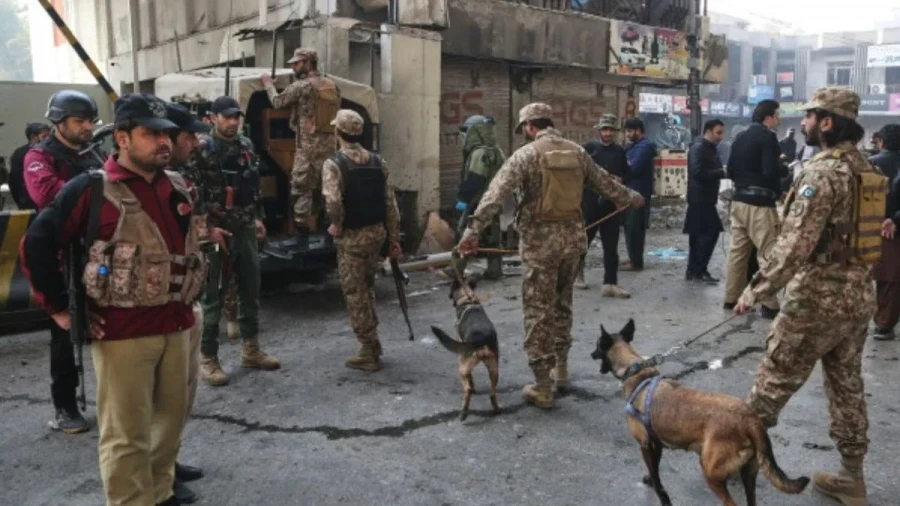
Pakistan is currently grappling with a significant and alarming surge in terrorist activities and violent incidents, leading to a staggering loss of lives among both security forces and civilians. According to the latest data available until September 30 2026, the country has witnessed a sharp escalation in militancy, with over 1098 incidents of terrorism and extremist violence recorded within the first nine months of the year. This surge highlights a deteriorating security situation that has left the nation's defense apparatus under immense pressure and raised serious questions about the effectiveness of current counter-terrorism strategies.
Escalating Violence and Monthly Statistics
The month of September 2026 alone has been particularly brutal, with reports indicating more than 130 separate attacks across various regions of Pakistan. These incidents have not only targeted the general populace but have also inflicted heavy casualties on the Pakistani security forces. The frequency and intensity of these attacks suggest a coordinated effort by militant groups to destabilize the internal security framework of the country. The data reflects a grim reality where the state is struggling to contain the spread of violence that has now permeated multiple provinces and sensitive zones.
Casualty Figures and Impact on Security Forces
According to statistics provided by Pakistan Security Watch, the period between January 1 and September 30 2026 has seen more than 700 civilian deaths resulting from terrorist attacks and other violent incidents. This figure also includes individuals killed during operations by Pakistani security forces in Pakistan Occupied Kashmir (PoK). However, the most striking aspect of the report is the heavy toll on the security establishment. It's claimed that more than 1080 soldiers and personnel of the Pakistani security forces have been killed during this nine-month period. This high number of casualties among trained personnel indicates the lethal nature of the ongoing conflict and the vulnerability of security installations.
Targeted Regions and Specific Attacks
The report highlights that security forces and police units are being consistently targeted in various parts of Pakistan, while specific mentions have been made of attacks in the Budh Ber area of Peshawar, specifically targeting the CTD police station. Other regions that have faced significant violence include Dera Bugti, Darazinda in Dera Ismail Khan, Turbat, Kurram, Hangu, and the police lines in Kohat. These targeted strikes on police and counter-terrorism facilities demonstrate the audacity of the militant groups and the gaps in the internal security measures meant to protect those on the front lines.
Projections for 2026 and Historical Context
Pakistan Security Watch estimates that if the current trend of attacks continues unabated, the death toll for the Pakistani security establishment could reach between 1600 and 1700 personnel by the end of December 2026. To put this into perspective, the report claims that in 2025, the security establishment lost 1317 personnel. This was described as the year with the highest losses since 1971, making the current trajectory for 2026 even more concerning for the nation's military and political leadership.
Political Fallout and the White Paper
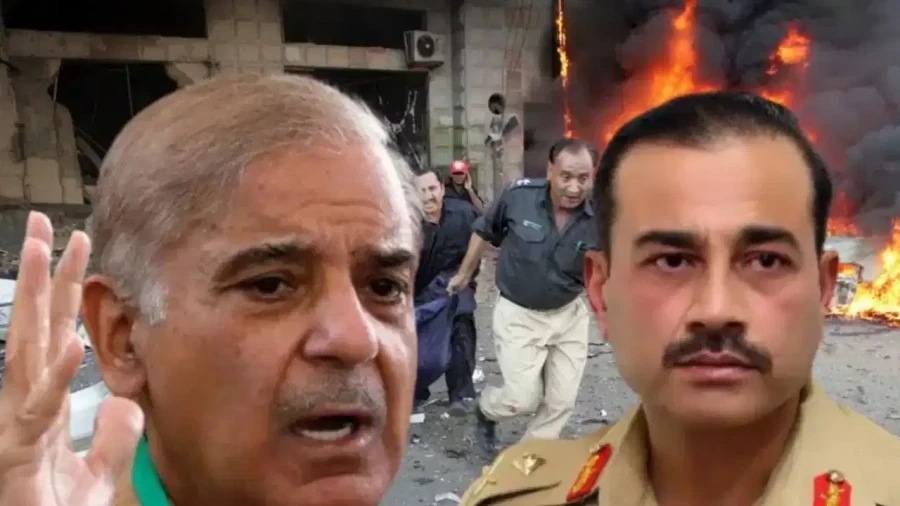
The deteriorating security situation has also triggered a political storm. The ruling PML-N party has issued a White Paper on the Security Situation in Khyber Pakhtunkhwa, specifically targeting the PTI-led provincial government. The document, presented by Ikhtiar Wali Khan, the Information Coordinator for the Prime Minister on Khyber Pakhtunkhwa affairs, levels serious allegations of mismanagement and negligence against the provincial government headed by Chief Minister Sohail Afridi. The White Paper questions the rising number of terrorist incidents and the deaths of police officers in the province, suggesting that the local administration has failed to prioritize security.
Institutional Deficiencies and Funding Concerns
The White Paper further elaborates on the lack of resources for the Counter Terrorism Department (CTD) in Khyber Pakhtunkhwa. It states that the CTD doesn't have an adequate number of employees or the necessary modern equipment to effectively combat the growing threat. Also, the document raises concerns regarding the delays in coordination between various security agencies and demands transparency regarding the funds spent on anti-terrorism operations. The PML-N also highlighted the failure to curb the drug trade in the province and the continuous attacks on security institutions, seeking answers on the actual results of the money being spent on security policies. While these allegations are part of a political document and await independent verification or a response from the PTI, they underscore the deep-seated challenges facing Pakistan's internal security architecture.