
- India,
- 09-Sep-2026 12:16 PM IST



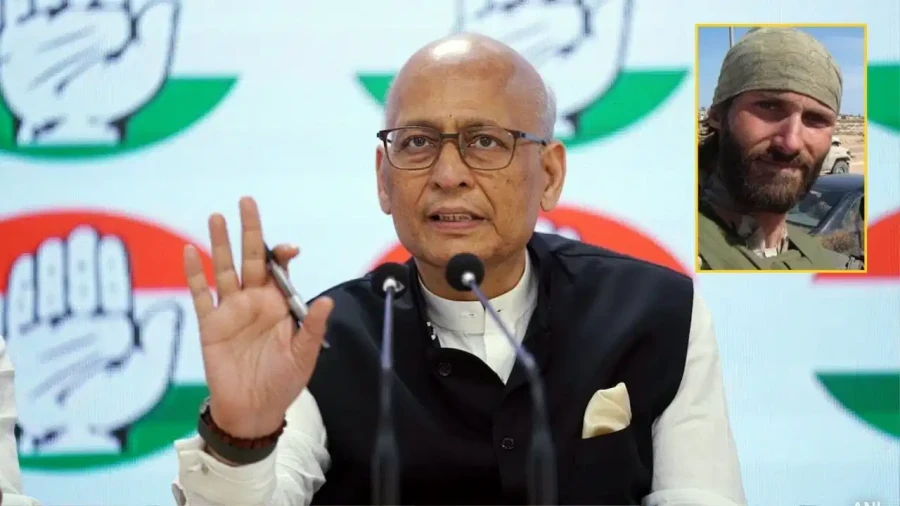
The National Investigation Agency (NIA) has submitted a formal chargesheet against American national Matthew VanDyke in Delhi's Rouse Avenue Court on Tuesday. This legal development has sparked a significant political controversy because the NIA didn't include charges under the Unlawful Activities (Prevention) Act (UAPA) in the chargesheet. This omission is notable because, at the time of his initial arrest, VanDyke was facing extremely serious allegations related to terrorism and national security, which have now seemingly been downgraded in the final investigative report.
Congress Raises Serious Questions Over Dropped Charges
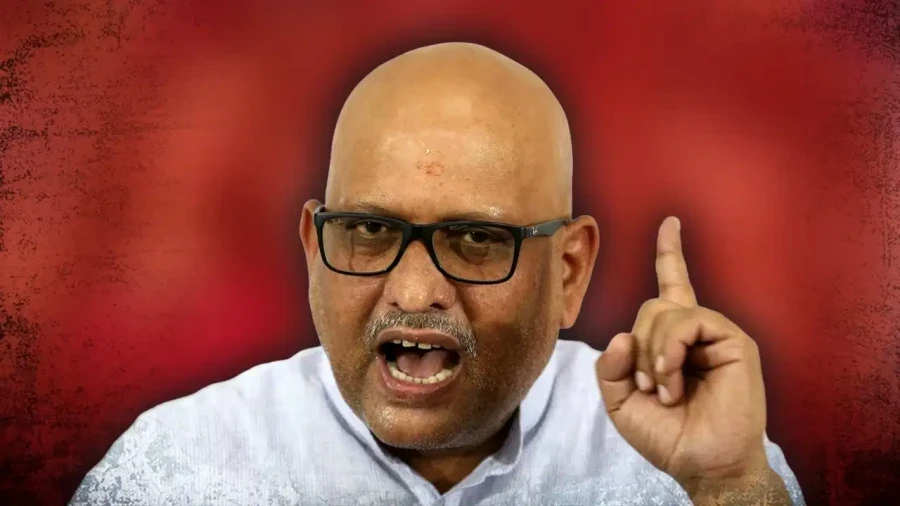
The Congress party has reacted sharply to this development, directing its criticism toward the Modi government. Abhishek Manu Singhvi, a senior leader of the Congress and a Rajya Sabha Member of Parliament, took to social media to express his concerns regarding the handling of this case. Singhvi stated that if the reports are accurate regarding the removal of terror charges against Matthew VanDyke following high-level meetings between India and the United States, then the Modi government owes a clear explanation to the citizens of India. The senior advocate and politician questioned the sudden shift in the nature of the allegations against the foreign national.
Details of the Allegations and Arrest
Abhishek Manu Singhvi further elaborated on the gravity of the initial accusations. He pointed out that the individual was originally arrested on charges of illegal entry into the country, maintaining connections with armed groups, and providing training in drone warfare. Singhvi questioned how such serious allegations could suddenly vanish or be excluded from the UAPA framework. According to the details of the case, Matthew VanDyke was taken into custody earlier this year in March at the Kolkata airport. The investigation also involves Ukrainian citizens who were apprehended at the Delhi and Lucknow airports in related contexts.
The Chargesheet and Legal Proceedings
The NIA filed this chargesheet approximately 6 months after the initial arrest of the accused. The core of the allegations involves a conspiracy to provide military and drone training to rebel groups operating in Myanmar. Initially, the NIA had registered the case against these individuals under Section 18 of the UAPA, which pertains to conspiracy for committing terrorist acts. However, the absence of UAPA in the final chargesheet has raised eyebrows in political circles. The Rouse Avenue Court has taken note of the chargesheet and has scheduled the next hearing for this entire matter on October 1. The court's proceedings are expected to shed more light on the evidence collected during the 6 month investigation period.
Political Implications and Demand for Transparency
The demand for transparency from the Modi government highlights the sensitive nature of cases involving foreign nationals and terrorism charges. Singhvi's remarks suggest a suspicion that diplomatic interventions might have played a role in the legal outcome. The Congress party is seeking a detailed clarification on why the stringent anti-terror law was dropped despite the initial claims of the accused being involved in training armed rebel groups for drone warfare. As the case moves toward the hearing on October 1, the focus remains on the NIA's justification for the charges filed and the government's response to the opposition's allegations of a high-level compromise.