
- India,
- 29-Aug-2026 08:44 AM IST



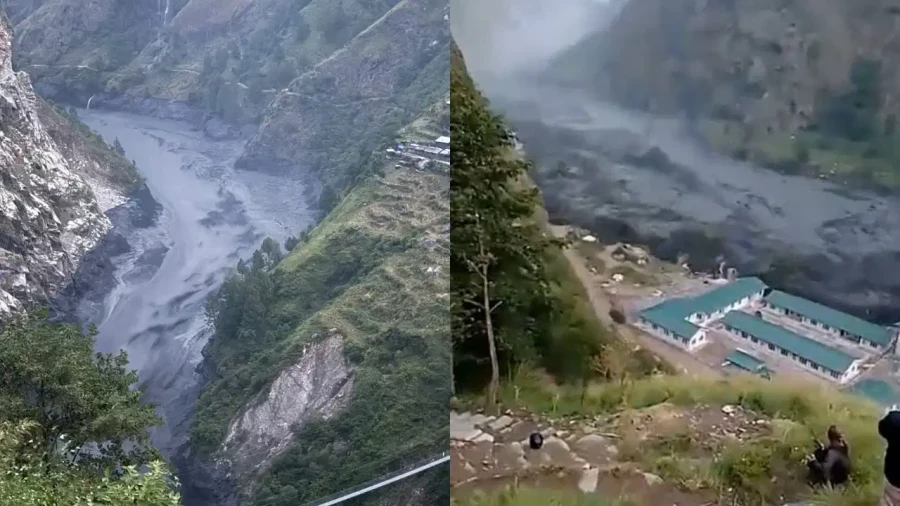
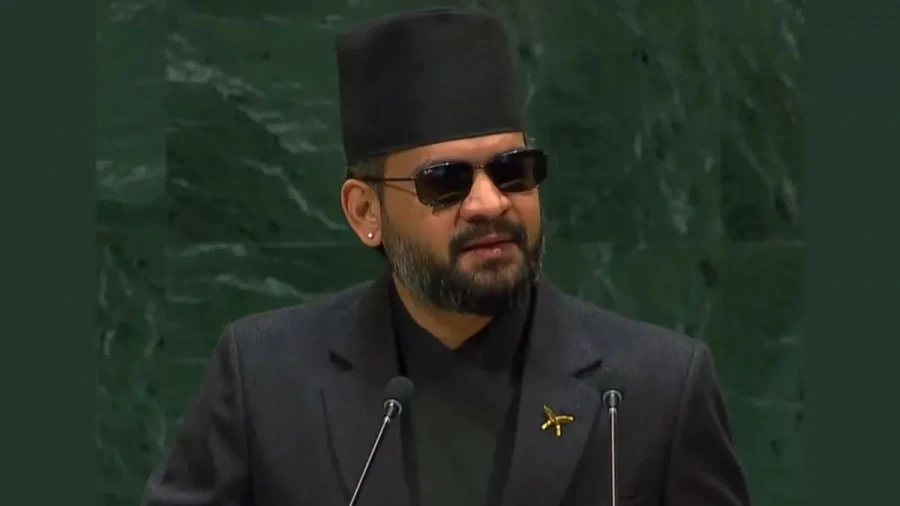
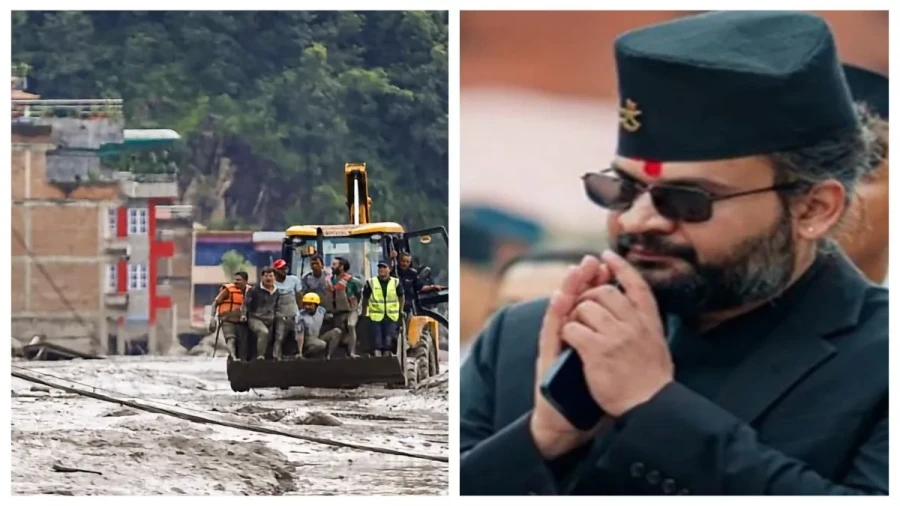
Nepal's Prime Minister Balendra Shah has officially addressed and dismissed the ongoing rumors suggesting that Nepal has rejected foreign assistance during its current crisis. In a detailed statement shared on social media on Friday, the Prime Minister clarified the government's stance on international cooperation and provided a comprehensive update on the extensive rescue and relief operations being carried out across the nation. He emphasized that the reports claiming foreign aid was declined are entirely misleading and don't reflect the ground reality of the government's diplomatic and operational engagements.
Coordination with International Partners
Prime Minister Shah stated that the Government of Nepal is in constant and active coordination with key neighbors, including India and China, as well as other international partners. This coordination is specifically focused on securing necessary support, equipment, and materials required for effective rescue and relief operations, while he further explained that the deployment of resources, particularly helicopters for rescue missions, is being managed with strict adherence to aviation safety protocols, geographical accessibility, and the actual requirements on the ground. The government is ensuring that every piece of aid and every resource is utilized where it's most needed and where it can be safely operated.
Massive Deployment of Security Personnel
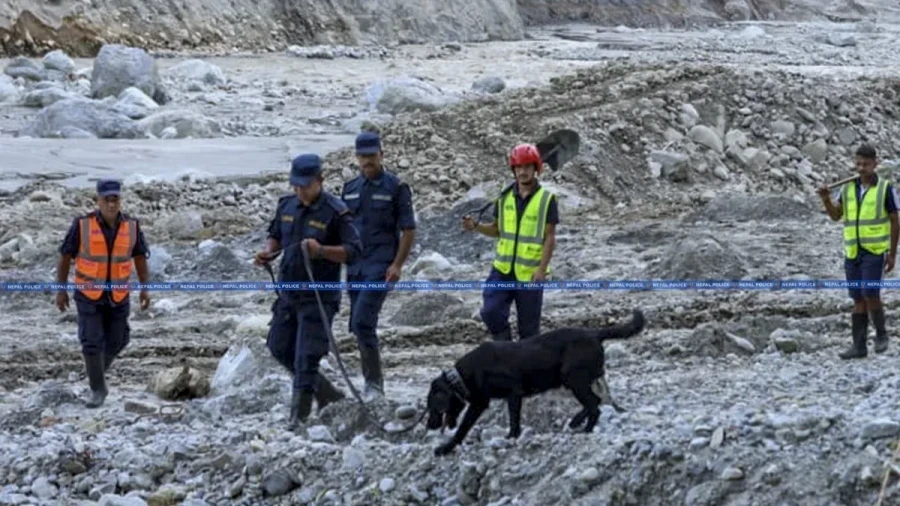
The scale of the rescue operation is immense, with a total of 15,431 security personnel currently deployed in the field. This force includes 4,473 personnel from the Nepal Police, 6,755 from the Nepali Army, and 4,203 from the Armed Police Force Nepal. These teams are concentrated in the most severely affected regions, including Rasuwa and the Bhote Koshi-Trishuli corridor, where they're working tirelessly to locate survivors and provide immediate assistance. To date, the combined efforts of these forces have resulted in the successful rescue of 4,451 individuals. This figure includes 191 people who were rescued from hydroelectric tunnels and 517 individuals who were evacuated during specialized aerial rescue operations conducted on Friday alone.
Aerial and Ground Relief Logistics
The aerial rescue and supply chain have been a critical component of the response. A fleet of 16 helicopters, comprising both Nepali Army and private sector aircraft, has been operating shuttle flights to remote and cut-off areas such as Dhunche, Trishuli, Timure, and Syabrubesi. So far, 99 aerial sorties have been completed. Alongside rescue missions, these helicopters have also delivered relief materials through 6 dedicated flights. On the ground, the logistics network has successfully dispatched 32 trucks loaded with essential food and non-food items to the affected populations. On top of that, vital communication equipment has been transported to these regions to restore connectivity.
Specialized Rescue and Search Operations
A top priority for the government has been the rescue of citizens and workers trapped in tunnels. Specialized search and rescue operations are ongoing at the Upper Trishuli Hydroelectric Project, the Rasuwagadhi Hydroelectric Plant, and other high-risk tunnel sites. Advanced rescue equipment has been deployed to these locations to navigate the complex underground environments. On top of that, the search for missing persons and the recovery of bodies have been extended to the lower coastal areas. Additional security personnel have been stationed along the Trishuli-Narayani river corridor, covering a vast stretch from Rasuwa through Nuwakot, Dhading, Gorkha, Tanahun, Chitwan, and Nawalparasi.
Assistance for Foreign Nationals and Infrastructure Restoration
The government is also paying close attention to the safety of foreign citizens. So far, 129 foreign tourists and nationals have been identified and rescued. The Ministry of Foreign Affairs has established an Emergency Control Room to coordinate with various embassies and the families of those affected. On the infrastructure front, efforts to restore road connectivity are moving at a rapid pace, while the Kathmandu-Muglin road has been opened for one-way traffic, and alternative routes have been activated for small four-wheel vehicles. Notably, Rasuwa has been reconnected to the road network through a series of alternative paths including Kathmandu-Tokha-Chhare-Gadhkhar Bridge-Aapre-Narja-Lachyang-Saramthali-Patikhark-Bogtitar-Kalikasthan-Dhunche. To restore regular heavy traffic, the government has formally initiated a request to India for 10 Bailey bridges, each 48 meters long.
Essential Supplies and Financial Mobilization
In terms of essential services, 4 water tankers have been deployed in Nuwakot, and 900 kilograms of bleaching powder have been sent to ensure safe drinking water. Fuel reserves are being maintained, with 41,000 liters of diesel and 24,000 liters of petrol stored in Nuwakot's Bhairabi, Suryamati, and Panchkanya oil stores, along with 17,000 liters of aviation fuel. For long-term recovery, 15 technical teams are assessing damages to roads, bridges, electricity, and water systems. Financially, the government has released 6 crore 75 lakh Nepalese rupees to 15 local bodies for immediate relief. The Prime Minister's Disaster Relief Fund has seen a surge, with over 1 billion 90 crore Nepalese rupees deposited in the last 36 hours. On top of that, the Prime Minister and all cabinet members have pledged one month's salary to the fund, while prime Minister Shah concluded by congratulating MMA fighter Rabindra Dhant for his victory in 'Road to UFC' and thanked him for highlighting Nepal's situation on the international stage.