
- India,
- 19-Aug-2026 08:23 PM IST



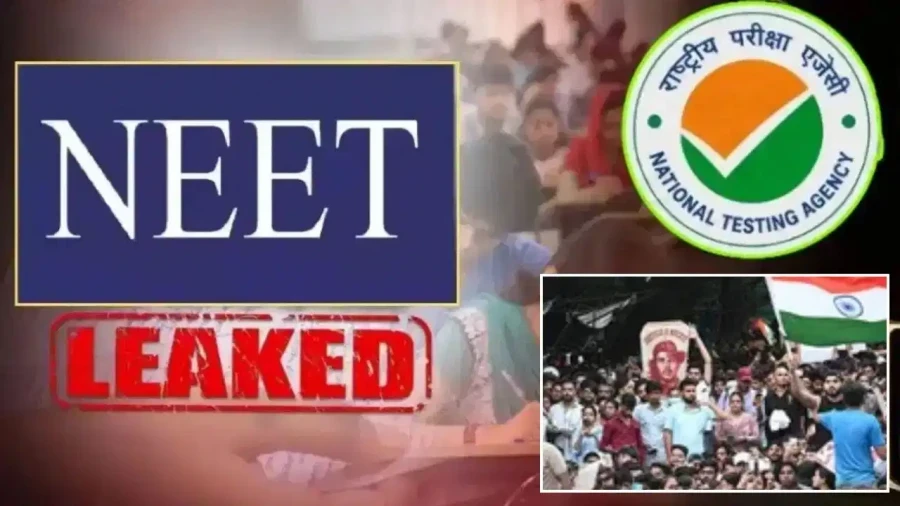
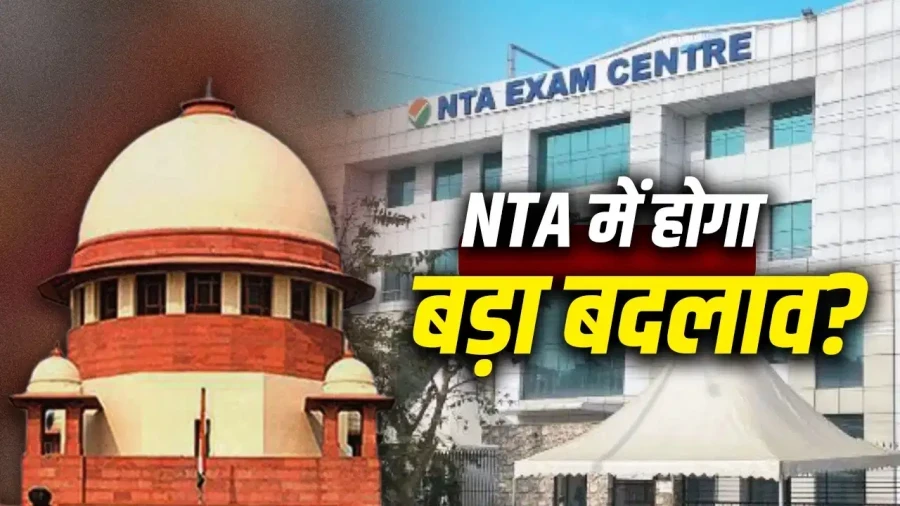
In the wake of the significant controversy surrounding the NEET paper leak, the Supreme Court of India has issued critical observations regarding the functioning and security protocols of the National Testing Agency (NTA). During a hearing held on Wednesday, September 18, the apex court emphasized the urgent necessity to institutionalize the NTA, transforming it into a solid and permanent organization capable of conducting national-level examinations with absolute integrity and transparency.
Supreme Court's Vision for a Permanent NTA
The bench, comprising Justice PS Narasimha and Justice Alok Aradhe, expressed deep concern over the current ad-hoc nature of examination management, while the court observed that merely sealing question papers or increasing surveillance at examination centers is no longer sufficient to tackle modern-day challenges. Instead, a permanent system must be established where experience, technology, cyber security, and accountability are institutionally integrated. The justices highlighted that without a formal institutional structure, experienced officers would continue to be transferred, leading to a loss of institutional knowledge and expertise in conducting complex examinations. The court stressed that the country needs an institution it can trust implicitly.
Defining the Institutionalization of NTA
The Supreme Court outlined what it means to institutionalize the NTA. This process involves creating a permanent and trained manpower pool rather than relying on temporary staff. It includes the establishment of specialized expert units dedicated to examination security and the development of a secure and confidential operational infrastructure. Also, the court emphasized the need for strong cyber security measures and dedicated Research and Development (R&D) in modern technology, while a standardized system for the creation and sealing of question papers is essential, along with an indigenous or sovereign infrastructure for digital data and software to ensure that institutional knowledge isn't lost when officials change.
The Current Examination System Explained
During the hearing, Solicitor General Tushar Mehta, representing the government, detailed the existing system used by the NTA for national exams. He explained that a large question bank is created with the help of various experts, while from this bank, questions are selected at a second level to prepare multiple sets of question papers. The final selection of the question paper occurs at a very limited and highly confidential level. During the printing phase, strict monitoring is maintained through CCTV and security agencies. The papers are then stored in secure boxes, and their transportation is tracked via GPS. Finally, they're kept in the strong rooms of banks, with different sets maintained for the examination and a system in place for selecting the final set just before the exam begins.
Integration of AI and Blockchain Technology
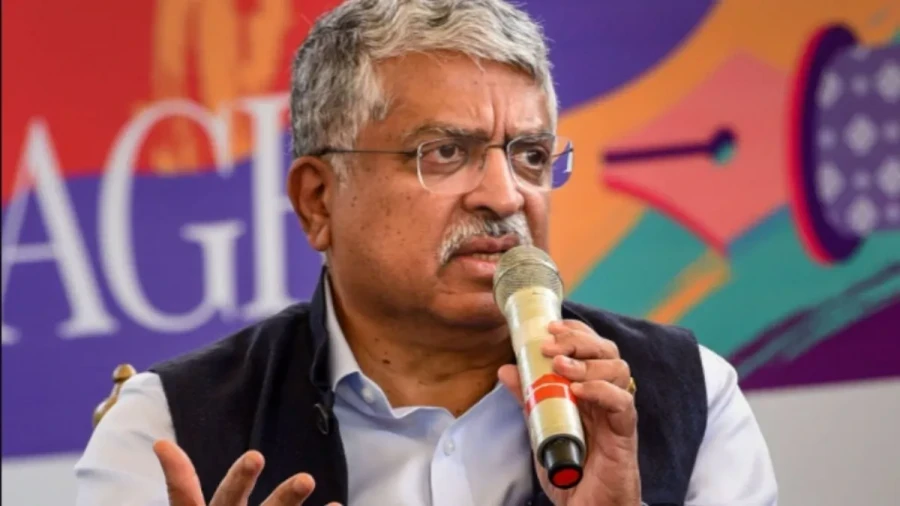
The court was informed that the Nandan Nilekani Committee, formed this year, has suggested the use of Artificial Intelligence (AI) and Blockchain technology to reform the examination process. These technologies aim to strengthen security and monitoring at various stages. Blockchain can be used to track who accessed confidential documents or question papers, and when and where they did so. Meanwhile, AI can help identify unusual activities and potential irregularities during the examination process, providing an extra layer of digital security.
Roles of Radhakrishnan and Nandan Nilekani Committees
Following the NEET-UG 2024 paper leak dispute, the government formed the Radhakrishnan Committee to review the national-level entrance examination system and suggest measures to make them more secure. Simultaneously, the Nandan Nilekani Committee was established to look into comprehensive reforms and the potential use of new technologies for competitive exams scheduled for 2026. The Radhakrishnan Committee suggested limiting the scope of the NTA, emphasizing computer-based tests (CBT), and adopting a multi-modal approach instead of conducting exams on a single day. It also recommended 'Digi Exams' for candidate identification and election-level security at exam centers.
Key Suggestions from the Nandan Nilekani Committee
While the full report of the Nandan Nilekani Committee has not been made public, sources indicate several key suggestions provided to the government. These include the use of AI for identifying irregularities, Blockchain for secure data tracking, and the 'Digi Exam' model for digital verification of candidates. The committee also advocated for the expansion of the CBT model, digital locking of question papers and sensitive data, and the creation of a strong digital infrastructure to protect the system from cyber attacks.
Demands of the Petitioners
Various petitions filed in the Supreme Court have called for major changes in the NTA's structure. The Federation of All India Medical Association (FAIMA) has demanded the restructuring of the NTA or the creation of a new system altogether. Suggestions include digital locking, the CBT model, and the release of center-wise results. Other petitioners have called for the creation of a statutory national examination body with clearer monitoring and accountability, potentially replacing the NTA with an independent examination authority.