

- India,
- 23-Jan-2026 09:00 PM IST
- (Updated 23-Jan-2026 03:35 PM IST)


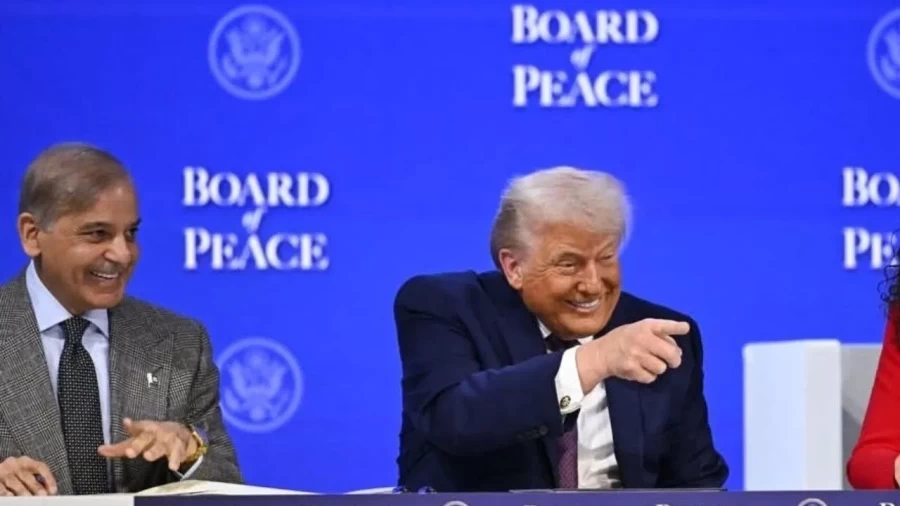
Pakistan has made a historic and controversial U-turn in its foreign policy by joining the US-led Gaza Peace Board. This decision marks a significant departure from the foundational principles laid down by Muhammad Ali Jinnah, who had envisioned a staunchly pro-Palestine stance for the nation. The move by the Shehbaz Sharif government and Army Chief General Asim Munir has sparked intense debate within the country, with many labeling it as a surrender to American interests.
The End of Jinnah's Legacy?
Since its inception, Pakistan has positioned itself as a leader of the Muslim world, especially on the issue of Gaza and Palestine. Jinnah’s clear stance was that Gaza belongs to the Muslims. However, the current administration's decision to join a board led by Donald Trump has been seen as erasing that legacy, while opposition parties have hit the streets, and a video of former PM Imran Khan has gone viral, where he predicted that the current leadership would eventually bow down to US pressure regarding the Gaza conflict.
The Visa Factor and Trump's Influence
One of the primary drivers behind this decision is the fear of immigration restrictions, while the US recently hinted at temporary bans on immigration visas for several countries, including Pakistan. Last year alone, over 10,000 Pakistanis received immigration visas to the US. By joining the Gaza Peace Board, the Pakistani government hopes to appease the Trump administration and ensure that the doors to the US remain open for its citizens, which is a vital safety valve for its struggling economy.
Fear of Regime Instability
The legitimacy of the 2024 elections in Pakistan remains under a cloud of suspicion due to widespread allegations of rigging. The US has a history of using 'democracy' as a tool for intervention, as seen in neighboring regions. With opposition leader Imran Khan actively seeking international support, the Sharif government is terrified of losing Washington's backing. Joining the peace board is seen as a strategic move to secure the current regime's survival by staying in the good books of the White House.
The Saudi and Turkish Connection
Pakistan’s economic survival is heavily tied to investments from Saudi Arabia and diplomatic support from Turkey. Both nations had already signaled their intent to participate in the Gaza Peace Board. Given that Pakistan is negotiating a major military and economic pact with these two countries, it couldn't afford to stand alone, while saudi Arabia’s planned multi-billion dollar investment in Pakistan’s health sector acted as a significant catalyst for this diplomatic alignment.
Balancing China and the Military's Role
The Gaza Peace Board is a US-led initiative that China has pointedly avoided. Had Pakistan declined, it risked being labeled as a complete proxy of Beijing, which would have jeopardized its relations with the West, while Also, the personal rapport between General Asim Munir and Donald Trump played a decisive role. Trump has publicly praised Munir, and the General sees the US as a key partner for future military and economic investments, making the Gaza Peace Board a necessary compromise.
