

- India,
- 10-Mar-2026 09:55 PM IST


The United States has issued a high-level warning regarding a massive military escalation against Iran, signaling a significant shift in regional dynamics. S. is prepared to launch its "most severe" strikes within Iranian territory. According to officials, this decision follows a series of escalations and intelligence reports indicating a need for a decisive military response, while the Pentagon has emphasized that the objective is to neutralize strategic threats and demonstrate overwhelming military force. This development has placed the international community on high alert as tensions in the Middle East reach a critical point.
Details of Military Escalation and Strategic Preparedness
Defense Secretary Pete Hegseth provided specific details regarding the planned operations, stating that the upcoming strikes would involve an unprecedented number of fighter jets and bombers. According to Hegseth, the scale of these attacks will surpass previous military engagements in the region. S. military is utilizing highly advanced intelligence, which is described as more accurate and comprehensive than ever before. S. forces are fully focused on their targets and intend to crush the opposition through a display of technical prowess and military might. The operation is designed to continue until the strategic objectives are decisively met.
President Trump’s Position on Iranian Leadership
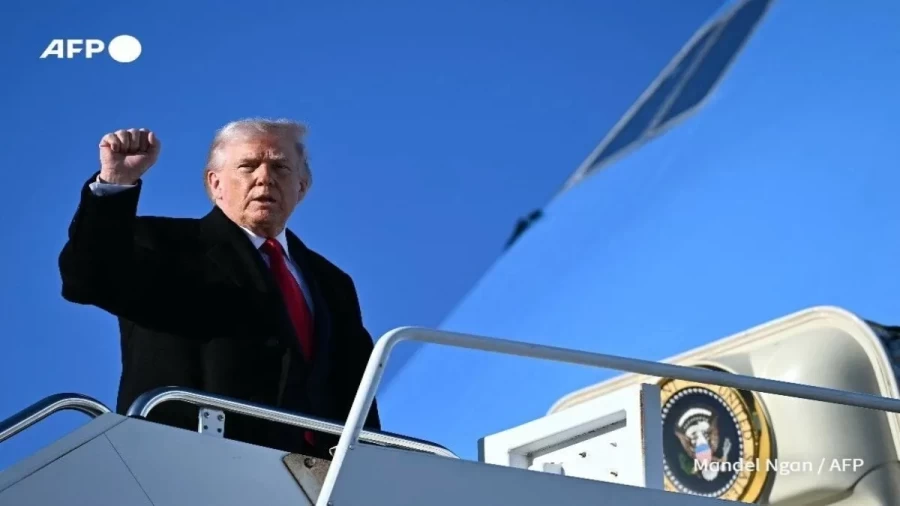
In a recent interview with Fox News, President Donald Trump expressed strong opposition to the leadership transition in Iran. Trump stated that the appointment of Mojtaba Khamenei as the new Supreme Leader isn't acceptable to the United States. He remarked that the new leader would likely face significant challenges in maintaining peace and stability. Trump emphasized his desire for a leadership in Iran that fosters harmony and regional cooperation. S. policy stance that seeks a fundamental change in how the Islamic Republic is governed and how it interacts with the international community.
Objections to the Appointment of Mojtaba Khamenei
S. diplomatic and military concern. In an interview with Axios, President Trump reiterated that the succession is unacceptable. S. should have a perspective on the selection of Iran's leadership, drawing parallels to previous American involvement in other international leadership crises. S. administration views the continuation of the current ideological framework under Mojtaba Khamenei as a barrier to diplomatic progress and regional security, leading to the current hardline military stance.
Intelligence Capabilities and Operational Focus
S. military's warning is the emphasis on superior intelligence and precision. Defense Secretary Hegseth highlighted that the military has identified high-value targets with extreme accuracy. The strategy involves a coordinated effort between various branches of the armed forces to ensure that the strikes are both effective and decisive. Officials have stated that there will be no retreat until the enemy is defeated in a manner that prevents future provocations. S. arsenal, intended to provide a clear message of deterrence to the Iranian leadership.
Broader Geopolitical Implications in the Middle East
S. against Iran carries significant implications for the entire Middle East. , the conflict appears to be entering a more volatile phase. Diplomatic observers note that the current rhetoric from Washington indicates a departure from traditional containment strategies toward more direct intervention. The potential for a large-scale military engagement has raised concerns about global energy markets and regional stability. S. prepares for what it describes as a devastating strike, the international community remains watchful of the potential for a wider regional conflagration that could redefine geopolitical alliances for years to come.
