

- India,
- 10-Mar-2026 09:51 PM IST


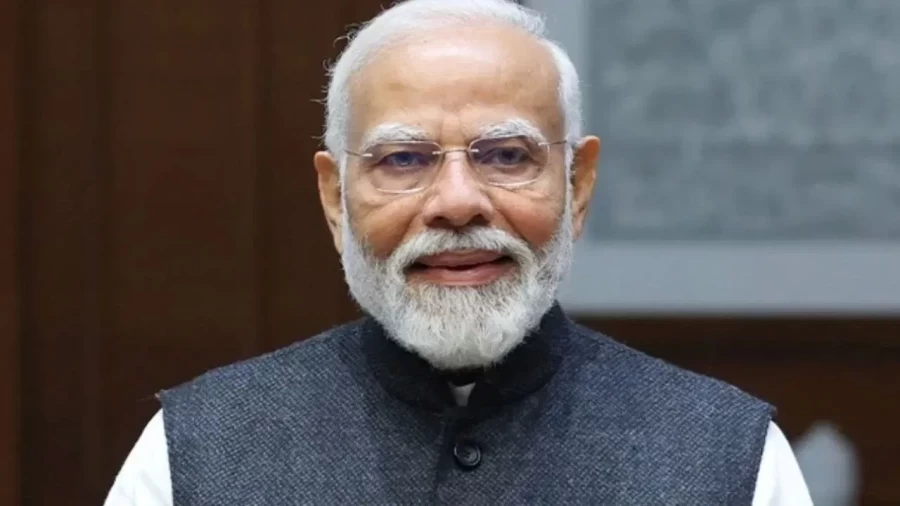
Prime Minister Narendra Modi on Tuesday issued strict directives to his cabinet colleagues regarding the ongoing geopolitical crisis in the Middle East. During a high-level cabinet meeting, the Prime Minister emphasized the need for smooth coordination between various ministries and departments to tackle potential challenges arising from the conflict. He stated that the government's primary focus must be to shield the common man from the adverse effects of the international situation. The Prime Minister called for proactive measures to ensure that the supply of essential commodities remains stable across the country.
Inter-Ministerial Coordination and Strategic Preparedness
According to officials, Prime Minister Modi instructed ministers to ensure that their respective departments work in tandem to monitor the evolving situation in the Middle East. He highlighted the importance of being prepared for any contingency that might affect India's economic interests. The Prime Minister directed that a collective strategy be formulated to mitigate risks related to trade and logistics. The directive underscores the government's intent to maintain internal stability and prevent any panic regarding the availability of resources due to external geopolitical pressures.
Measures for Energy Security and LPG Supply
In response to the energy concerns triggered by the conflict, the government has revised its strategy for crude oil and gas procurement. To address the potential shortage of Liquefied Petroleum Gas (LPG), refineries have been ordered to scale up production immediately. The government has mandated that domestic LPG supply must be prioritized over other segments, while to curb hoarding and black marketing, a 25-day inter-booking rule has been implemented for consumers. Plus, a specialized committee has been established to review LPG demands for non-domestic sectors, ensuring that essential services like hospitals and educational institutions receive supplies on a priority basis.
Major Approvals for Infrastructure and Aviation
Beyond the geopolitical discussions, the cabinet approved several landmark infrastructure projects aimed at boosting national growth. A significant decision was made to grant international status to Madurai Airport in Tamil Nadu, which is expected to enhance global connectivity for the region. 0, continuing the government's commitment to water security. Also, the construction of an elevated road between Jewar and Faridabad was sanctioned, which will Importantly improve the transit between the upcoming international airport and the industrial hub of Haryana.
Expansion of Railway and Highway Networks
The cabinet meeting also focused on strengthening the nation's transport backbone through new railway and highway projects. Approval was granted for the construction of a fourth railway line between Sainthia and Pakur, as well as between Santragachi and Kharagpur. These projects are designed to augment the capacity for both freight and passenger movement in the eastern sector, while Plus, several highway projects in Madhya Pradesh received the green light. According to government spokespersons, these initiatives are part of a broader plan to enhance regional connectivity and stimulate economic development through strong infrastructure.
