

- Pakistan,
- 02-Mar-2026 12:38 PM IST


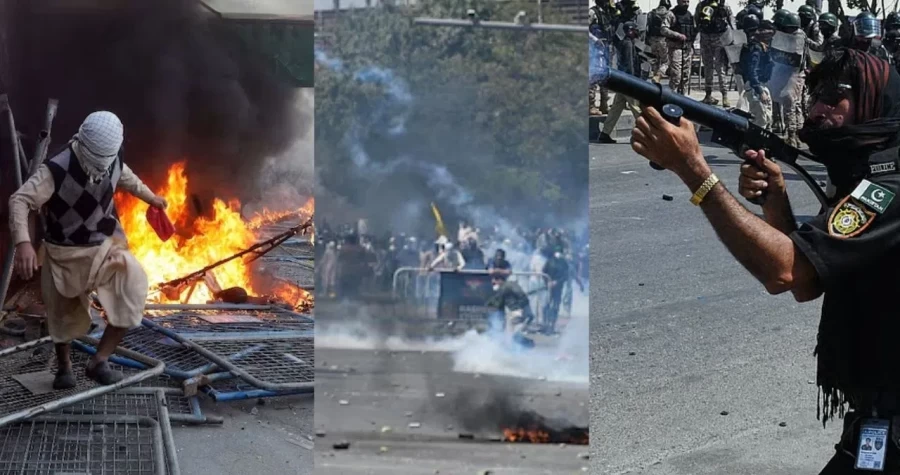
Violent unrest has gripped several major cities in Pakistan following reports of the death of Iranian Supreme Leader Ali Khamenei and recent US-Israeli military actions against Iran. According to local media reports and official sources, at least 35 civilians have been killed and more than 100 others injured in clashes that have spread from Karachi to Pakistan-occupied Kashmir (PoK). The fatalities are believed to have occurred due to gunshot wounds sustained during confrontations between protesters and security forces. While the scale of the violence is significant, the Pakistani government has yet to officially confirm the total death toll.
The protests began as demonstrations against Western involvement in the Middle East but rapidly escalated into violent riots in Shia-dominated neighborhoods. Protesters took to the streets in large numbers, leading to direct physical altercations with law enforcement agencies. The situation remains volatile as authorities attempt to contain the spread of unrest to other sensitive regions of the country.
Regional Breakdown of Casualties and Clashes
According to Pakistani media reports, Karachi has emerged as the epicenter of the violence, with 16 deaths reported in the city alone. The northern regions have also seen significant casualties, with 7 deaths reported in Gilgit and 6 in Skardu. In the national capital, Islamabad, 6 civilians reportedly lost their lives during the unrest. Sources indicate that these casualties occurred during clashes involving security forces and, in some instances, US Marine security detachments stationed at diplomatic facilities. The intensity of the protests has forced local administrations to implement strict movement restrictions in these areas.
Security Response and Hospital Emergency Declarations
In response to the deteriorating security situation, the Punjab provincial government declared a state of emergency in all hospitals late at night. Health departments have been ordered to ensure the availability of trauma care and emergency medical supplies. Similar alerts have been issued by provincial governments in Sindh and Khyber Pakhtunkhwa. Heavy police contingents and paramilitary forces have been deployed in sensitive areas, particularly near religious sites and diplomatic missions, while in several cities, the administration has appealed for calm while increasing patrolling to prevent further escalation of violence.
Allegations of Information Suppression by Authorities
Reports from local sources claim that hospitals in Islamabad and other major cities have been instructed by the administration not to release actual casualty figures to the public or the media. Both government and private healthcare facilities have reportedly received directives to withhold information regarding the number of dead and injured. While initial figures were reported by local media outlets, hospital managements have since become tight-lipped about the situation. Observers suggest that these measures are intended to prevent further provocation and maintain public order amidst the ongoing tension.
US Embassy Issues Security Advisory for Citizens
The US Embassy in Pakistan has issued a formal security advisory for its citizens in light of the ongoing protests in Karachi, Lahore, Peshawar, and Islamabad. The embassy stated that it's closely monitoring reports of demonstrations in front of US consulates and diplomatic missions. American citizens residing in Pakistan have been advised to monitor local news, avoid large gatherings, and maintain a high level of situational awareness. The advisory also urged citizens to keep their Smart Traveler Enrollment Program (STEP) registrations updated and to follow the guidance of local security authorities during this period of instability.
