

- India,
- 27-Feb-2026 05:55 PM IST


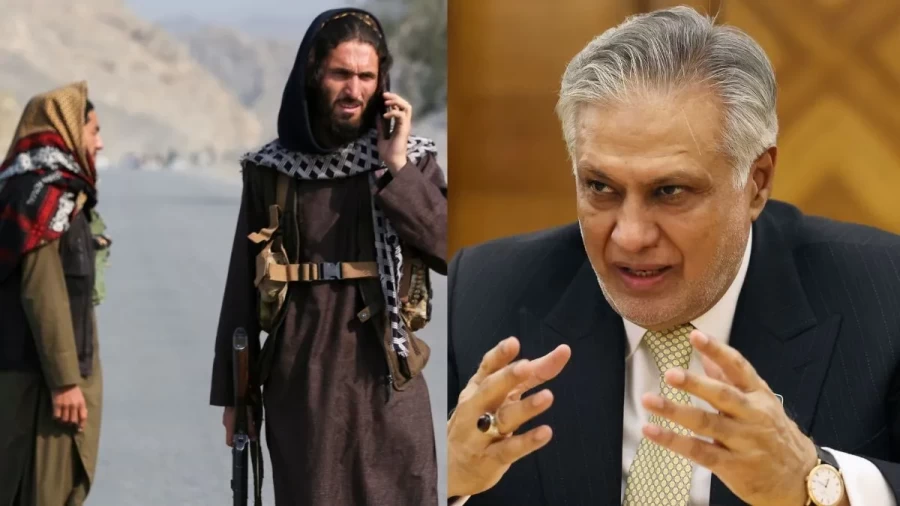
Amidst escalating military tensions on the border between Pakistan and Afghanistan, Pakistan's Deputy Prime Minister and Foreign Minister Mohammad Ishaq Dar held a detailed telephonic conversation with Turkish Foreign Minister Hakan Fidan, while according to official sources, the primary focus of the discussion was the rapidly evolving security situation in the region and the heightened friction with Afghanistan. This diplomatic engagement occurred following reports of airstrikes and ground skirmishes between the two neighboring nations over the past few days.
Diplomatic Engagement with Turkey and Regional Security
According to information shared by Pakistan's Ministry of Foreign Affairs on the social media platform X, Mohammad Ishaq Dar apprised Turkish Foreign Minister Hakan Fidan of recent regional developments. The discussion specifically centered on the current state of affairs between Pakistan and Afghanistan. Both leaders emphasized the critical importance of maintaining peace and stability in the region, while pakistan, viewing Turkey as a key regional partner, presented its perspective on the ongoing security challenges. Officials stated that both ministers agreed to closely monitor the emerging situation and maintain continuous bilateral contact to address regional concerns.
Details of Operation Ghazb lil Haq and Military Actions
During the conversation, Foreign Minister Ishaq Dar clarified that Pakistan's actions were a direct response to alleged aggression from the Afghan side, while he informed his Turkish counterpart that the Pakistan Army has launched 'Operation Ghazb lil Haq' to safeguard the country's sovereignty and territorial integrity. Under this operation, the Pakistan Air Force conducted targeted airstrikes against specific locations within Afghanistan. Pakistan maintains that these strikes were directed at elements attempting to create instability within Pakistani borders, while dar reiterated that Pakistan remains committed to securing its borders and possesses the capability to respond firmly to any external interference.
Claims of Casualties and Infrastructure Damage
Pakistan's Information Minister Attaullah Tarar provided significant data regarding the outcomes of the ongoing military operation. According to official claims, more than 133 Afghan Taliban fighters have been killed, and over 200 have been injured in the Pakistani strikes. Pakistan asserts that defense installations of the Afghan Taliban in Kabul, Paktia, and Kandahar were successfully targeted. Reports indicate that at least 27 outposts belonging to the Afghan Taliban were destroyed, while Pakistani forces claimed control over 9 other posts. Also, the operation reportedly resulted in the destruction of 2 corps headquarters, 3 brigade headquarters, two ammunition depots, and one logistics base.
Afghan Retaliation and Border Tensions
Conversely, Afghanistan has responded to Pakistan's claims with its own set of assertions. Afghan authorities have claimed to have seized approximately 15 Pakistani military posts and conducted retaliatory strikes in the Faizabad region. Reports from the border areas indicate heavy shelling and significant military movements from both sides. The tension between Pakistan and Afghanistan has been exacerbated by long-standing disputes over the Durand Line and allegations regarding cross-border militant activities. Pakistan has frequently accused the proscribed Tehrik-i-Taliban Pakistan (TTP) of using Afghan soil for attacks, a claim that the Afghan administration continues to deny.
Regional Implications and International Context
The intensifying conflict between Pakistan and Afghanistan has heightened security concerns across South Asia. Pakistan's dialogue with Turkey is seen as an effort to garner international understanding and justify its military actions on the global stage. While diplomatic efforts are underway to de-escalate the situation, the ground reality remains volatile. The displacement of civilians from border areas and the increased military buildup have raised concerns about a potential humanitarian crisis. International observers are closely monitoring whether the situation will escalate further or if diplomatic channels will succeed in containing the hostilities.
