
- India,
- 29-Jun-2026 08:47 AM IST



Pakistan has Notably intensified its military operations along the Afghanistan border following a series of high-profile terror attacks within its territory. On Sunday, the Pakistani military conducted a large-scale operation near the border, which resulted in the deaths of 30 individuals. According to reports from the Pakistani newspaper Dawn, this military action was a direct response to the escalating frequency of terrorist activities across the country, while information Minister Attaullah Tarar confirmed that the security forces executed a well-planned strategy involving both ground operations and aerial strikes in the border regions, based on specific intelligence inputs regarding militant movements.
Retaliation for Karachi Rangers Headquarters Attack
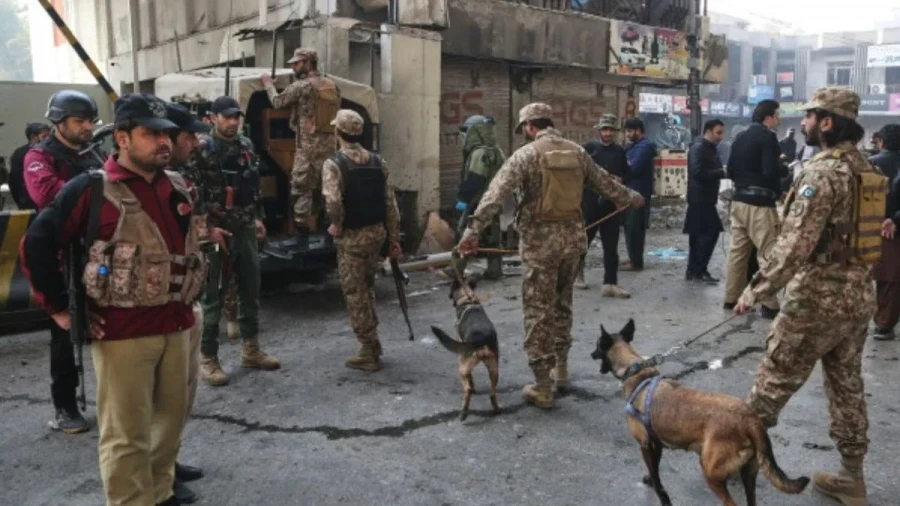
The Information Minister explained that the military action was necessitated by recent attacks targeting security installations in Khyber Pakhtunkhwa, Balochistan, and specifically the Pakistan Rangers camp in Karachi. On Saturday night, a violent assault took place at the Sindh Rangers headquarters located in the Gulistan-e-Jauhar area of Karachi. Javed Alam Odho, the Sindh Police Chief, provided details of the incident, stating that terrorists attempted to ram a vehicle filled with explosives into the main gate of the facility. This was followed by an intense exchange of gunfire between the attackers and security personnel. While the use of an explosive-laden vehicle was confirmed, initial investigations are still determining whether the explosives actually detonated during the encounter or if the vehicle was stopped before ignition.
Casualties and Security Response
The confrontation at the Karachi headquarters led to the deaths of three Pakistani paramilitary soldiers and three terrorists. Also, one soldier sustained a gunshot wound to his leg and was subsequently rushed to a hospital for medical treatment. In the immediate aftermath of the attack, a massive security cordon was established. Units from the Special Security Unit (SSU), Anti-Terrorist Force (ATF), Pakistan Rangers, and the local police surrounded the entire vicinity to conduct a comprehensive search operation. Rescue 1122 Sindh teams were also deployed to the site to manage relief efforts and provide emergency assistance to those affected by the violence.
Responsibility Claimed by Jamaat-ul-Ahrar
According to reports from Al Jazeera, the responsibility for the Karachi attack has been claimed by Jamaat-ul-Ahrar. This group is recognized as a splinter faction of the Tehreek-e-Taliban Pakistan (TTP). In their statement, the organization asserted that 9 of their militants were involved in the execution of the assault on the Rangers headquarters. This claim has further heightened the security concerns within Pakistan regarding the operational capabilities of such splinter groups and their ability to strike high-security zones.
Root Causes of Border Tensions
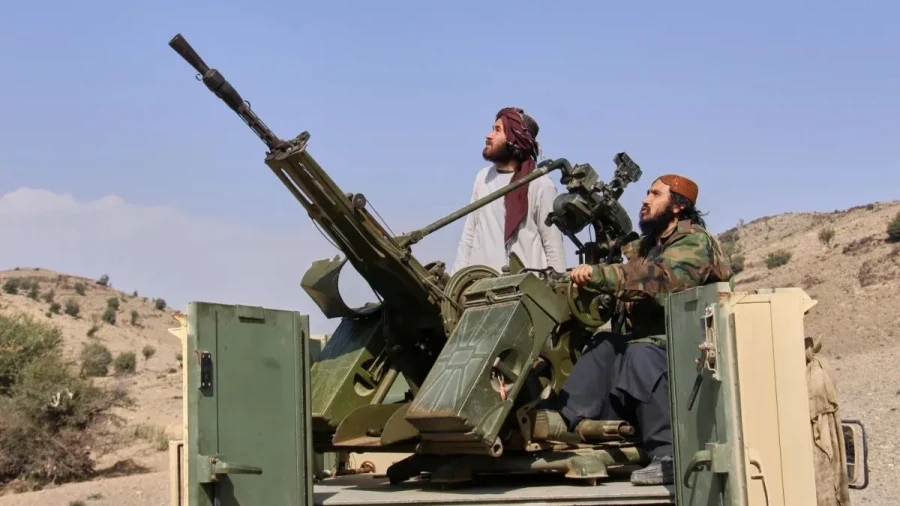
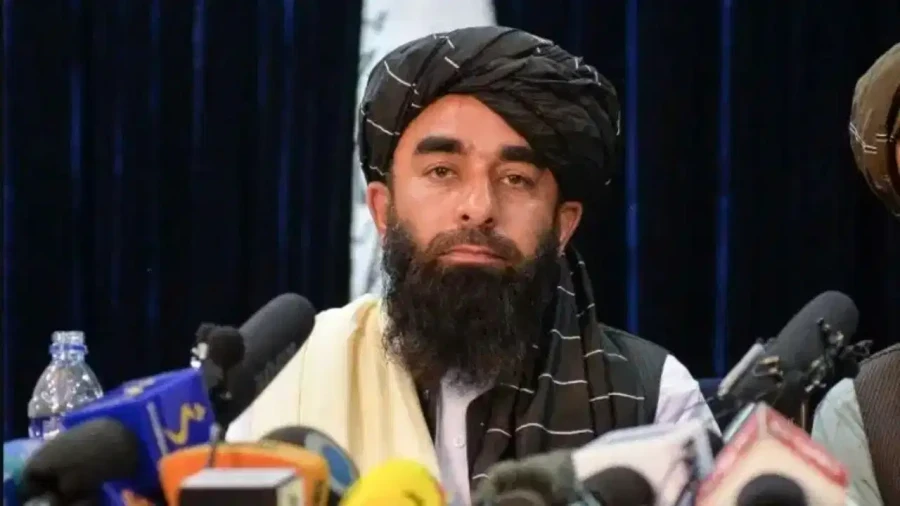
The border between Pakistan and Afghanistan has seen a sharp rise in volatility over the past few years, with frequent attacks on police and security forces, while the Pakistani government maintains that these operations are orchestrated by the TTP and its affiliated groups operating from across the border. While the TTP is a distinct entity from the Afghan Taliban, they're widely considered to be ideological allies. Since the Afghan Taliban's return to power in 2021, the friction along the border has escalated Notably. Pakistan asserts its desire for regional peace but emphasizes that it won't compromise on the safety of its citizens. Conversely, Islamabad has repeatedly accused the Afghan Taliban administration of providing sanctuary to TTP militants, a charge that Kabul continues to deny.
Historical Context of Military Strikes
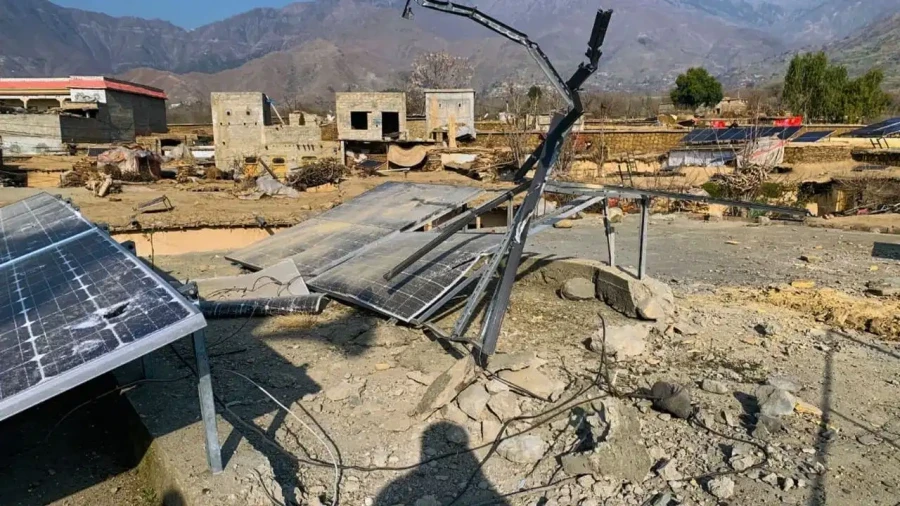
This isn't the first instance of such cross-border military action. On June 10, Afghanistan reported that Pakistan carried out airstrikes in the provinces of Khost, Kunar, and Paktika. Afghan officials claimed that 13 people were killed in those strikes, including 11 children, one woman, and an elderly person. Pakistan, however, denied these specific allegations, stating that its operations didn't target civilian areas. According to the Pakistani version of events, the strikes were precisely aimed at terrorist hideouts, resulting in the elimination of 26 militants. Since February, both nations have engaged in multiple rounds of retaliatory military actions, leading to hundreds of casualties. Despite several rounds of international peace talks, a permanent ceasefire remains elusive as both sides continue to trade accusations.