

- India,
- 25-Oct-2025 08:45 AM IST


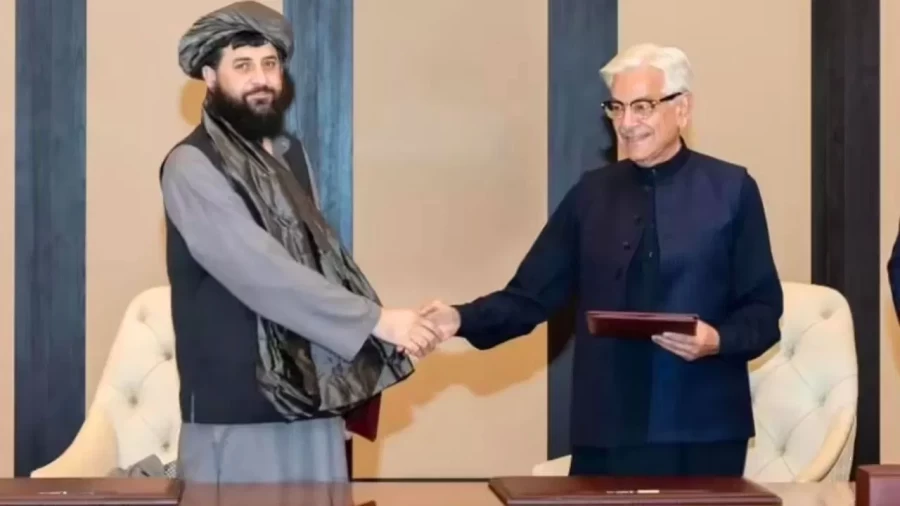
A significant breakthrough has been achieved in the strained relations between Pakistan and Afghanistan, with both nations agreeing to a ceasefire in Qatar's capital, Doha. This agreement comes in the wake of escalating border clashes that have claimed dozens of lives and left hundreds injured, further deepening a bitter security dispute. The successful mediation by Qatar and Turkey has paved the way for a second round of crucial talks, which are now set to take place in Turkey, aiming for a more lasting resolution.
The border region between Pakistan and Afghanistan has been a hotbed of tension for an extended period, with both countries accusing each other of cross-border aggression. Pakistan has consistently alleged that Afghanistan's Taliban rulers are turning a blind eye to armed groups operating from their territory and launching attacks into Pakistan. Conversely, the Afghan Taliban government vehemently denies these accusations, stating they're committed to not allowing their soil to be used against any other country, while this contentious security dispute has not only led to violence but has also severely impacted economic activities, with border transit and trade coming to a standstill, costing businesses millions daily.
Doha Mediation and Key Agreements
The ceasefire agreement was a result of intensive mediation efforts by Qatar and Turkey, which successfully brought a halt to the immediate hostilities, while the truce has largely held, providing a much-needed window for dialogue. Following the first round of talks in Doha, Pakistani Defence Minister Khawaja Asif stated that a ceasefire agreement had been reached, and terrorist activities originating from Afghanistan into Pakistan would cease immediately. He emphasized that both neighboring countries would respect each other's. Territory and sovereignty, a critical foundation for any future peace efforts.
Afghan Stance and Preparations for Turkey Talks
Zabihullah Mujahid, the chief spokesman for the Taliban government in Afghanistan, also confirmed the positive outcome of the initial discussions. He highlighted that an agreement was reached between Pakistan and. Afghanistan not to attack each other's military bases and residential areas. Mujahid clarified that his previous statement regarding not supporting organizations attacking Pakistan wasn't part of a formal or joint declaration but rather a long-standing position of the Afghan Taliban government. The core agreement in Doha, he reiterated, was a mutual commitment to refrain from any actions against each other, while for the upcoming talks in Istanbul, Afghanistan's delegation will be led by Deputy Interior Minister Haji Najib, while Pakistan has not yet disclosed the members of its delegation.
Economic Repercussions and Future Challenges
The ongoing border conflict has had severe economic repercussions for both nations. The Afghanistan Chamber of Commerce and Industry reported that traders were losing millions of dollars daily due to the halt in cross-border transit and trade, while the ceasefire brings hope for the resumption of these vital economic activities, which are crucial for the livelihoods of many on both sides of the border. However, achieving lasting peace will require both parties to rebuild trust and work towards long-term solutions for border management and security. The upcoming talks in Turkey are poised to be a pivotal moment, offering both countries an. Opportunity to address their differences constructively and lay a strong foundation for regional stability and economic cooperation. The international community will be closely watching these developments, hoping for a peaceful resolution that benefits the entire region.
