

- India,
- 10-Feb-2026 10:55 AM IST


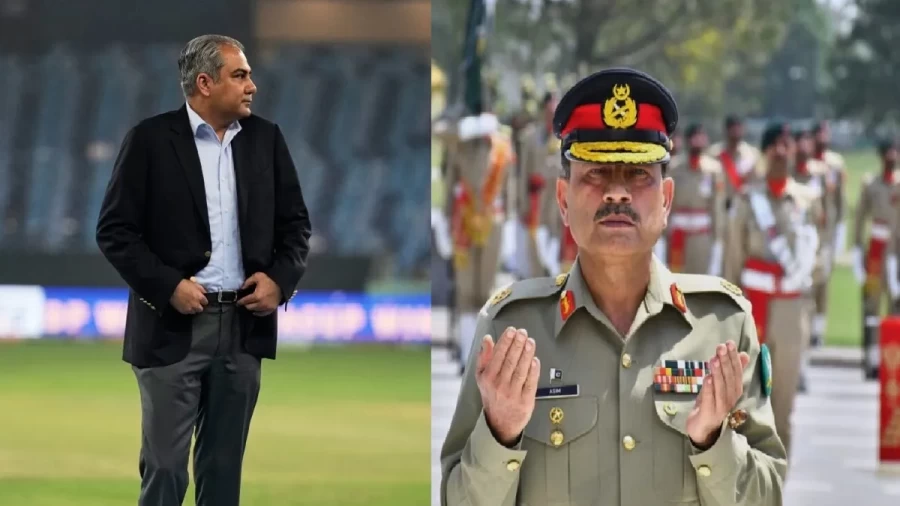
Pakistan Cricket Board (PCB) Chairman and Interior Minister Mohsin Naqvi has sparked a fresh diplomatic row ahead of the high-stakes T20 World Cup encounter between India and Pakistan, scheduled for February 15. During a recent press conference, Naqvi invoked the name of the country's military leadership, signaling a rigid stance despite Pakistan's earlier agreement to participate in the match following weeks of boycott threats.
Naqvi's Statement and the Context of ICC Threats
Addressing the media, Mohsin Naqvi emphasized that Pakistan's decisions regarding international cricket wouldn't be influenced by external pressures, while he stated that neither he, the Pakistani government, nor Field Marshal Syed Asim Munir are deterred by what he described as threats from India or the International Cricket Council (ICC). This statement is seen as an attempt to project national strength at a time when the cricketing world is focused on the resumption of the historic rivalry on the field.
The Rise of Field Marshal Asim Munir
Field Marshal Asim Munir has become a central figure in Pakistan's national narrative following the events of May 2025. After India launched 'Operation Sindoor' targeting terror camps operated by Jaish-e-Mohammed and Lashkar-e-Taiba, a significant military escalation occurred between the two nations, while in the aftermath, the Pakistan government promoted General Munir to the rank of Field Marshal on May 20, 2025. He's only the second individual in Pakistan's history, after Ayub Khan, to hold this rank. His leadership is frequently cited by Pakistani officials as a symbol of national defense and resilience.
Pakistan's Reversal on the Match Boycott
The road to the February 15 match has been marked by significant uncertainty. Initially, the PCB and the Pakistan government had threatened to boycott the fixture, citing various diplomatic and security concerns. However, following high-level discussions led by Prime Minister Shehbaz Sharif with the ICC and cricket boards from Sri Lanka, the UAE, and Bangladesh, the decision was reversed. The government officially stated that the U-turn was made at the request of friendly nations to uphold the spirit of international cricket. The ICC had previously described meetings in Lahore as positive, leading to the confirmation of the match.
Analytical Perspective on Civil-Military Messaging
According to analysts, Naqvi's decision to mention Field Marshal Munir in a cricketing context is a deliberate move to merge sports diplomacy with military posturing. Experts suggest that this rhetoric is aimed at a domestic audience to demonstrate that the civilian government and the military establishment are aligned on matters of national pride. By elevating a sports dispute into a civil-military narrative, the Pakistani leadership appears to be reinforcing its position ahead of the global tournament, while analysts believe this posturing is intended to mitigate the perception of a climbdown after the initial boycott threats.
Conclusion and Match Outlook
As of now, preparations for the India-Pakistan clash on February 15 are proceeding as planned. The ICC has maintained that the tournament schedule remains firm and that all necessary security protocols are in place. While Naqvi's comments have added a layer of political tension to the event, the focus for fans remains on the sporting competition. The Pakistani administration has indicated it will fulfill its international cricketing obligations, even as it continues to use the platform for broader political messaging.
