
- India,
- 01-Jul-2026 08:41 PM IST



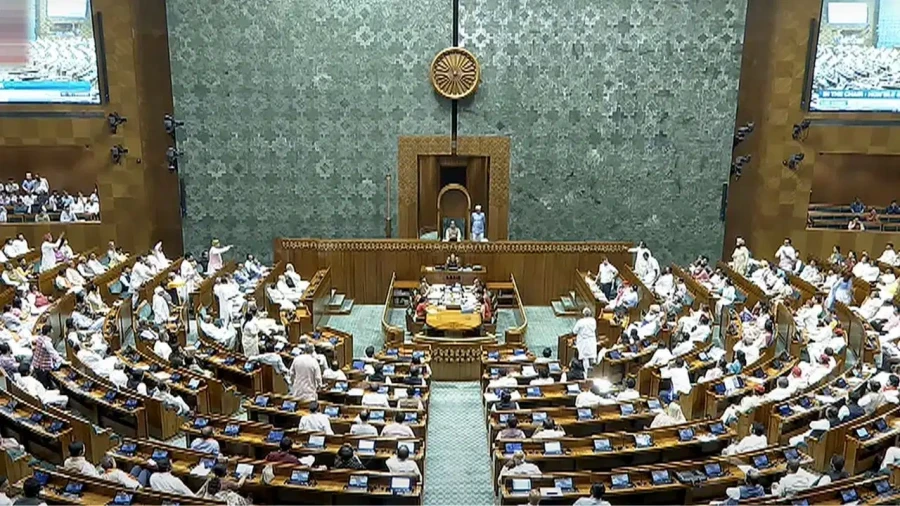
The Joint Parliamentary Committee (JPC) tasked with reviewing the controversial 130th Constitutional Amendment Bill has reportedly decided to retain a significant provision that could alter the political landscape of the country. According to sources, the committee isn't in favor of removing the clause which stipulates that if a Prime Minister, Chief Minister, Union Minister, or State Minister remains in judicial custody for 30 consecutive days following an arrest for a serious crime, they must vacate their office. This development comes as the government prepares to potentially reintroduce the bill during the upcoming Monsoon Session of Parliament, which is expected to commence on July 20.
JPC Report and Key Provisions
The 31 member Joint Parliamentary Committee, headed by Aparajita Sarangi, is expected to approve and submit its final report to the Lok Sabha Speaker on July 17. The core objective of this bill is to ensure that individuals holding high executive offices don't continue in their positions while being detained for grave offenses. The provision states that if a minister is accused of a crime carrying a punishment of 5 years or more and remains in custody for 30 days, they will be relieved of their duties. This removal would be executed by the President or the Governor, or it would happen automatically on the 31st day of detention. While the committee is firm on the 30 day rule, it's considering adding certain safeguards to the report. These measures are intended to prevent the law from being misused for political vendetta or to destabilize a government through false cases and arrests.
Political Context and Opposition Stance
The history of this legislative move dates back to the previous Monsoon Session when Home Minister Amit Shah introduced 3 related bills in both houses of Parliament. Following the introduction, the proposal to send the bills to a JPC was approved. However, the formation and functioning of the committee have seen significant friction, while most members of the opposition INDIA alliance, including the Congress, boycotted the committee. Their primary contention was that the ruling party would ignore their suggestions and use the committee merely as a rubber stamp to gain approval for the bill. Opposition leaders argue that the bill is undemocratic, anti-federalism, and violates the principles of natural justice because it mandates action based on detention rather than a final conviction by a court of law.
Arguments and Committee Members
On the other hand, the ruling side maintains that a 30 day period is sufficient for an individual to file a bail petition at least three times, suggesting that continued detention implies a level of seriousness that warrants removal from office. The JPC includes prominent opposition figures such as Asaduddin Owaisi and Supriya Sule, who are expected to submit dissent notes regarding the report. S Niranjan Reddy, a Rajya Sabha MP from the YSRCP, is also a member of this 31 member panel. The committee may recommend narrowing the definition of the nature of crimes covered under this law to further prevent potential misuse. The final report will be a crucial document as the government looks to push through these changes in the upcoming session of Parliament.