
- India,
- 01-Jul-2026 07:49 PM IST



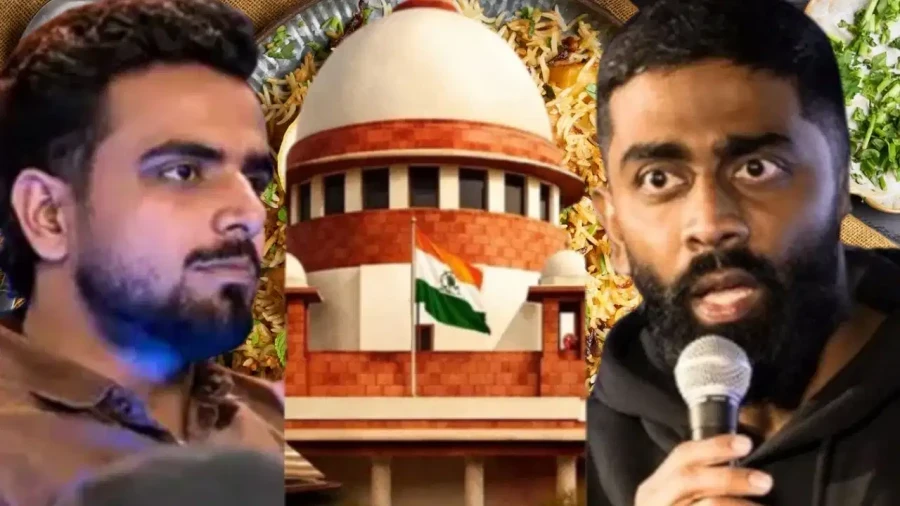
A Public Interest Litigation (PIL) has been moved before the Supreme Court of India, seeking a directive for the establishment of a comprehensive system to regulate all forms of digital content. The petition specifically highlights the controversy surrounding the 370 Rupee Biryani incident, stating that this event underscores the critical need for constitutional safeguards in the modern digital era. The legal move aims to address the unregulated nature of user-generated content across various online platforms and the impact it has on societal values.
Demand for a Comprehensive Regulatory Framework
The petition calls for the creation of a wide-ranging regulatory system that would encompass all types of digital content, including stand-up comedy, podcasts, and live-streaming platforms, while it argues that the current lack of oversight allows for the dissemination of content that may bypass traditional standards of accountability. By bringing user-generated content under a regulatory umbrella, the petitioner seeks to ensure that digital expressions align with the legal and ethical framework of the country, preventing the spread of harmful narratives.
The 370 Rupee Biryani Incident and Constitutional Safeguards
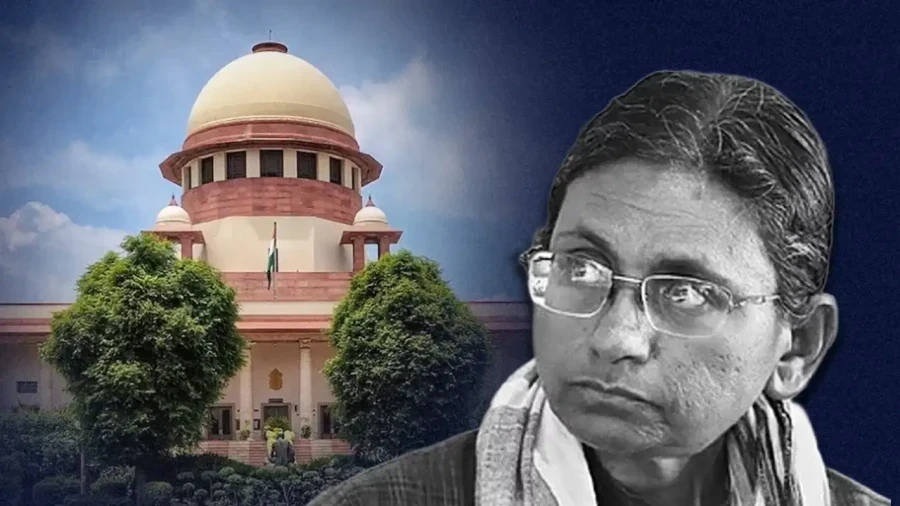
Referencing the 370 Rupee Biryani controversy, the petition asserts that such incidents highlight the necessity of institutional protections. Filed by advocate Vishal Tiwari under Article 32 of the Constitution, the plea clarifies that while no direct legal action should be taken against the comedian or the content creator involved in this specific instance, the event serves as a significant case study. It demonstrates how algorithm-based social media platforms can amplify controversial statements to millions of users, potentially influencing public perception regarding women, consent, and dignity.
The Role of Algorithms and Platform Accountability
The petition emphasizes that the way digital content is spread through complex algorithms requires a corresponding system of accountability. It points out that when controversial or offensive statements go viral, they can have a profound impact on societal values. The legal argument isn't centered on restricting humor, satire, or artistic freedom, but rather on whether institutional safeguards are required in accordance with Articles 14, 19, and 21 of the Constitution when such content reaches a massive audience. The petitioner argues that the viral nature of digital media necessitates a check on how algorithms prioritize engagement over ethical considerations.
Origins of the Controversy
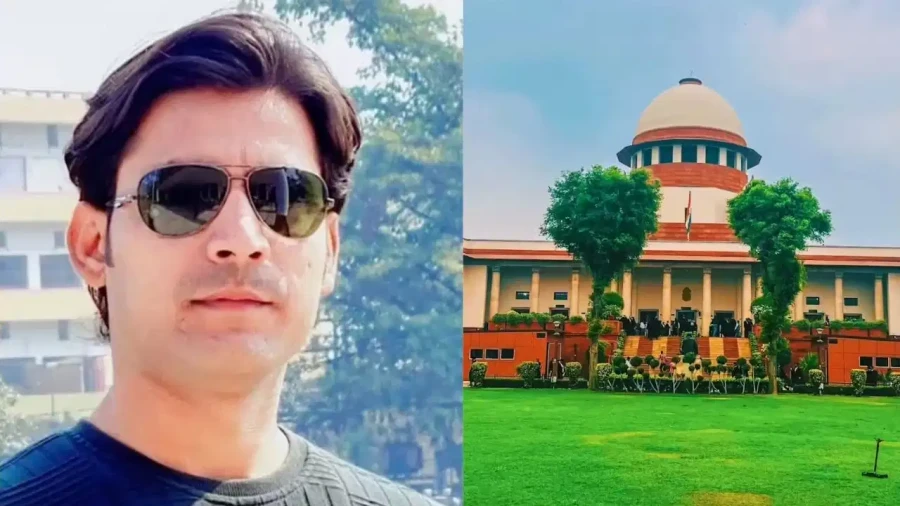
According to the petition, the dispute began during a stand-up comedy show by Praneet More. During the performance, an audience member named Himanshu Jangra from Gurugram shared an anecdote about a date. He claimed that after spending 370 Rupees on biryani for a woman, he felt entitled to "recover" his money, implying a right to sexual favors. A video of this interaction was shared online and quickly went viral, sparking a nationwide debate over the ethics and mindset displayed in the conversation. This specific interaction is cited as a prime example of content that requires regulatory scrutiny.
Proposed Expert Committee for Content Investigation
The PIL further requests the formation of an expert committee to investigate misleading, derogatory, and defamatory content spread across various social media platforms and digital publications. The goal is to create a mechanism that can identify and mitigate the impact of harmful content while maintaining the balance between free speech and the protection of individual rights and dignity as guaranteed by the Constitution. The petition stresses that the digital landscape must evolve to include legal protections that safeguard the dignity of all citizens, particularly in the face of viral misinformation and offensive content.