
- India,
- 21-Aug-2026 08:26 AM IST



A significant and alarming development has emerged from Pakistan-occupied Kashmir (POK), where the Joint Awami Action Committee (JAAC) has officially declared an armed struggle against the Pakistani military establishment. This announcement marks a critical escalation in the ongoing tensions within the region, as the committee has stated that the bullets fired by the Pakistani army will now be met with bullets from the people of POK. The leadership of the Joint Awami Action Committee has made it clear that they're no longer willing to endure the violence and oppression that has characterized the state's response to their grievances.
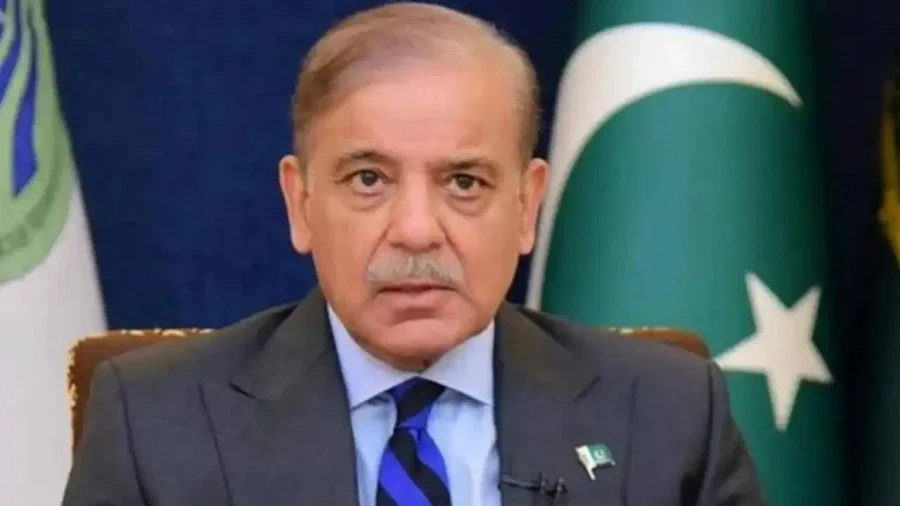
Direct Challenge to Shehbaz Sharif and Asim Munir
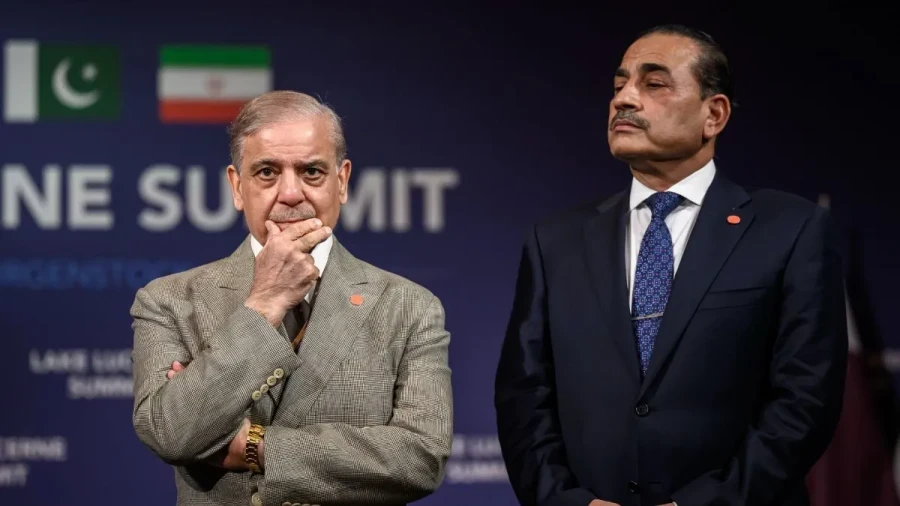
The declaration is a direct challenge to the administration of Prime Minister Shehbaz Sharif and the military leadership under General Asim Munir. The people of POK have sent a stern message to the Pakistani leadership, asserting that if the government and the army choose to communicate through the language of violence and gunfire, the residents of Kashmir are prepared to respond in kind. The committee emphasized that the people of the region aren't weak and have not "worn bangles," a local metaphor indicating their readiness for combat. They've warned that the Pakistani army will now face armed resistance for every act of aggression committed against the civilian population.
71 Days of Protest and Rising Casualties
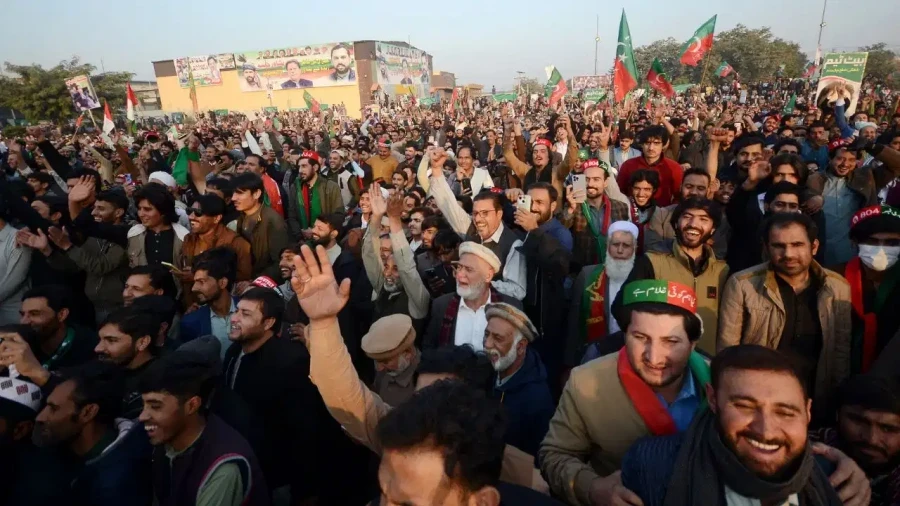
The situation in POK has been volatile for a long time, with protests entering their 71st day. Thousands of people have taken to the streets to demand their rights and protest against the systemic neglect and exploitation by the Pakistani state. However, the response from the Pakistani military has been brutal. Reports indicate that in the ongoing firing and crackdowns by the Pakistani army, more than 100 people have lost their lives. Despite these heavy casualties and the atmosphere of fear, the people of POK remain steadfast and refuse to back down from their demands.
Total Boycott and Threat of Retaliation
The Joint Awami Action Committee, which is leading the protests, has announced a comprehensive boycott of the Pakistani state machinery. They've declared that the people of POK will no longer pay any taxes to the Pakistan government, nor will they pay electricity bills. On top of that, there is a call for the boycott of government schools and offices. The most severe warning issued by the committee is that if General Asim Munir's army continues to fire on innocent civilians, the people will retaliate, and the bodies of Pakistani soldiers will fall in response. This shift from civil disobedience to a threat of armed retaliation signifies a breakdown of the state's authority in the region.
Failure of International Organizations and Courts
The people of POK have expressed deep frustration with both the domestic legal system in Pakistan and international bodies. They stated that the government of Shehbaz Sharif is using the military to commit atrocities against the common people, including the killing of small children and women. According to the protesters, the pain and suffering of the people in POK are ignored by Pakistani courts, and international organizations like the United Nations have failed to speak up for their rights. Consequently, the people have decided that they must fight for their own rights and survival.
Widespread Unrest Across Pakistan
The rebellion in POK isn't an isolated incident but part of a broader pattern of instability across Pakistan. In Balochistan, the situation has already reached a boiling point, with Baloch groups declaring their region an independent country, while similarly, in Khyber Pakhtunkhwa, people have taken up arms against the state. Sindh is also witnessing significant unrest, while the declaration by the POK populace to meet bullets with bullets adds another layer of complexity to Pakistan's internal security. The current state of affairs suggests a nation on the brink of fragmentation, with no clear indication of how many pieces it might eventually break into.
The Irony of Shehbaz Sharif's Statements
While the country faces internal collapse, the Pakistani leadership continues to exhibit what critics describe as a colonial mindset even 79 years after independence. During the independence celebrations, Prime Minister Shehbaz Sharif notably praised former US President Donald Trump. Sharif thanked Trump for his role in facilitating a ceasefire between India and Pakistan last year, claiming it saved millions of lives. He expressed hope that the relationship between the United States and Pakistan would continue to strengthen in the future, highlighting a perceived reliance on external powers even as internal regions like POK, Balochistan, and Khyber Pakhtunkhwa spiral out of control.