
- India,
- 20-Sep-2026 02:39 PM IST



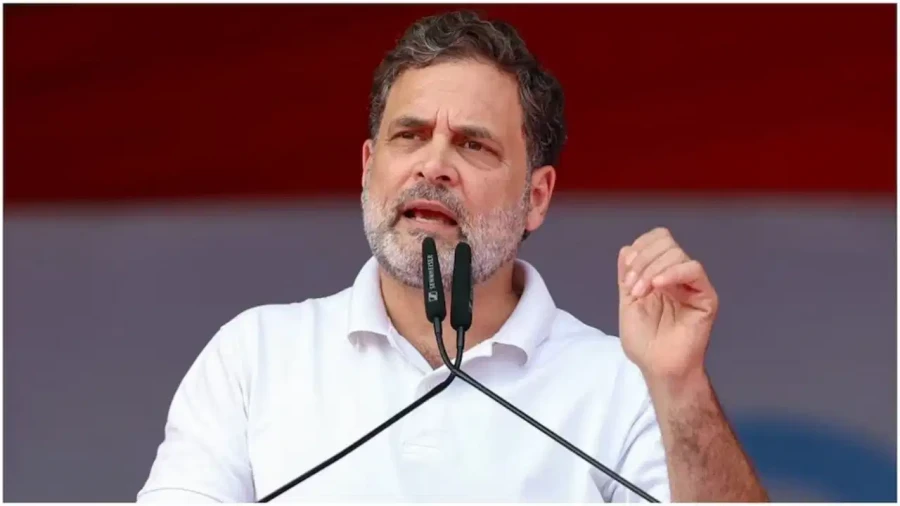
Rahul Gandhi, the Leader of the Opposition in the Lok Sabha and a prominent Congress MP, has launched a scathing attack on the central government regarding the expenditure on lighting lamps across the country to celebrate Prime Minister Narendra Modi's birthday. Linking this expenditure to the fundamental needs of students, Gandhi raised sharp questions about the government's priorities. He alleged that while the government has ample funds to spend on ceremonial lamps, it lacks the necessary financial resources to provide basic infrastructure and support for students coming from rural areas.
The Question from Indore: A Student's Struggle
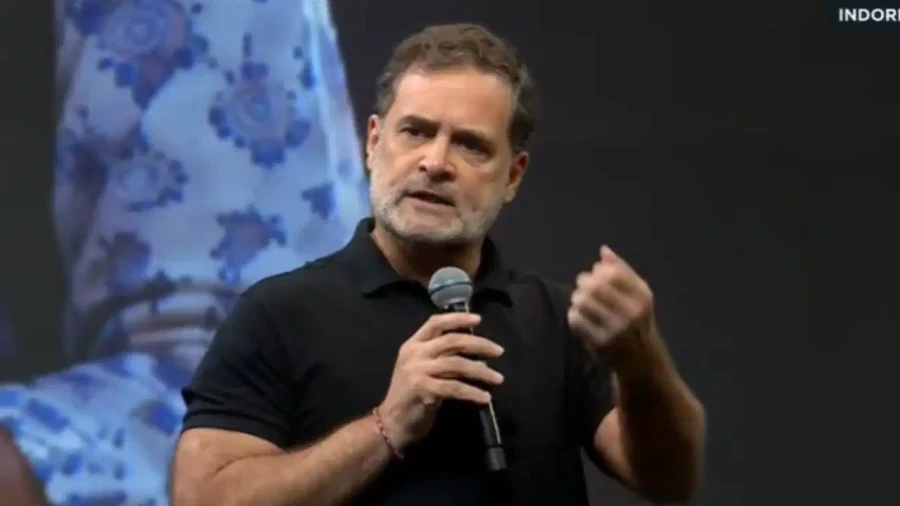
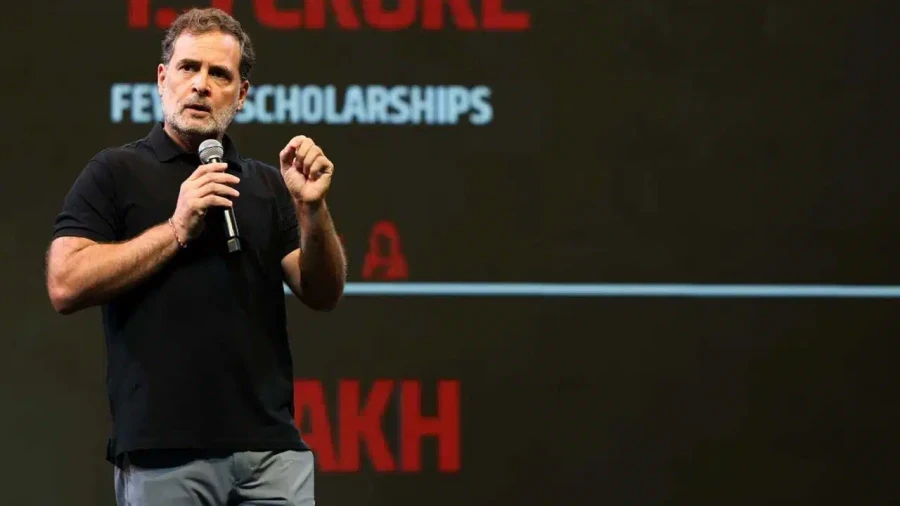
On Sunday, 20 September, Rahul Gandhi shared a post on social media where he recounted a specific interaction from his 'Chhatron Ki Goonj' (Students' Echo) program held in Indore. During this event, a female student raised a poignant question that highlighted the systemic barriers faced by women moving from villages to cities for higher education. Gandhi quoted the student in his post, stating that she asked why the government has money for lighting lamps but not for their hostels. The student explained that since there are no government hostels available, she's forced to live in private PG accommodations. This transition from a village to a city for education becomes a massive financial burden, with millions being spent just to ensure a safe place to stay.
Housing Insecurity and Educational Dropouts
Rahul Gandhi further elaborated on the plight of these students, noting that the constant worry about monthly rent and the fear of becoming homeless severely impacts their ability to focus on their studies. He highlighted a grim reality where many female students are forced to abandon their education midway due to concerns regarding housing and safety. He pointed out that the lack of adequate residential facilities is a primary reason for this dropout rate. Plus, he criticized the housing allowances provided by the government, stating that they don't increase in proportion to inflation and are often lost to corruption, while gandhi directly addressed Prime Minister Modi, asking if he had any answer to the question raised by that young girl.
Systemic Capture and Institutional Failures
The critique extended beyond housing to the broader functioning of the national system. ' He claimed that a network of political, administrative, ideological, and business interests has taken control of several key institutions in India. To illustrate his point, he cited issues such as examination paper leaks, the functioning of institutional bodies, the role of private players in the economy, and the appointment of Jay Shah, son of Amit Shah, in cricket administration. Gandhi mentioned that students are asking how the son of Amit Shah became the chairman of a cricket association and how two specific individuals have managed to capture the entire business landscape of India.
The Contrast Between a Student and an 'Andhbhakt'
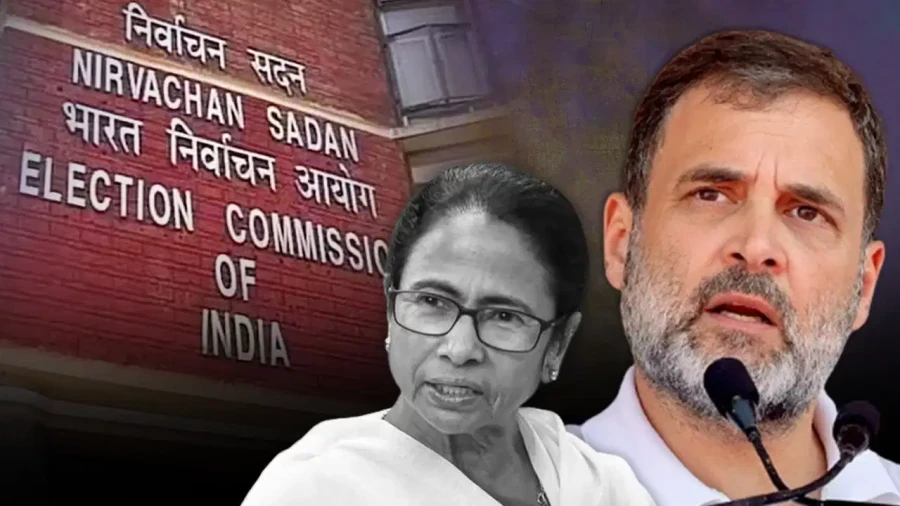
In a sharp philosophical distinction, Rahul Gandhi discussed the role of a student versus what he termed an 'Andhbhakt' (blind follower), while he stated that the system doesn't want inquisitive students but rather desires blind followers who don't ask questions. According to Gandhi, a person who doesn't ask questions isn't fulfilling the role of a student. He defined a student as someone who raises their voice and remains curious, whereas an 'Andhbhakt' lives in a world of their own delusions. He further characterized students as fearless individuals, while describing blind followers as cowards. He emphasized that the failure of institutions like the judiciary and the Election Commission to perform their duties is a direct result of this systemic capture that students must challenge.