

- India,
- 08-Nov-2025 12:05 AM IST


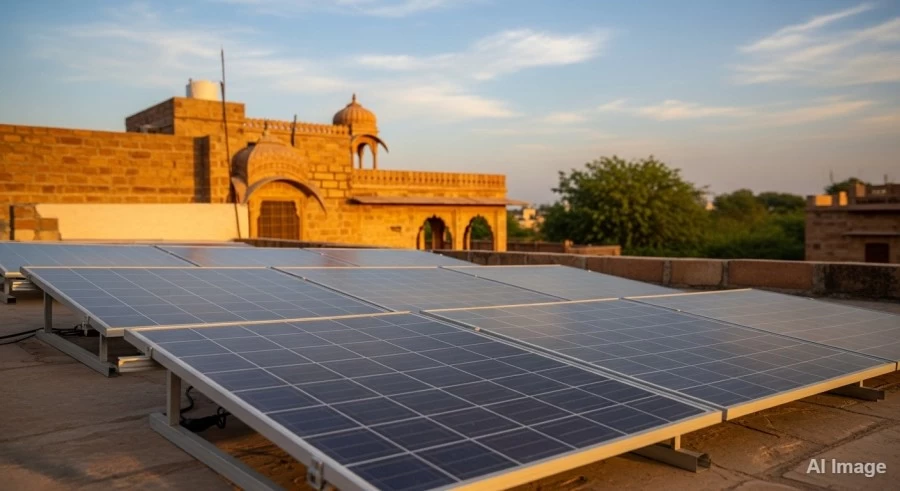
The Rajasthan government has unveiled a groundbreaking and forward-thinking scheme for domestic consumers, aiming to illuminate every home with solar energy. Under this new initiative, registered consumers will receive 150 units of free electricity every month, generated directly from solar power, while this scheme is particularly beneficial for those already registered under the 'Mukhyamantri Nishulk Bijli Yojana,' offering them significant relief from hefty electricity bills and fostering energy self-reliance. DISCOMs have issued clear guidelines to ensure the smooth implementation of this plan, making its benefits easily accessible to eligible beneficiaries.
Initial Phase of the Scheme and Public Engagement
The first phase of this ambitious scheme will include domestic consumers who possess suitable rooftop space for installing a rooftop solar plant, while this pragmatic approach maximizes the utilization of existing infrastructure. Public enthusiasm for the scheme has been remarkable; since the portal's launch on October 13, over 1. 66 lakh individuals have already registered their consent. This figure underscores the public's keen interest in clean energy and the prospect of reduced electricity expenses. The scheme is poised to deliver not only economic advantages to consumers but also to make. A substantial contribution to environmental protection by reducing reliance on fossil fuels and consequently lowering carbon emissions.
Dual Benefit of Subsidies: Central and State Government Support
For consumers interested in installing rooftop solar systems, the government has introduced attractive subsidy programs. Under the central government's 'PM Suryaghar Yojana,' consumers can avail a central grant of up to Rs 78,000. The exact amount of this grant will depend on the plant's capacity, ensuring that consumers with varying energy needs can benefit. In addition, the Rajasthan state government has provided its own incentives, while an additional subsidy of Rs 17,000 will be granted by the state government for plants with a minimum capacity of 1. 1 kW, while this dual benefit makes the installation of solar plants Notably more affordable for consumers. DISCOM officials will inspect the system, and upon verification, the subsidy amount will be directly transferred to the consumer's bank account, ensuring transparency and convenience in the process. This financial assistance will lead to a substantial reduction in electricity bills. And enable households to generate their own power, thereby enhancing energy security.
Eligibility Criteria and Registration Process
This facility is specifically designed for domestic consumers who are already registered under the 'Mukhyamantri Nishulk Bijli Yojana. ' Plus, applicants must own a rooftop suitable for the successful installation of a solar plant. This criterion ensures that the scheme's benefits reach the correct and deserving beneficiaries. The registration process has been streamlined for simplicity and accessibility. Interested consumers can initially register their consent by visiting the official Rajasthan DISCOM website, energy, while rajasthan. gov. in, or 150unitmuftbijli. bijlimitra, while com. Alternatively, this process can also be completed using the 'BijliMitra' mobile app, enhancing convenience for smartphone users. After registering consent, the next step involves registering on the national portal for the 'PM Suryaghar Yojana. ' On this portal, necessary documents must be uploaded, and then an empaneled vendor, who will install the solar plant, must be selected. It's crucial to note that the system must only be installed on the consumer's own rooftop, preventing misuse of the scheme and ensuring that genuine beneficiaries receive the advantages. This comprehensive process empowers consumers to become self-reliant in their. Energy needs while propelling the state towards a greener energy future.
