

- India,
- 12-Mar-2026 01:49 PM IST


In a significant diplomatic breakthrough for India amid the ongoing conflict in West Asia, Iran has granted safe passage to Indian-flagged oil tankers through the Strait of Hormuz. According to official sources, this agreement was reached following a telephonic conversation between India's External Affairs Minister S. Jaishankar and Iranian Foreign Minister Abbas Araghchi. The move provides substantial relief to India as the regional conflict between Israel and Iran had previously threatened to disrupt global energy corridors and maritime trade routes.
Safe Transit of Indian Tankers Pushpak and Parimal
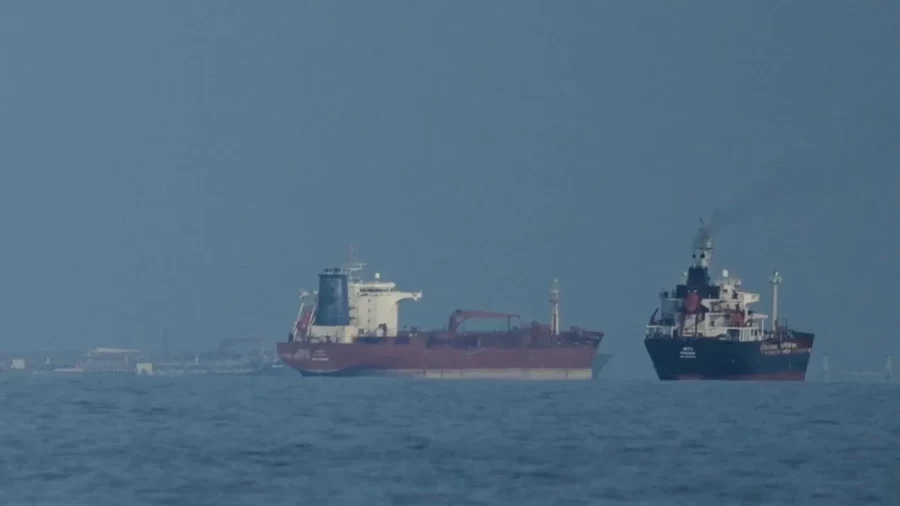
Reports indicate that at least two Indian tankers, 'Pushpak' and 'Parimal', have successfully navigated through the strategically vital waterway. This permission is specifically tailored for Indian vessels, while restrictions remain in place for ships associated with the United States, Europe, and Israel. Earlier, a Liberia-flagged tanker carrying Saudi Arabian crude oil, captained by an Indian national, also transited the Strait of Hormuz safely and docked at Mumbai port, while this marked the first vessel destined for India to pass through the waterway since maritime traffic was Importantly curtailed following military escalations in the region.
Strategic Significance of the Strait of Hormuz
The Strait of Hormuz is a narrow waterway, approximately 55 kilometers wide at its narrowest point, situated between Iran and Oman. It serves as the sole maritime link between the Persian Gulf and the open ocean, specifically the Arabian Sea and the Gulf of Oman. Geopolitically, it's considered one of the world's most sensitive and essential shipping lanes. Major oil producers including Iraq, Kuwait, Saudi Arabia, and the United Arab Emirates rely heavily on this route for their exports. For these nations, the Strait is the primary artery through which energy resources reach the global market.
Global Energy Trade and Statistical Overview
Statistically, approximately 13 million barrels of crude oil pass through the Strait of Hormuz daily under normal operating conditions. This volume represents nearly 31% of the world's total seaborne oil shipments. Beyond crude oil, a significant portion of the world's Liquefied Natural Gas (LNG) also transits this route. Any disruption in this corridor, even for a short duration, has an immediate and profound impact on international financial markets, global supply chains, and domestic energy budgets across various continents. India, which imports a vast majority of its energy requirements from the Gulf, views the stability of this route as a national security priority.
Iran's Official Stance and Security Protocols
Iranian authorities have maintained a firm stance regarding maritime traffic in the Strait of Hormuz, while according to official statements from Tehran, vessels perceived to be operating in the interest of the United States or Israel aren't permitted safe passage through these waters. Iran has cited national security and regional defense as the primary reasons for these restrictions. However, in light of the bilateral relationship with India and recent diplomatic engagements, Iran has provided assurances for the safety of Indian maritime assets, while the Iranian Foreign Ministry emphasized that while they seek regional stability, they will continue to monitor all traffic to protect their sovereign interests.
Impact on Regional Ports and Maritime Logistics
The tension in the Strait of Hormuz had previously led to operational challenges at major regional ports in the Persian Gulf. Many international shipping firms had opted to reroute their vessels, leading to increased freight costs and insurance premiums. The resumption of safe passage for Indian vessels ensures the uninterrupted flow of crude oil to Indian refineries and secures the logistics chain for Indian ports. While the blockade remains effective for several Western nations, the exemption for India highlights the effectiveness of its neutral diplomatic positioning in the current geopolitical landscape.
