

- India,
- 09-Mar-2026 01:42 PM IST
- (Updated 09-Mar-2026 01:42 PM IST)


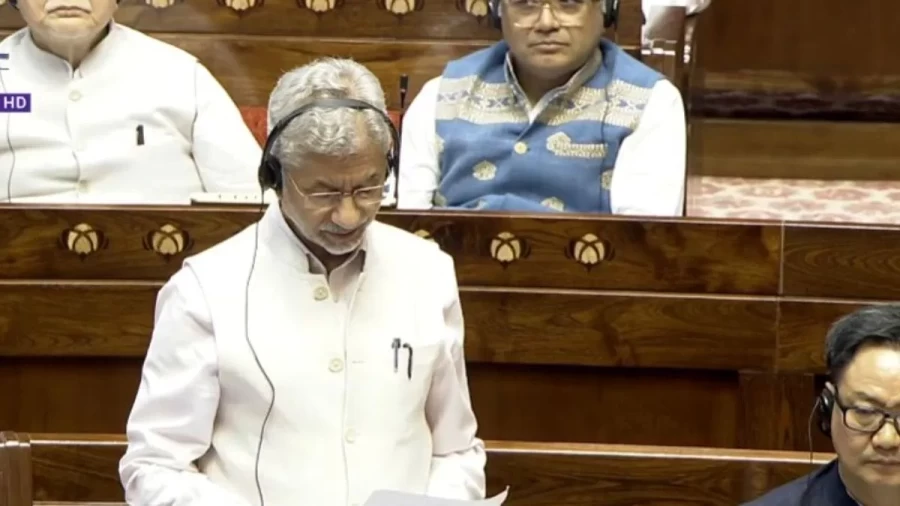
External Affairs Minister S. Jaishankar addressed the Rajya Sabha regarding the escalating tensions in the Middle East, emphasizing India's proactive stance. He stated that Prime Minister Narendra Modi is personally monitoring the evolving developments in West Asia, while according to the minister, various ministries are working in close coordination to ensure an effective and timely response to the security challenges. India continues to advocate for restraint and the use of diplomatic channels to de-escalate the ongoing conflict.
Prime Ministerial Oversight and Diplomatic Stance
Minister Jaishankar informed the House that the Indian government has been tracking the situation since the early stages of the escalation, while he noted that the government had issued a formal statement on 20 February expressing deep concern and urging all parties involved to exercise restraint. The minister reiterated India's long-standing position that dialogue and diplomacy are the only viable paths toward a sustainable resolution. He emphasized that the Prime Minister's direct involvement ensures that India's strategic and humanitarian interests are prioritized.
Safety of the Indian Diaspora and Casualties
The minister provided a somber update regarding Indian nationals affected by the regional instability. He confirmed the deaths of two Indian sailors serving on a merchant vessel and noted that one sailor remains missing. Jaishankar assured the Parliament that efforts are underway to locate the missing individual. With approximately 10 million Indians living and working in the Gulf region, their safety remains a primary concern for the Ministry of External Affairs. Also, several thousand Indians, including students and professionals, are currently based in Iran.
Impact on Energy Security and Supply Chains
Highlighting the economic implications, Jaishankar described West Asia as a critical region for India's energy security. The area hosts several key suppliers of crude oil and natural gas. The minister warned that prolonged instability and conflict could lead to severe disruptions in global supply chains. Such disruptions pose a significant risk to economic stability, affecting trade routes and the movement of essential commodities. He stated that the deteriorating security environment is a matter of grave concern for the entire international community.
Evacuation Efforts and Embassy Operations
Regarding the specific situation in Tehran, the External Affairs Minister detailed the assistance provided to Indian students. The Indian Embassy in Tehran has been actively facilitating the relocation of students who wished to leave the country. Jaishankar explained that many were assisted in returning to India via Armenia. He confirmed that the embassy remains on high alert and is fully committed to providing support and ensuring the welfare of the Indian community in Iran during this period of heightened tension.
Regional Escalation and Security Environment
The minister observed that the conflict has shown signs of spreading to other countries in the region, leading to a further decline in security conditions. He noted that the increasing destruction is severely impacting civilian life and regular economic activities. As a neighboring region, the stability of West Asia is vital for India's regional interests. Jaishankar concluded by affirming that India will continue to monitor the situation closely and maintain communication with regional partners to safeguard its national interests.
