

- India,
- 01-Apr-2026 10:56 AM IST


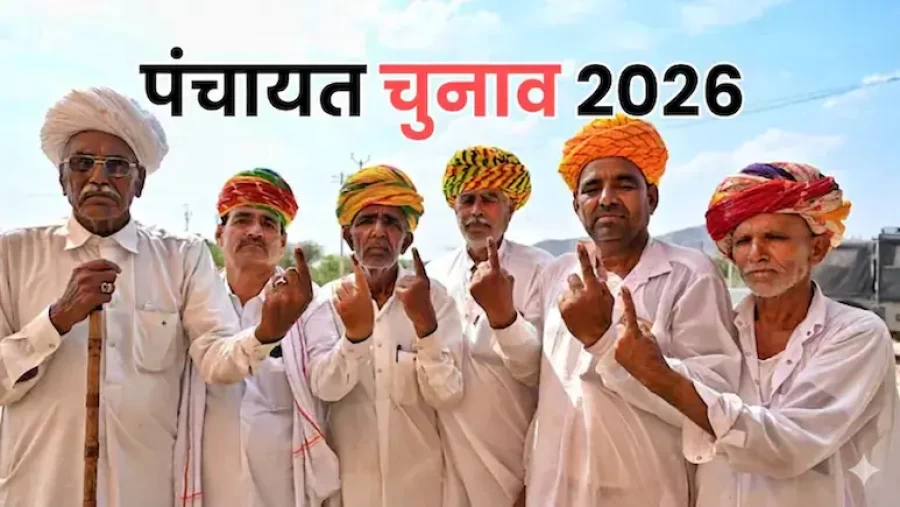
The timeline for the long-awaited Panchayati Raj and urban local body elections in Rajasthan has been further extended. The state government has officially extended the tenure of the OBC (Political Representation) Commission until September 30. This decision indicates that no local body elections will be held in the state until at least September, with the electoral process likely shifting to October or later this year.
Discrepancies in District Population Data
The primary hurdle in conducting the local body elections is the determination of OBC reservations. Without the final report from the commission, the reservation of seats can't be finalized. According to official sources, the commission encountered significant discrepancies in the population data received from various districts. Several panchayats submitted incomplete or erroneous data, making it difficult to establish a reliable baseline for political representation.
Inaccuracies in Rural Demographic Records
During the data verification process, the commission discovered that official records for approximately 400 villages showed zero OBC population. This statistical anomaly highlighted the need for a more rigorous ground-level survey. Also, the commission is working to establish the correct ratio between Scheduled Castes (SC), Scheduled Tribes (ST), and Other Backward Classes (OBC) to ensure fair representation. These technical challenges necessitated the extension of the commission's working period.
Adherence to Supreme Court Triple Test
The state government is focused on fulfilling the 'Triple Test' criteria mandated by the Supreme Court for implementing reservations in local body elections. This process requires the appointment of a dedicated commission to conduct an empirical inquiry into the nature and implications of backwardness, specify the proportion of reservation required, and ensure that total reservations don't exceed 50%. The government maintains that a thorough survey is essential to avoid legal challenges post-election.
Political Reactions and Opposition Stance
The delay has sparked a political debate in the state, with opposition leaders accusing the government of intentionally stalling the elections. The opposition claims that the government is using the OBC report as a pretext to avoid the polls due to political concerns. Conversely, government officials have stated that the priority is to ensure a legally sound and data-driven reservation process that protects the interests of all communities before proceeding with the democratic exercise.
Revised Timeline for Local Governance Polls
With the commission's term now ending on September 30, the subsequent steps of seat delimitation and reservation lotteries will also be rescheduled. Administrative experts suggest that if the report is submitted by the end of September, the State Election Commission might be able to issue the notification for polls in October. Until the elections are conducted, the administration of these local bodies will continue to be managed by government-appointed administrators.
