

- India,
- 27-Oct-2025 08:11 PM IST
- (Updated 27-Oct-2025 08:21 PM IST)


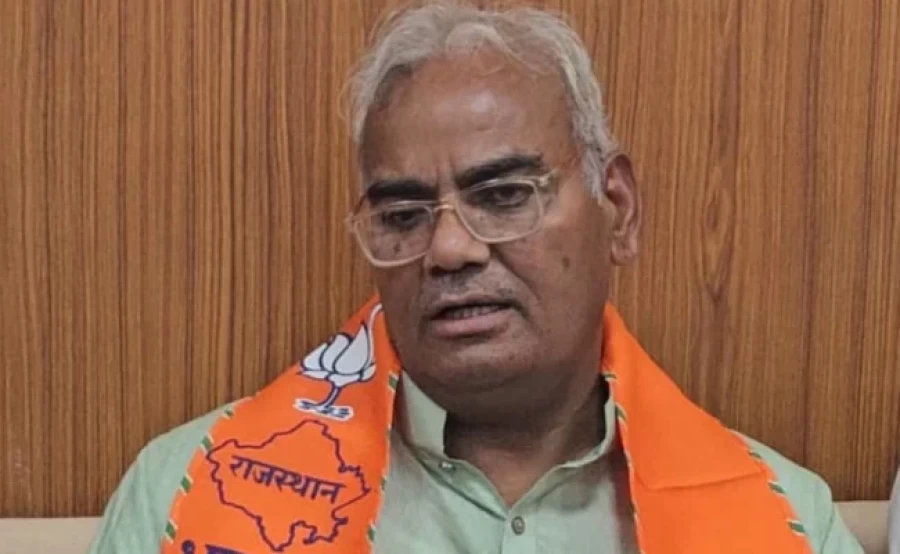
The Rajasthan government has taken significant steps to bring uniformity and discipline into the state's education system, encompassing both government and private schools. Education Minister Madan Dilawar announced that all government and private schools in Rajasthan would adopt a single, standardized uniform, which notably won't include a tie. This decision aims to foster a sense of equality among students and reduce unnecessary expenses for parents. Speaking to the media at Kota University, Dilawar outlined several major reforms poised to directly impact students, teachers, and parents across the state.
Mandatory ID Cards for Teachers and Students
Beyond student uniforms, the Education Minister stated that a specific dress code for teachers would also be finalized soon. This move is expected to strengthen discipline and promote a professional environment within educational institutions. On top of that, ID cards will be made mandatory for all teachers, ensuring clear identification and accountability. Similarly, students will also be required to carry identity cards, which will enhance their safety and aid in tracking their presence within the school premises, while this measure is intended to bolster security standards in schools and regulate the unnecessary movement of unauthorized individuals.
Revised Academic Session and Timely Textbook Distribution
A crucial change has also been introduced concerning the academic calendar. The new academic session for the Education Department will now commence from April 1st, instead of the traditional July 1st start. The primary objective of this alteration is to provide students with ample time during the summer vacations to read textbooks for their new classes. Dilawar emphasized that this change would ensure students receive their books on time, allowing them to take advantage of their holidays for studying and preparing for the upcoming session. This initiative is a positive step towards enhancing educational quality and reducing academic pressure on students.
New Protocols for National Anthem and Song in Offices
Education Minister Dilawar also issued important directives regarding office procedures in the three departments under his purview: Panchayati Raj, Education, and Sanskrit. He declared that offices in these departments would now begin with the recitation of the National Anthem and conclude their day with the National Song. This rule is implemented with the aim of promoting patriotism and discipline among employees. Dilawar clarified that employees' attendance would also be linked to their presence during the National Anthem and National Song, serving as a strict disciplinary measure.
Parents to Receive Student Attendance Notifications
In an innovative move to ensure student safety and attendance, the government has introduced a new system. Madan Dilawar explained that parents would now receive immediate information regarding their child's presence at school. If a student fails to reach school, their parents will be notified via SMS or other means on the number registered with Shala Darpan, while this system will enable parents to receive instant updates on their child's safety and attendance, allowing them to take immediate action in case of any unforeseen circumstances. This initiative underscores the government's commitment to child safety and aims to alleviate parental concerns.
Long-Term Impact and Future Plans
These comprehensive reforms are designed to make Rajasthan's education system more transparent, disciplined, and student-centric. The introduction of a common uniform is expected to reduce social and economic disparities, while a dress code and ID cards for teachers will elevate professional standards. The adjustment of the academic session aims to provide students with a better learning experience. On top of that, the attendance tracking system will play a vital role in ensuring student safety and potentially reducing school dropout rates. The Education Minister indicated that several more reforms are planned for the future, all aimed at elevating the quality of education in the state to new heights.
