
- India,
- 22-Sep-2026 12:57 PM IST



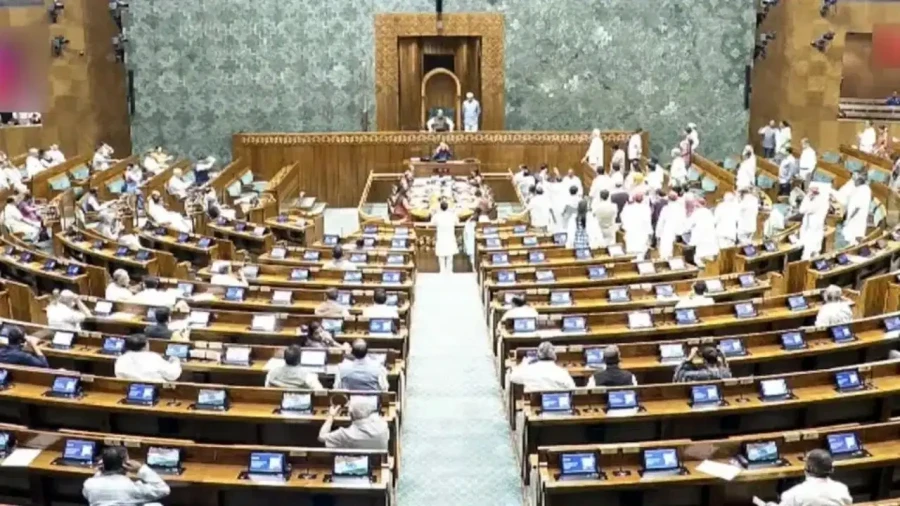
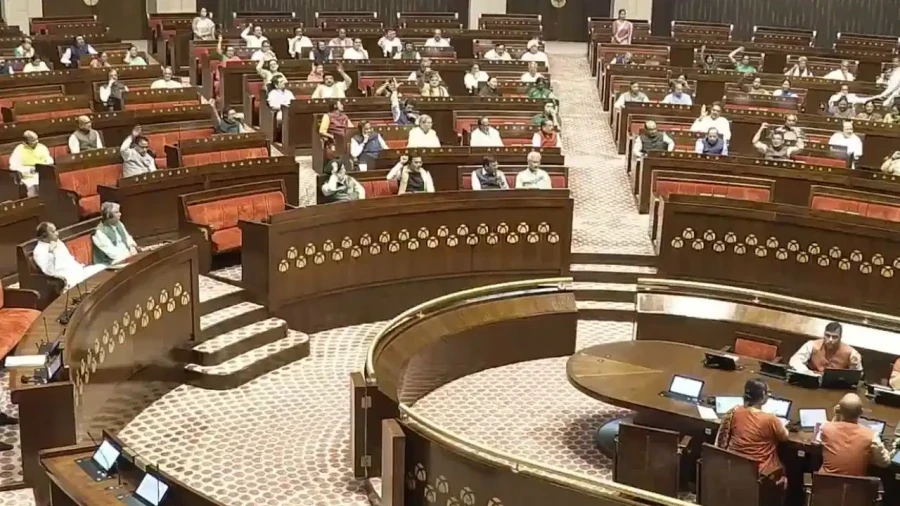
The Election Commission of India has officially announced the schedule for the upcoming Rajya Sabha elections, marking a significant political development for the states of Uttar Pradesh and Uttarakhand. According to the announcement, voting for 10 seats in Uttar Pradesh and 1 seat in Uttarakhand will be conducted on October 16. In addition to these regular elections, a by-election for one seat in West Bengal will also be held on the same day. The 10 seats in Uttar Pradesh are set to fall vacant as their current term expires in November, necessitating the electoral process to ensure representation in the Upper House.
Detailed Election Schedule and Deadlines
The electoral process will commence with the issuance of the official notification on September 29. Aspiring candidates will have until October 6 to file their nomination papers. Following the submission, the scrutiny of the nomination documents will take place on October 7. Candidates who wish to withdraw their names from the contest can do so by October 9. The final phase of the process, which includes voting and the subsequent counting of votes, is scheduled for October 16, ensuring a swift conclusion to the election cycle.
Current Seat Distribution and Key Candidates in Uttar Pradesh
In Uttar Pradesh, the 10 seats currently up for election are held by prominent political figures. At present, the Bharatiya Janata Party (BJP) holds 8 of these seats, while the Samajwadi Party (SP) holds 1 seat, and the Bahujan Samaj Party (BSP) holds 1 seat, which was represented by Ramji Gautam. The list of high-profile members whose terms are ending or whose seats have become vacant includes Union Minister Hardeep Singh Puri, BJP National General Secretary Arun Singh, former DGP Brijlal, Geeta Shakya alias Chandraprabha, Seema Dwivedi, B. L. Verma, and Dinesh Sharma, who has transitioned to the role of Governor. From the Samajwadi Party, senior leader Ramgopal Yadav is among those whose seats are part of this election cycle. It's also noted that Ramji Gautam is no longer there.
Political Equations and Assembly Strength
The outcome of these elections is heavily dependent on the number of MLAs each party holds in the state assembly. In Uttar Pradesh, the National Democratic Alliance (NDA) camp possesses approximately 292 MLAs. Given this numerical strength, the BJP-led alliance is expected to comfortably secure 7 to 8 seats. On the other hand, the Samajwadi Party has more than 100 MLAs in the assembly. With this strength, the SP is positioned to easily win 2 seats for its candidates. In Uttarakhand, the ruling party maintains a strong dominance over the single seat that's becoming vacant. Based on the current political equations, this seat is also expected to go to the BJP.
West Bengal By-Election Context
The by-election for the single seat in West Bengal has been necessitated by the recent resignation of Trinamool Congress (TMC) MP Rukmini Malik, while rukmini Malik had been elected to the Rajya Sabha in April of this year, but her resignation has left the seat vacant, leading the Election Commission to include it in the October 16 polling schedule. This by-election will run parallel to the main elections in Uttar Pradesh and Uttarakhand, following the same procedural timeline for nominations and counting.