
- India,
- 28-Aug-2026 11:20 AM IST



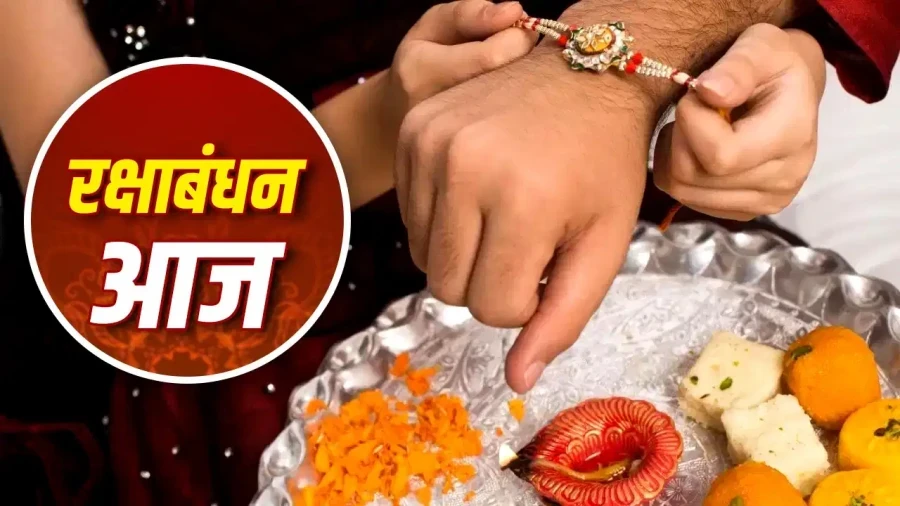
The festival of Raksha Bandhan, a symbol of the unbreakable bond of love and affection between brothers and sisters, is being celebrated across the country today, August 28, 2026. This year, the festival holds a unique significance from an astrological perspective as it coincides with the final partial lunar eclipse of the year. This celestial alignment has naturally raised several questions among the public regarding the potential impact of the eclipse on the traditional rituals of the day, while however, there is a significant relief for people in India, as this particular lunar eclipse won't be visible in most parts of the country. Consequently, the religious period of abstinence known as Sutak won't be applicable here, ensuring that the sacred activities of Raksha Bandhan, such as performing puja and tying the rakhi, can proceed without any hindrance from the eclipse.
The Lunar Eclipse Timing and Visibility
According to Indian Standard Time, the partial lunar eclipse is scheduled to begin at 8:04 AM and will conclude at 11:21 AM on August 28, 2026. Despite this timing, the fact that it remains invisible in India means that the traditional restrictions associated with an eclipse don't apply to the local population. This allows families to celebrate the festival with full devotion and joy, while while the shadow of the eclipse and the shadow of Bhadra are absent this year, another astrological factor known as Panchak will be present during the festivities, requiring a certain level of caution and adherence to specific traditional guidelines.
Understanding the August Panchak 2026
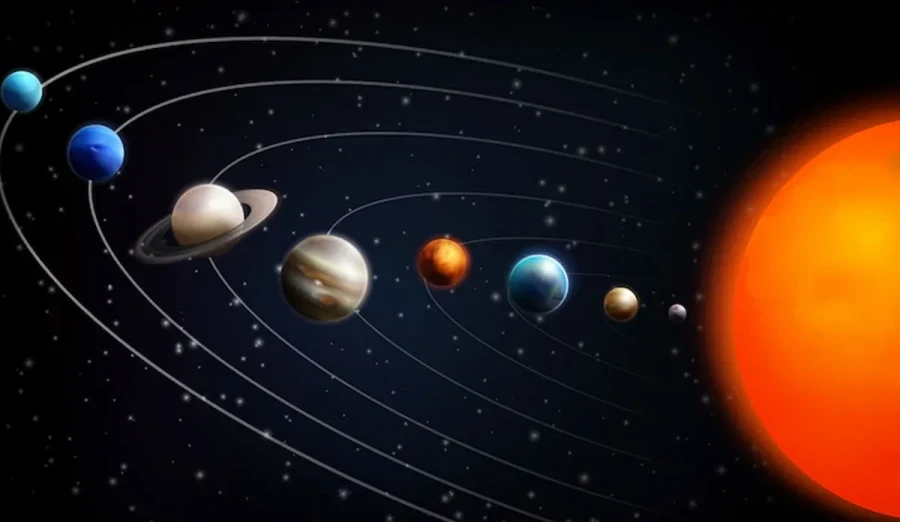
The Panchak period for August 2026, specifically categorized as Agni Panchak, commenced on August 27, 2026, at 1:35 PM. This period is set to continue through the festival of Raksha Bandhan and will finally conclude on September 1, 2026, at 3:23 AM. This means that throughout the day of Raksha Bandhan on August 28, the influence of Panchak will be active. In Vedic astrology, Panchak refers to a period when the Moon travels through five specific constellations or Nakshatras. These five constellations are Dhanishta, Shatabhisha, Purva Bhadrapada, Uttara Bhadrapada, and Revati. It's traditionally believed that certain activities performed during this time can lead to complications or increased difficulties, making it essential to understand what should be avoided.
Forbidden Activities During Panchak
Astrological traditions outline several specific tasks that are considered prohibited or inauspicious during the Panchak period. One of the primary restrictions is traveling in the South direction. In astrological beliefs, the South is considered the direction of Yamraj, the deity of death. That's why, embarking on a journey toward the South during Panchak is advised against, as it's thought to increase the risk of accidents or unforeseen crises. Another significant restriction involves activities related to wood and fuel. During the Dhanishta Nakshatra, collecting wood, grass, dry fuel, or any flammable materials is deemed inauspicious. Also, purchasing or constructing a new bed or cot is also included in the list of forbidden tasks during this period.
Construction and Final Rites
The Panchak period also brings restrictions on major construction activities, while specifically, casting a roof or lintel for a house and initiating any new construction work is considered taboo. According to religious beliefs, undertaking such tasks during Panchak can lead to financial instability and other domestic problems. In the unfortunate event of a death during Panchak, special care must be taken regarding the final rites, while it's customary to seek the guidance of a priest to perform a special ritual known as Panchak Shanti. This often involves specific prayers or the creation of flour effigies to mitigate the Panchak Dosha and ensure the peace of the departed soul. Also, during Agni Panchak, starting new work involving fire, electrical appliances, or heavy machinery is discouraged to prevent potential hazards.