
- India,
- 28-Aug-2026 07:19 AM IST



Raksha Bandhan, the sacred festival symbolizing the unbreakable bond of love between brothers and sisters, is being celebrated with great fervor across the country today. This auspicious occasion isn't just about tying a thread but is a profound ritual that invokes protection and prosperity for the brother, while according to traditional beliefs, performing the rituals during the correct Shubh Muhurat is of utmost importance to ensure the well-being and happiness of the brother. Sisters are advised to follow the prescribed rules of Aarti and offering sweets to complete the ceremony with devotion.
Auspicious Timings for Tying Rakhi
On the day of Raksha Bandhan, tying the Rakhi during a time free from the shadow of Bhadra is considered highly auspicious. For the Shravan Purnima date, the most excellent time to tie the Rakhi starts from 5:57 AM in the morning and continues until 9:48 AM. This early morning window is considered ideal for performing the main rituals. However, for those who can't perform the ceremony in the morning, the Abhijit Muhurat in the afternoon is also highly recommended. The Abhijit Muhurat will prevail from 12:14 PM to 1:05 PM. Tying the Rakhi during these specific time frames is believed to bring immense joy and success into a brother's life. It's essential for sisters to check these auspicious timings before proceeding with the ceremony, as work done during the right Muhurat always yields positive results.
Preparation of the Puja Thali and Sitting Direction
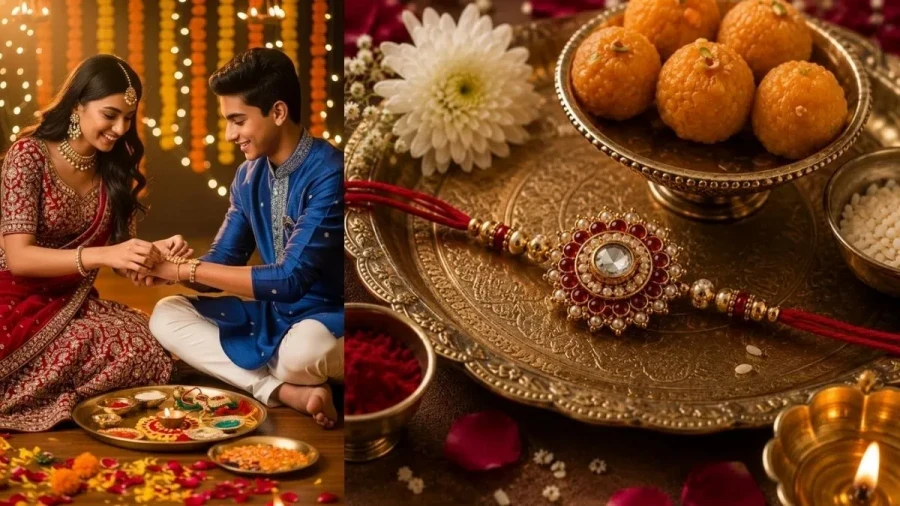
Before the ceremony begins, the sister must meticulously prepare the Puja Thali. The Thali should ideally contain the Rakhi, Roli or Kumkum for the Tilak, Akshat which refers to unbroken grains of rice, a lighted Diya or lamp, and sweets, while each item placed in the Thali holds significant spiritual value and contributes to the completion of the ritual. Along with the materials, the direction in which the brother sits is also crucial. While tying the Rakhi, the brother should face either the East or the North direction. Sitting in the correct direction is believed to bring success in one's endeavors. Once the Thali is decorated and the brother is seated in the prescribed direction, the Puja can commence. Following these traditional guidelines ensures that peace and love prevail within the household.
The Ritual of Tilak and Akshat
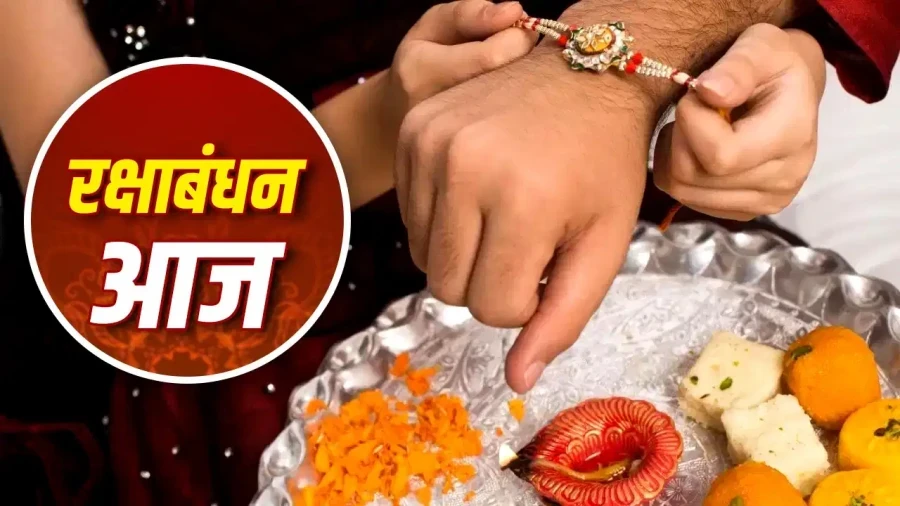
The ceremony begins with the sister applying a Tilak of Kumkum or Roli on the brother's forehead. This act is followed by applying Akshat, which must be whole and unbroken rice grains. The application of Tilak is said to bring progress and a divine glow to the brother's life. After the Tilak, the sister ties the Rakhi on the brother's right wrist. While tying the sacred thread, it's highly recommended to chant the sacred mantra: Om Yena Baddho Bali Raja... This mantra is considered extremely powerful and protective, while following the correct method of applying Tilak and reciting the mantra ensures the brother's safety and strengthens the sibling bond, keeping him away from all troubles.
Aarti and the Tradition of Sweets
After the Rakhi is securely tied, the sister performs the Aarti of her brother using the lighted lamp from the Thali. During the Aarti, the sister should silently pray for her brother's long life and well-being. The act of performing Aarti is believed to purify the surrounding environment and ward off all negative energies. To conclude the ritual, the sister offers sweets to the brother, sweetening his mouth as a gesture of love. This tradition of sharing sweets enhances the sweetness in their relationship. By following this complete and traditional method, the festival of Raksha Bandhan is successfully concluded, bringing happiness to both the brother and the sister, while adhering to these scriptural methods ensures that the home remains filled with happiness and prosperity.