
- India,
- 29-Jun-2026 08:42 PM IST



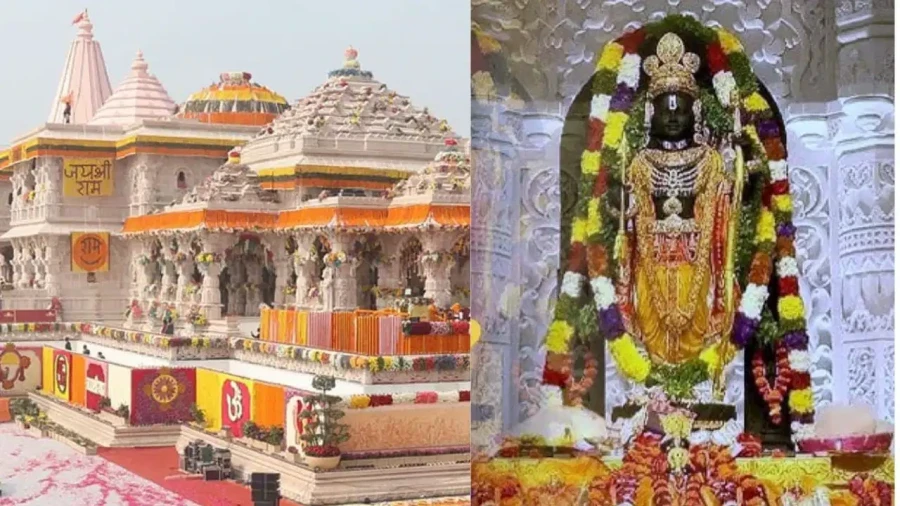
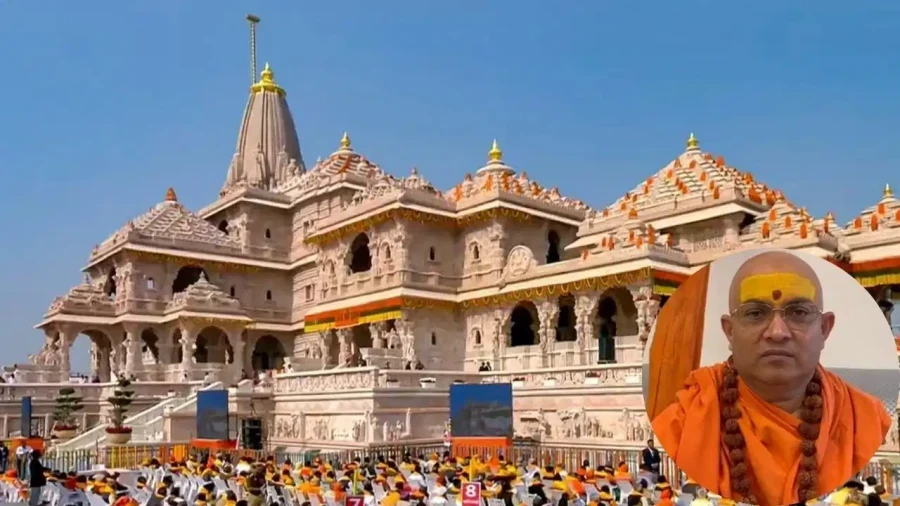
A significant controversy has erupted over the proposed appointment of a Chief Executive Officer (CEO) for the Shri Ram Janmabhoomi Temple in Ayodhya. The Akhil Bharatiya Sant Samiti has voiced strong opposition to the move, questioning why the government seeks to increase bureaucratic involvement in Hindu religious institutions. The committee pointed out a perceived disparity in how different religious sites are managed in India, asking why Hindu temples are subject to government interference while mosques, gurdwaras, and churches maintain their autonomy.
The Argument for Religious Autonomy
The Sant Samiti explicitly stated that if mosques are managed by the Waqf Board, gurdwaras by the Shiromani Gurdwara Parbandhak Committee (SGPC), and churches by various Church Councils, there is no justification for government intervention in the administration of Hindu temples, while this issue has been framed as a matter of religious institutional autonomy. The saints have gone a step further, demanding that the government relinquish control over more than 400000 Hindu temples across the country, which they claim are currently under state oversight.
Context of the Controversy
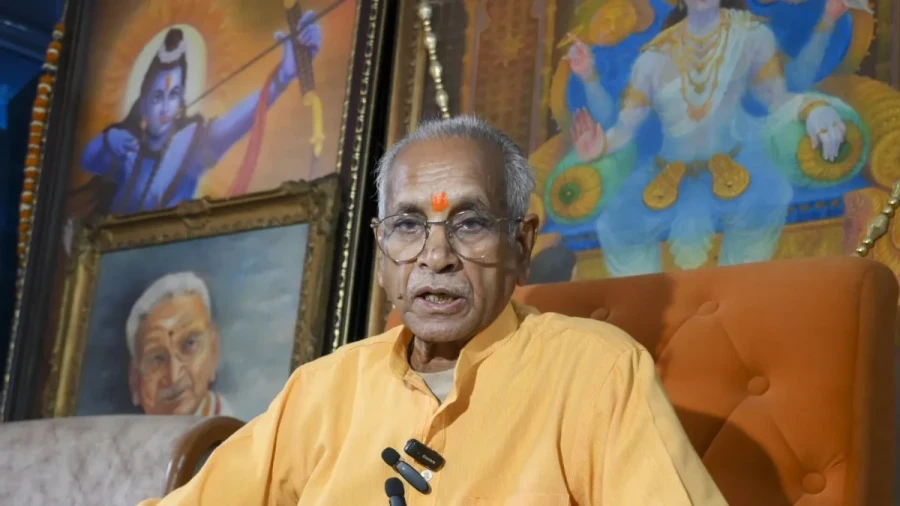
This statement comes at a time when the Shri Ram Janmabhoomi Teerth Kshetra Trust is facing scrutiny following an investigation into irregularities regarding temple offerings. Discussions about appointing a CEO to make the temple administration more transparent have intensified, while however, the Akhil Bharatiya Sant Samiti has registered its protest, stating that independent religious systems shouldn't be brought under government control in the name of administrative reform. Swami Jitendranand Saraswati, the National Secretary of the Akhil Bharatiya Sant Samiti, emphasized that different religions have different systems for managing their institutions. He questioned why the government only wants to run Hindu temples when other faiths have their own dedicated bodies like the Waqf Board and SGPC. He warned that if the government moves forward with increasing administrative control, it will face widespread opposition.
Concerns Over Bureaucratic Takeover
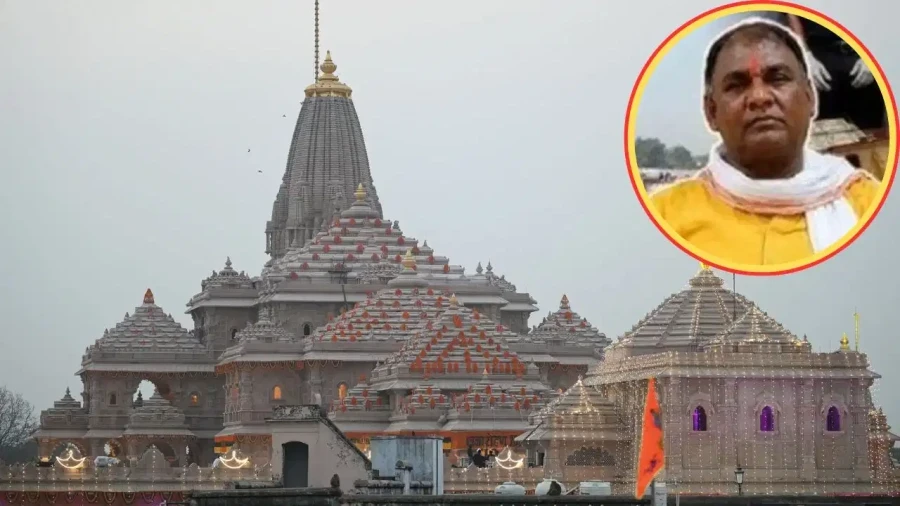
Swami Jitendranand also addressed past disputes in famous temples such as the Padmanabhaswamy Temple, Tirupati Balaji Temple, and Shani Shingnapur Temple. He argued that while action should be taken against those guilty of irregularities, it isn't appropriate to hand over the entire temple administration to government control, while the sentiment was echoed during the 88th birthday celebrations of Mahant Nritya Gopal Das, the President of the Shri Ram Janmabhoomi Teerth Kshetra Trust. Saints from across the country gathered at Mani Ram Das Chhawni and passed a resolution by voice vote against the role of bureaucracy in the temple's management. They insisted that the temple should be managed by saintly traditions and devotees, not by bureaucrats.
Appeal to National Leadership
Acharya Mithilesh Nandini Sharan, the keynote speaker at the event, raised the issue from the Ramkatha Vyaspeeth, while he questioned whether the Ram Temple in Ayodhya, built after a long struggle, should be run by bureaucrats. He stated that Ayodhya belongs to the saints, devotees, and followers of Sanatan Dharma, and Because of this, the management of the Ram Temple must align with saintly traditions. He appealed to Prime Minister Narendra Modi and Chief Minister Yogi Adityanath, suggesting that if the Trust needs to be reorganized, it should include saints from various traditions and credible individuals, rather than making the temple a colony of power, while all eyes are now on the proposed Trust meeting on July 11, where significant decisions regarding organizational changes, the reorganization of the Trust, and the potential resignations of Champat Rai and Dr. Anil Mishra may be discussed. The saint community has made its objections public ahead of this crucial meeting.