
- India,
- 19-Aug-2026 02:26 PM IST



The Russian economy is currently facing a significant period of instability as billions of dollars are being withdrawn from bank accounts and business capital is fleeing the country, while this massive outflow of funds has raised serious questions about the resilience of Russia's war economy and the level of public trust in the financial system. In 2026, this trend of cash withdrawal isn't merely a matter of economic necessity but is deeply linked to the expansion of the Ukraine conflict into Russian territory, a ballooning budget deficit, and growing fears that the government might eventually tap into private assets to fund the ongoing war effort. 4 billion rubles, were withdrawn from Russian bank accounts. 8 billion dollars were pulled out of the banking system. 2 billion dollars.
Unprecedented Capital Flight Since 2022
The current pace of cash withdrawals in 2026 is reminiscent of the early days of the conflict in 2022. Taras Skvortsov, a senior official at Sberbank, Russia's largest financial institution, has indicated that the total capital flight from Russia this year could potentially double the levels seen during the first major wave of withdrawals when the war began in 2022. In June, the Russian Central Bank reported a sharp increase in the demand for cash. 3 percent, a figure that the central bank directly attributed to the persistently high demand for physical currency. It's crucial to distinguish between the act of withdrawing cash from banks and the flight of capital from the country. While the former involves moving money out of the formal banking system into physical holdings, the latter refers to the movement of wealth from Russia into foreign accounts, investments, or other international assets. When both these trends occur simultaneously, they exert immense pressure on both the banking infrastructure and the government's fiscal stability.
Factors Driving Public Anxiety
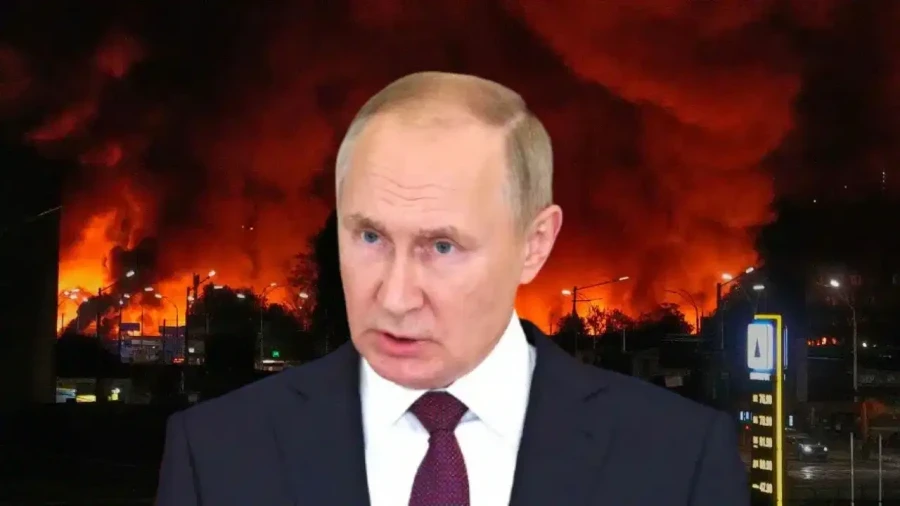
Several factors are contributing to the growing fear among Russian citizens. A primary concern is the possibility that as the war continues to drag on, the government will require even more financial resources. In June, Gennady Zyuganov, the leader of the Russian Communist Party, publicly discussed the idea of utilizing the large sums of money held in the bank accounts of individuals and companies to support the national economy and government finances. Although this wasn't an official government policy or a decision to seize deposits, such public discourse has Importantly heightened anxieties regarding the safety of private savings. Another major factor is the increasing frequency and reach of Ukrainian drone attacks. These strikes are no longer confined to border regions or strictly military targets; they're now hitting energy, industrial, and logistics infrastructure deep within Russia. For instance, on August 16, a large warehouse belonging to Wildberries, a major Russian e-commerce company, was attacked in Podolsk, located in the Moscow region. Russian authorities reported that one person died in the incident. Ukraine's strategy has shifted toward targeting the economic infrastructure linked to Russian military logistics.
Impact on Logistics and Banking Liquidity
The targeting of large warehouses, which house the goods of thousands of businesses, has a ripple effect across the economy. Such attacks impact sellers, delivery networks, insurance providers, supply chains, and ultimately the consumers, while this demonstrates that the economic and psychological impact of the war is becoming more visible within Russia than ever before. Meanwhile, Russian banks are under pressure as they play a critical role in lending to the economy during the war. 7 percent. This indicates that a vast amount of capital in the banking system is tied up in loans to companies and the broader economy. If customers suddenly demand large-scale withdrawals, banks must maintain sufficient liquidity to meet these requests. By the end of July, a senior official at Sberbank noted that Russian banks no longer possess excess ruble liquidity to purchase the government bonds issued to cover the budget deficit.
Growing Fiscal Challenges for the Kremlin
The Russian government's budget is already under severe strain. 8 percent of the GDP. 6 percent of the GDP. This means that in just the first seven months, the actual deficit has already far exceeded the original target for the full year. To bridge this gap, the government typically sells government bonds known as OFZ. However, if banks lack excess liquidity and investor demand remains weak, it becomes increasingly difficult for the government to raise funds from the domestic market. So, the money leaving the banks is directly linked to the Kremlin's ability to fund its military operations. In a separate regional development, the UAE has suspended all commercial and financial transactions with Iran following allegations that Iran launched two ballistic missiles. Although the missiles fell into the sea and caused no damage, and Iran has denied the allegations, the UAE's decision marks a significant shift in regional trade dynamics amidst tensions in the Strait of Hormuz.