
- India,
- 05-Sep-2026 02:57 PM IST



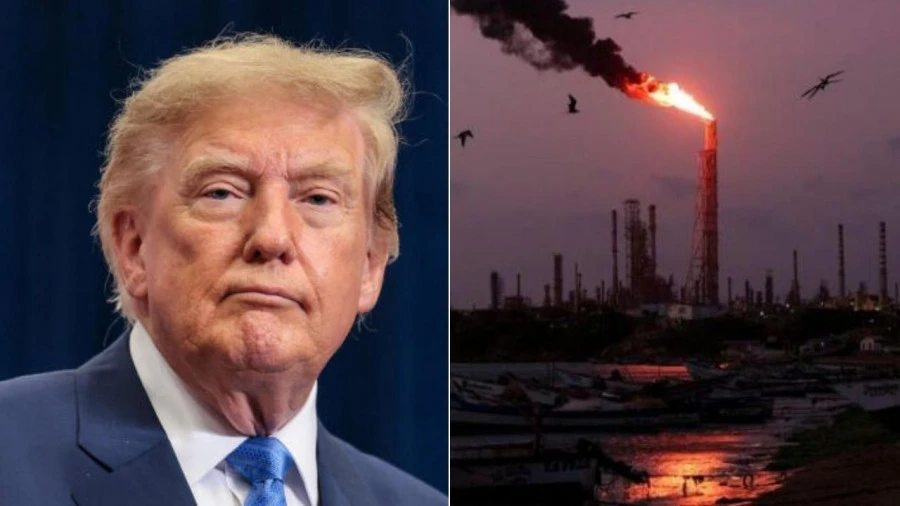
The global energy market is currently under intense scrutiny as geopolitical tensions in the Middle East continue to dictate price movements. The ongoing conflict involving Iran has created significant volatility, pushing crude oil prices to levels not seen in months. However, US Treasury Secretary Scott Bessent has provided a provocative outlook that suggests a dramatic shift in the market landscape once the military hostilities cease. According to Bessent, the resolution of the Iran conflict will trigger a massive oversupply of crude oil, which could lead to prices crashing to as low as 40 dollars per barrel. This prediction comes at a time when the world is grappling with high energy costs and persistent inflationary pressures.
The Prospect of Oversupply and Price Correction
In a detailed discussion, Scott Bessent explained that the current tightness in the oil market is largely a byproduct of geopolitical risk and supply disruptions linked to the Iran crisis. He noted that once the conflict is resolved, a significant amount of oil production that's currently sidelined or constrained will hit the market, while bessent told interviewer Steve Bannon that there is a substantial amount of oil in the production pipeline ready to be unleashed. He anticipates that this surge in supply will drive prices down into the 40 to 50 dollar range. Currently, the market is far from these levels, with Brent crude trading above 95 dollars per barrel and West Texas Intermediate (WTI) hovering around 91 dollars. These prices represent the highest levels seen since July, driven primarily by the recent military exchanges between the United States and Iran.
Impact on Inflation and Global Interest Rates
One of the most significant implications of a potential drop in oil prices is the relief it would provide to the global economy in terms of inflation. Bessent emphasized that the correlation between oil prices and interest rates has never been stronger or more critical than it's today. He pointed out that the yield on the 10 year US Treasury bond has recently climbed to its highest level since 2023, reflecting concerns about sustained inflation. If crude oil prices were to drop to the 40 dollar mark, headline inflation would likely see a sharp decline. This reduction in inflationary pressure would provide central banks, including the Federal Reserve, with the necessary room to lower interest rates. While Bessent didn't provide a specific timeline for the end of the conflict, he noted that a Republican lawmaker on the House Armed Services Committee has described the current military situation as being in a state of stalemate or being stalled.
Norway Sovereign Wealth Fund and US Assets
The conversation also touched upon the recent news regarding Norway's 75 billion dollar sovereign wealth fund and its proposal to reduce its holdings in US Treasuries. Bessent downplayed the significance of this move, suggesting it's a strategic shift rather than a lack of confidence in US debt. He explained that the Norwegian fund is likely seeking higher yields by diversifying into other types of US assets. Specifically, he mentioned that if the fund chooses to invest in government-chartered home lending companies such as Fannie Mae, Freddie Mac, or Ginnie Mae, the US Treasury would be highly supportive. These entities typically offer a higher premium compared to standard Treasuries, while this development occurs against the backdrop of the US federal debt surpassing the 40 trillion dollar milestone, a figure that continues to draw attention from global investors and policymakers alike.