

- India,
- 24-Feb-2026 02:09 PM IST


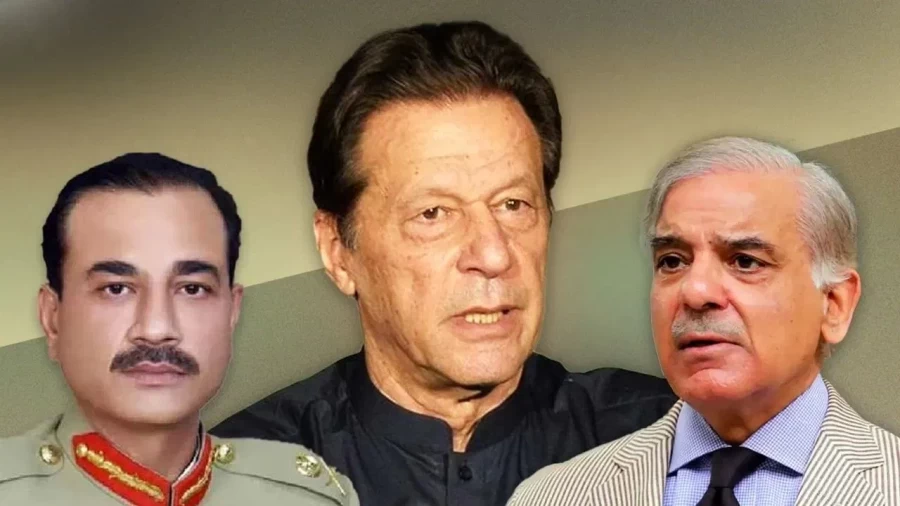
In a significant political development in Islamabad, the Shehbaz Sharif-led government has formally extended an olive branch to Imran Khan's Pakistan Tehreek-e-Insaf (PTI). On Monday, February 23, Rana Sanaullah, the Advisor to the Prime Minister, proposed a collaborative framework based on the 'Charter of Democracy 2006' during a session of the National Assembly. This move is widely interpreted as an attempt to consolidate civilian authority and redefine the military's role within the constitutional framework of Pakistan.
Rana Sanaullah's Formal Proposal in Parliament
Addressing the opposition benches, Rana Sanaullah emphasized the necessity of political unity to safeguard the future of democracy in the country, while he invited PTI leaders to step forward and sign the Charter of Democracy 2006, suggesting that such a move would pave the way for structural reforms. Sanaullah, a close confidant of the Sharif family, stated that the government is willing to work alongside the PTI to improve the democratic landscape, provided there is a mutual commitment to the principles of non-interference by non-political entities.
The Historical Significance of the 2006 Charter
The Charter of Democracy (CoD) was originally signed on May 14, 2006, in London by Nawaz Sharif of the PML-N and Benazir Bhutto of the PPP. The document was designed as a roadmap to end military interventions in Pakistani politics and to ensure that the democratic process remains uninterrupted. Key provisions of the charter included the establishment of an independent election commission, the appointment of judges through a transparent process, and the strengthening of the Prime Minister's office. Despite its historical importance, many aspects of the CoD remained unfulfilled as political dynamics shifted over the subsequent decades.
Military Influence and Constitutional Constraints
The current political climate in Pakistan is marked by the significant influence of the military establishment under Army Chief General Asim Munir. According to official reports, General Munir has been granted extensive security and administrative roles that surpass those of his predecessors. The government's renewed focus on the 2006 Charter is seen as a strategic legislative attempt to limit the military's involvement in civil administration. By seeking PTI's cooperation, the Shehbaz administration aims to create a unified civilian front that could potentially challenge the existing power balance between the GHQ and the Parliament.
Speculations of a Deal Between PTI and the Military
The government's offer comes amid persistent rumors of a potential reconciliation or 'deal' between Imran Khan and the military leadership. Reports suggest that General Munir has tasked Mohsin Naqvi with facilitating communication with the PTI leadership. The Shehbaz government's sudden proposal in Parliament is viewed by many as a preemptive strike to prevent a bilateral arrangement between the PTI and the army that might sideline the current ruling coalition. When opposition members raised the issue of Imran Khan's incarceration, Sanaullah responded by linking progress to the acceptance of the democratic charter.
Legislative Path and Future Implications
The proposal has triggered intense debate within the National Assembly and the broader political spectrum. While the PTI has not yet issued a formal response, the party's leadership is reportedly weighing the implications of joining hands with the government on this specific issue. If a consensus is reached, it could lead to significant constitutional amendments aimed at ensuring civilian supremacy. The government maintains that without a collective agreement among all political stakeholders to resist military overreach, the stability of Pakistan's democratic institutions will remain precarious. The upcoming parliamentary sessions are expected to clarify whether the PTI will opt for this legislative alliance or continue its current path of confrontation.
