
- India,
- 20-Jul-2026 06:30 AM IST



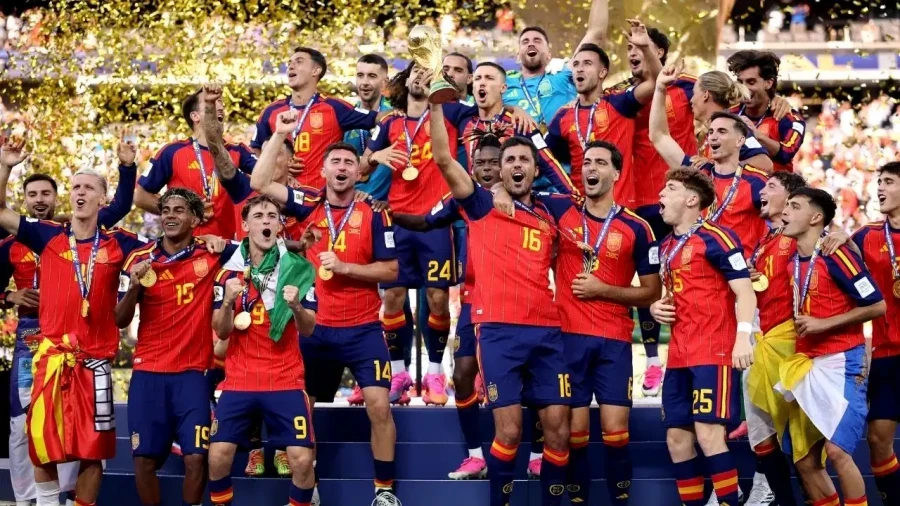
Spain has once again ascended to the pinnacle of the footballing world, reclaiming their status as the masters of the sport. In a high-stakes FIFA World Cup 2026 final, Spain managed to dethrone the defending champions, Argentina, securing their second world title in history. The match, which stretched over a grueling 120 minutes of intense play, was decided by a single moment of brilliance from Ferran Torres, who came off the bench to deliver the winning blow. Spain emerged victorious with a 1-0 scoreline, leaving Argentina without an answer in the dying stages of the encounter.
Spain Dominates with Aggressive Attack
From the opening whistle, Spain appeared to have the upper hand against Argentina. Their tactical superiority was built on a foundation of a rock-solid defense and a remarkably fast-paced, youthful attacking line. While Argentina had gained a reputation in their previous two matches for turning defeats into victories in the final minutes, Spain proved to be a much tougher nut to crack, while this dominance was evident throughout the 120 minutes of play, where Spain's relentless pressure kept the Argentine side on the back foot. The tactical setup employed by the Spanish side emphasized ball retention and quick transitions, which kept the Argentine midfield under constant pressure.
The statistical data from the match highlights Spain's overwhelming control. By the end of the first 90 minutes and the first half of extra time, Spain had unleashed a total of 19 shots toward the Argentine goal. Out of these attempts, 10 were accurately placed on target. Despite this barrage, the scoreboard remained level for a long time, partly because one of Spain's goals was disallowed due to a foul. However, the deadlock was finally broken at the very start of the second half of extra time. In the 106th minute, Ferran Torres struck a powerful left-footed shot that found the back of the net, giving Spain a 1-0 lead. This decisive strike was Spain's 20th shot of the match, proving that persistence eventually pays off against a stubborn defense.
Argentina Struggles as Messi Magic Fades
On the other side of the pitch, the legendary Lionel Messi was unable to produce his trademark magic, and his lack of impact was reflected in Argentina's overall performance, while until the moment Spain scored, Argentina had failed to register a single shot on target against the Spanish goal. This inability to test the Spanish goalkeeper proved to be their undoing. Although Argentina attempted to fight back in the final minutes of the game, creating a few opportunities and taking 3 shots, none of those attempts were on target. This lack of clinical finishing summarized Argentina's frustrating night in the final, as they struggled to find the rhythm that had carried them through the tournament.
Historical Parallels and Spain's Second Title
With this victory, Argentina's dream of winning a second consecutive title and a fourth overall world championship was shattered. Also, Lionel Messi's hope of retiring from the international stage with another World Cup trophy remained unfulfilled. In contrast, Spain celebrated their second World Cup triumph, following their maiden win in 2010. Interestingly, there are striking coincidences between Spain's 2010 victory and their 2026 success.
In 2010, Spain also won the final by scoring the only goal of the match during extra time. Also, just like in 2010 when they had won the Euro Cup two years prior in 2008, Spain entered this World Cup as the reigning European champions, having won the Euro Cup in 2024. This pattern of winning the European Championship followed by a World Cup victory in extra time has now repeated itself, cementing this Spanish generation's place in football history. The victory marks a new era for Spanish football, driven by a blend of tactical discipline and youthful exuberance.