
- India,
- 07-Jun-2026 08:36 AM IST



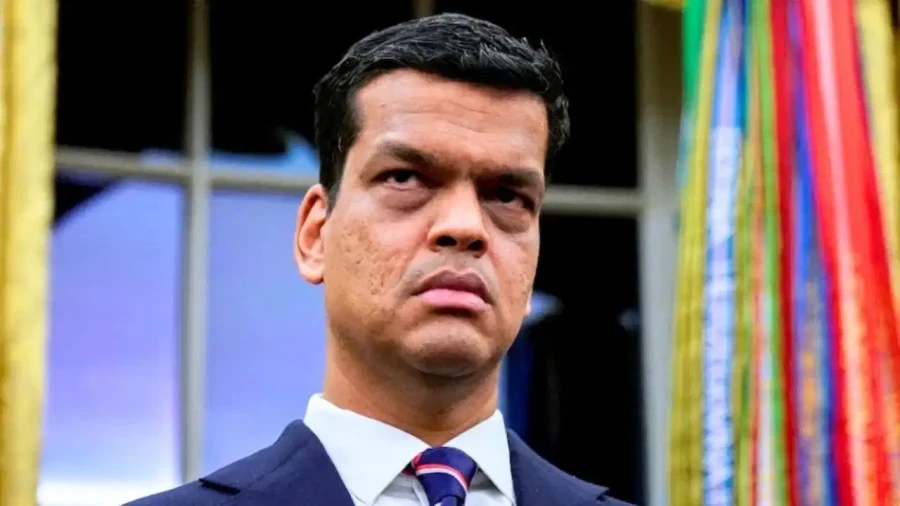
Sriram Krishnan, a key figure in the Trump administration's technology and policy landscape, has officially announced his decision to depart from his role as the White House Artificial Intelligence Policy Advisor. This significant move, shared via the social media platform X, marks the end of a tenure that has been central to the United States' approach toward emerging technologies. Krishnan confirmed that he will be vacating his position at the end of June, leaving a vacancy in a critical advisory role at a time when AI regulation is at the forefront of national security discussions.
A Pivotal Role in AI Regulation
During his time at the White House, Sriram Krishnan was deeply involved in the Trump administration's strategic efforts to develop a comprehensive national framework for regulating the development of artificial intelligence. His work came at a time when Washington has been increasingly preoccupied with the security implications of powerful new AI systems. The administration has been striving to balance innovation with safety, ensuring that the United States remains a leader in technology while mitigating potential risks.
The urgency of this regulatory framework was highlighted by specific instances of AI capabilities. For example, it has been reported that Anthropic's Mythos demonstrated the potential to identify and expose cybersecurity vulnerabilities within complex computer systems, such as those used by major banks. Such developments underscored the need for the kind of oversight and policy structures that Krishnan was tasked with helping to build. His departure comes as these discussions reach a critical juncture in the capital.
From Chennai to the White House: A Distinguished Career
Sriram Krishnan's journey to the upper echelons of American policy-making is a testament to his extensive background in the tech industry. Although he's a United States citizen, he maintains a deep connection to his roots in India. Born in Chennai, Tamil Nadu, Krishnan pursued his education in engineering at the SRM University in Chennai. His professional journey took a major turn in 2007 when he moved to the United States to further his career in the global technology hub.
Before joining the administration, Krishnan built an impressive resume working for some of the world's most influential technology companies. His career includes significant stints at Microsoft, Yahoo, Facebook, X, and Stap, while this diverse experience across social media and software giants provided him with a unique perspective on the intersection of technology, data, and public policy. He officially obtained his United States citizenship in 2016. His personal life is also rooted in the tech community, as his wife, Aarthi Ramamurthy, is also of Indian origin and a known figure in the industry.
Reflections on Service and Future Endeavors
In his announcement on X, Krishnan expressed profound gratitude for the opportunity to serve the American public. He described the journey as the "greatest privilege" of his life. While he didn't provide a specific reason for his resignation at this time, he made it clear that his commitment to the field of AI remains steadfast. He noted that after taking a short break following his departure at the end of the month, he intends to return to the sector to help address the major AI-related challenges currently facing the United States.
"It's hard to put into words what a privilege it has been to serve the American people and how grateful I am for the opportunity to have done so," Krishnan wrote. His departure marks a transition period for the administration's AI policy team as they continue to navigate the rapidly evolving landscape of artificial intelligence and its impact on national security and the economy.