
- India,
- 25-Jul-2026 08:00 AM IST



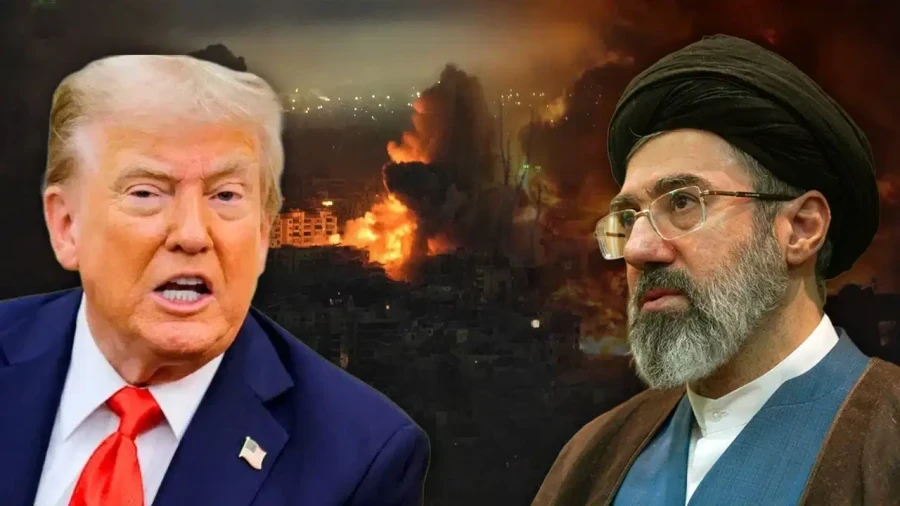
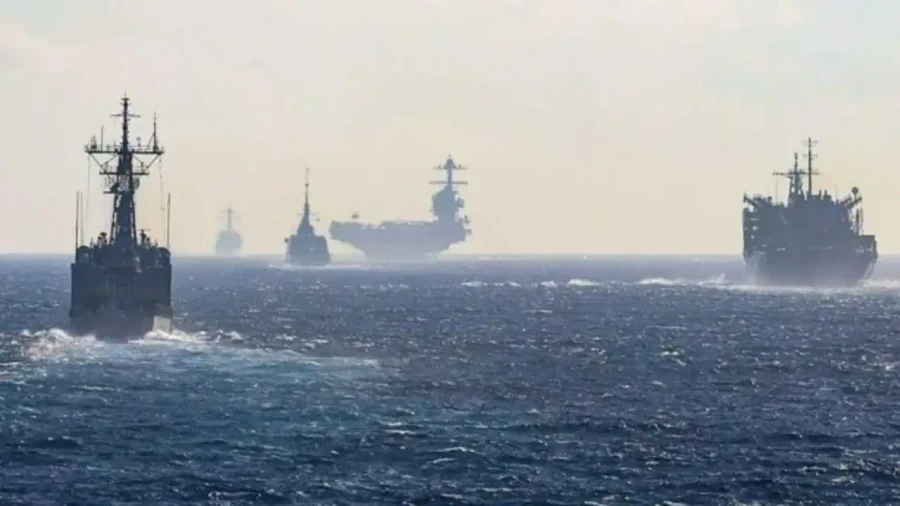
The United States military has officially claimed responsibility for an operation targeting a commercial vessel in the Gulf of Oman, marking a significant escalation in the ongoing maritime tensions in the Middle East. According to reports released on Friday, American forces fired upon and disabled the engine room of the M/T Lavin, a commercial ship that was allegedly attempting to break through a blockade of Iranian ports. This incident occurred against a backdrop of intensifying conflict, as Iran simultaneously targeted American installations situated around the Persian Gulf. The confrontation has now entered its 13th consecutive night of active hostilities, with no immediate signs of a de-escalation between Washington and Tehran. As diplomatic efforts remain uncertain and military actions intensify, both nations have taken steps that observers fear will further inflame the regional crisis.
Details of the Operation Against M/T Lavin
Captain Tim Hawkins, a spokesperson for the US Central Command, provided specific details regarding the military action to the Associated Press. He stated that the US military was forced to disable the M/T Lavin after the vessel made at least 4 separate attempts to bypass the established blockade in the Gulf of Oman. Captain Hawkins emphasized that the crew of the ship had been given multiple warnings to cease their course and comply with military orders. However, these directives were reportedly ignored, leading the US military to target the ship's engine room with gunfire to render the vessel stationary, while this marks the second commercial ship to be disabled since the military re-imposed the blockade in the region. In addition to this direct action, the US Central Command confirmed that it has successfully rerouted 12 other vessels to prevent further incidents.
Diplomatic Stance and Regional Warnings
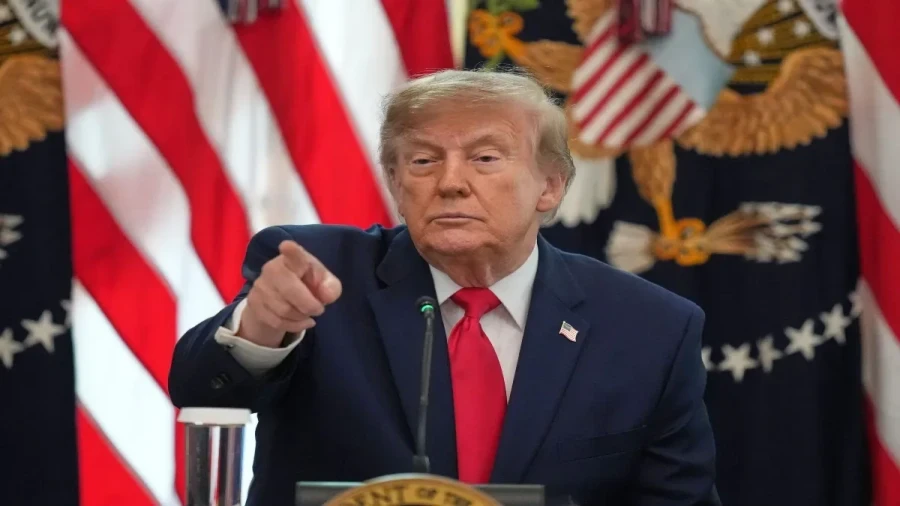
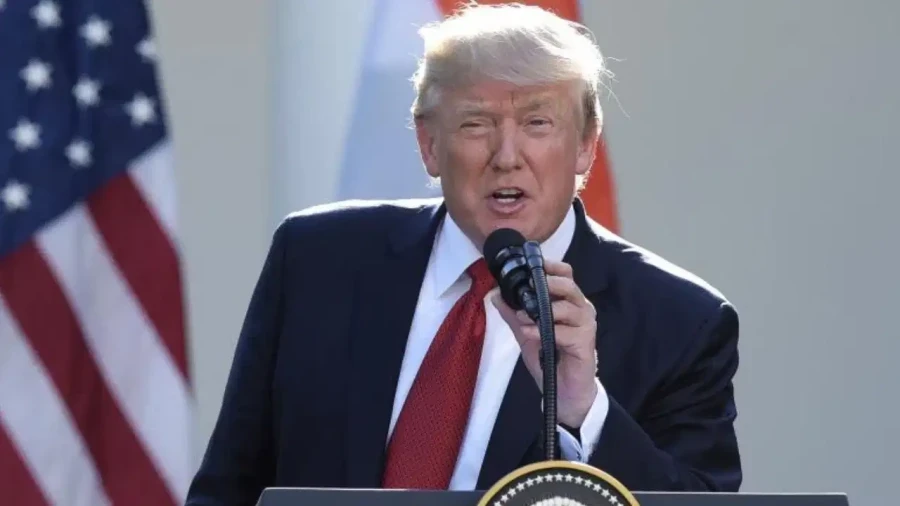
The geopolitical situation has prompted US embassies across the Middle East to issue urgent warnings to American citizens residing in the area. These advisories suggest that options for departing the region may become increasingly limited as the conflict persists. On the other side, Iran's Revolutionary Guard has issued its own set of warnings, advising residents of neighboring countries to maintain a safe distance from any military bases housing American troops. Despite the daily military engagements, US President Donald Trump described the current discussions with Iran as the most serious to date. Speaking to reporters, Trump stated that while the US is fully prepared and ready for action, they're also engaged in dialogue. He further noted that he's in no rush to conclude the conflict, signaling a strategy of sustained pressure.
Iran's Defiance and Strategic Chokepoints
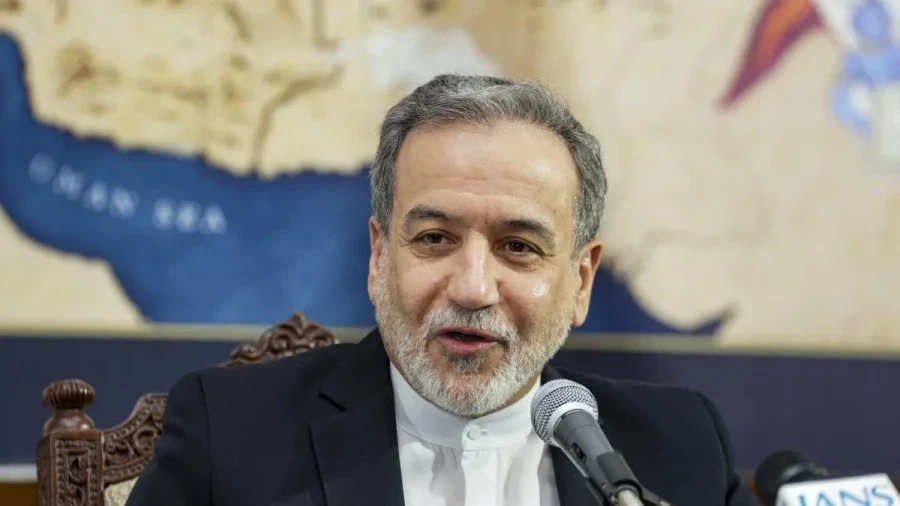
Iranian Foreign Minister Abbas Araghchi has remained firm in his country's stance, asserting that Iran won't succumb to what he termed as American bullying, while in an interview with the semi-official Tasnim news agency, Araghchi highlighted ongoing discussions with global powers such as China and Russia, nations that frequently hold differing views from the United States. He warned that the Islamic Republic wouldn't be intimidated by threats or pressure, while at the heart of this struggle is the Strait of Hormuz, a vital artery for global energy supplies. Iranian actions have effectively closed this route, leading to a sharp increase in fuel prices and widespread economic instability. The international benchmark, Brent crude oil, was trading at approximately 96 US dollars on Friday. While this was a slight decrease, it remains Notably higher than the pre-war price of approximately 72 US dollars per barrel. In the United States, motorists have felt the impact at the pump, with gas prices reaching an average of 4 dollars 11 cents per gallon.
Widespread Military Strikes and Humanitarian Concerns
The conflict has spread to various locations, including Erbil in northern Iraq, where US-led forces reportedly shot down 5 explosive-laden drones near an airport housing American military personnel. Meanwhile, the Iranian Revolutionary Guard claimed to have targeted the Udairi base in Kuwait, destroying 3 sheds used for storing ammunition and supplies. They also claimed an attack on a watchtower belonging to the US Navy's Fifth Fleet in Bahrain. In response to continued threats, the US conducted strikes on a Revolutionary Guard naval base in northern Iran and on Qeshm Island, a known hub for drone-boats. Explosions were also reported in Isfahan province, home to a major airbase and nuclear facilities, as well as in Khuzestan and Fars provinces. Beyond the military and economic toll, the human cost is mounting. The Iranian Health Ministry reports that 3,434 people have been killed since the start of the war. On top of that, the International Maritime Organization has raised alarms about approximately 6,000 sailors stranded on 400 ships near the Strait of Hormuz, many of whom are without adequate food, water, or medical care. UN Human Rights Chief Volker Turk has called for immediate action to assist these individuals caught in the crossfire.
Uncertain Path to Peace
Despite a meeting between Pakistan's Foreign Minister Ishaq Dar and his Iranian counterpart Araghchi, diplomatic breakthroughs remain elusive. Araghchi has dismissed the need for further mediators, insisting that the US must change its stance. The conflict, which saw a major escalation on February 28 when the US and Israel launched attacks on Iran, continues to draw in regional players. Israeli Prime Minister Benjamin Netanyahu is scheduled to visit the US next week to meet with Trump, a move that could further define the future trajectory of this intense regional struggle.