
- India,
- 06-Oct-2026 01:02 PM IST



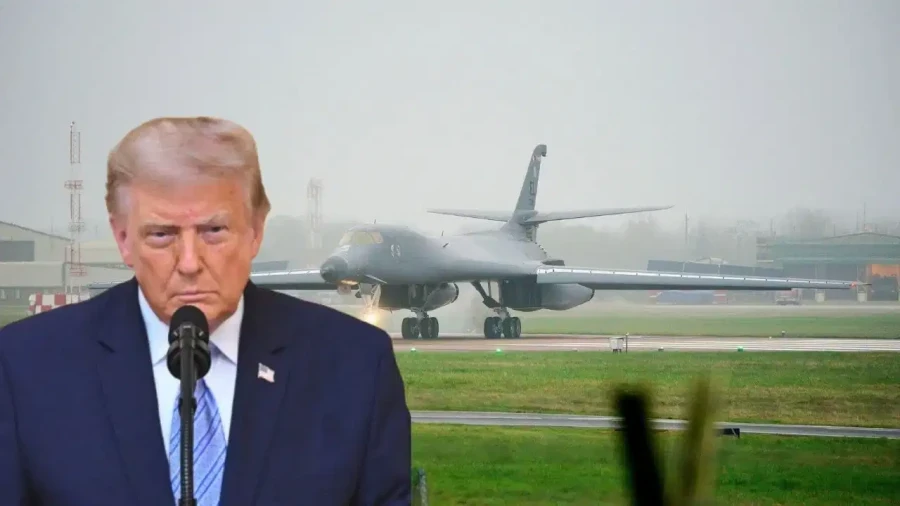
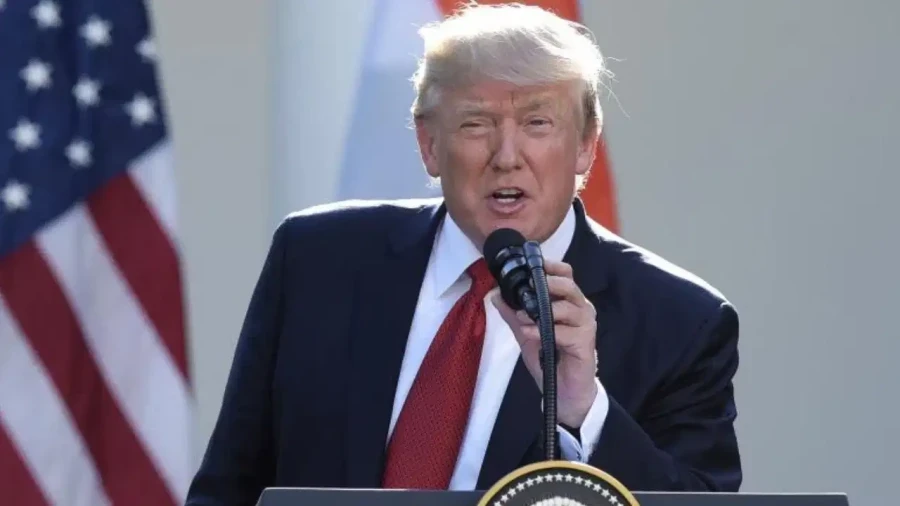
United States President Donald Trump confirmed on Monday, October 5, that the US military has officially withdrawn its fleet of B-1 bomber aircraft from the Royal Air Force (RAF) Fairford airbase in the United Kingdom. This significant military movement comes amid heightened tensions and specific intelligence regarding potential threats linked to Iran. President Trump addressed the media to clarify the reasoning behind this sudden relocation, emphasizing that the safety of American military assets and personnel remains a top priority for his administration.
The Decision to Relocate Strategic Assets
During a press briefing, President Trump acknowledged that the decision to pull back the B-1 bombers was a direct response to perceived threats. He stated that the United States had an inkling of potential danger at the RAF Fairford base. Trump questioned the logic of keeping such high-value assets in a vulnerable position when they could be moved with minimal financial impact. He remarked that it costs very little to move these aircraft and asserted that if a threat is identified, the US won't hesitate to relocate its equipment. Also, the President claimed that the US authorities have information regarding the individuals who issued the threats and suggested a strong likelihood of their connection to Iran.
Security Incidents and Investigations at RAF Fairford
The withdrawal follows a series of security concerns at the RAF Fairford airbase, which has historically served as a strategic launch point for US operations, including recent strikes against Iranian-linked targets. Reports from the Associated Press indicate that the US Air Force decided to move the B-1 bombers back to their home bases in the United States following an investigation into a suspected terrorist plot targeting the facility. This investigation was triggered by a security incident that occurred at the base in September. In connection with these concerns, a British-Iranian citizen was recently arrested in London on suspicion of plotting a terrorist attack. While six individuals were initially detained during the investigation, they were later released, but the heightened state of alert persisted.
Vance and Rubio Offer Differing Perspectives
Vice President JD Vance supported the decision, describing the removal of the bombers as a necessary precautionary measure. Vance was vocal in his criticism of Iran, accusing the nation of being a state sponsor of terrorism for nearly 49 years. He stated that the US remains extremely vigilant because they believe the Iranian state is continuing its long-standing pattern of engaging in terrorist activities against the United States and its allies. On the other hand, Secretary of State Marco Rubio provided a slightly different context, downplaying a direct link between the sudden withdrawal and a specific Iranian plot. Rubio suggested that the Pentagon frequently rotates and moves its resources globally based on evolving operational needs and strategic requirements.
Diplomatic Friction and Iran Response
The situation has also sparked a diplomatic exchange between the UK and Iran. Iranian Foreign Minister Abbas Araghchi took to social media to challenge the suggestions made by British officials regarding Iranian involvement. Araghchi's comments were a direct response to British Prime Minister Andy Burnham, who had suggested that there were strong indications of Iranian involvement in the incident at RAF Fairford. Araghchi criticized the UK's direction, suggesting that the release of alleged terrorists working for foreign states spoke volumes about the situation, while he maintained that the accusations were misplaced and that the UK was heading in the wrong direction with its diplomatic and security assessments.