
- India,
- 25-Oct-2026 05:33 PM IST



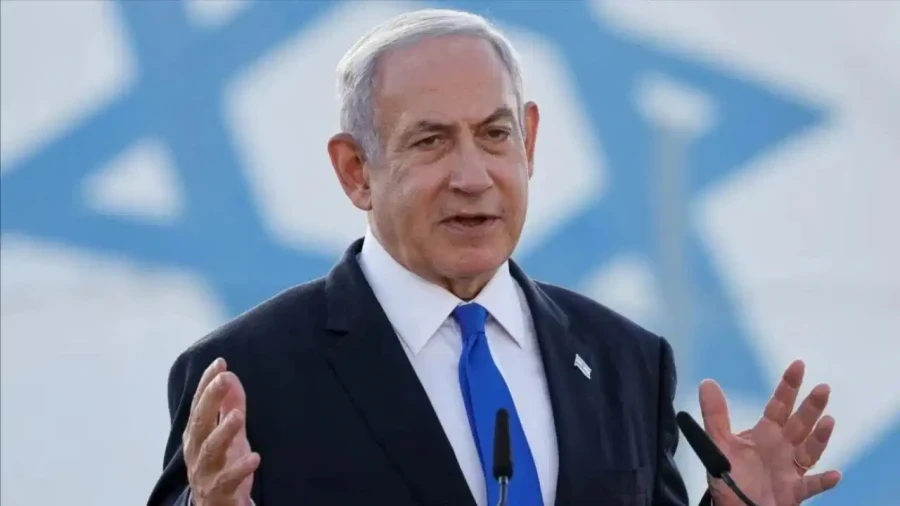
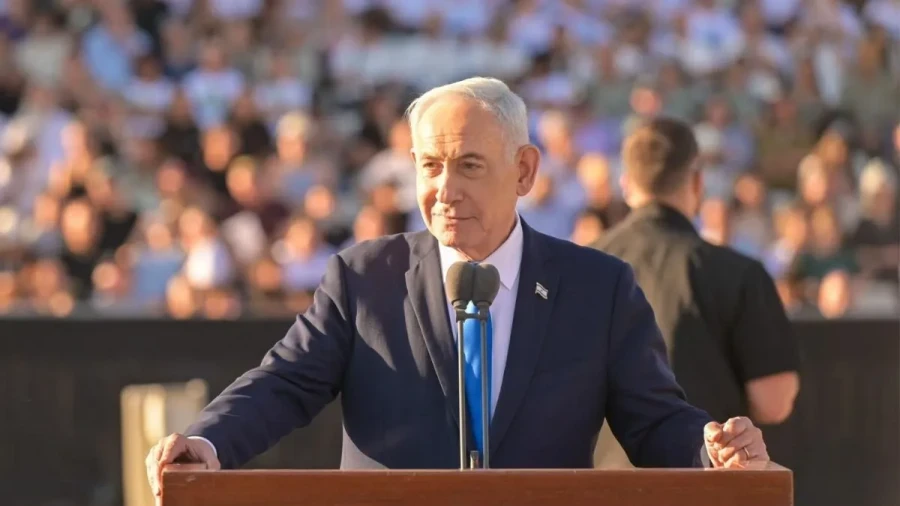
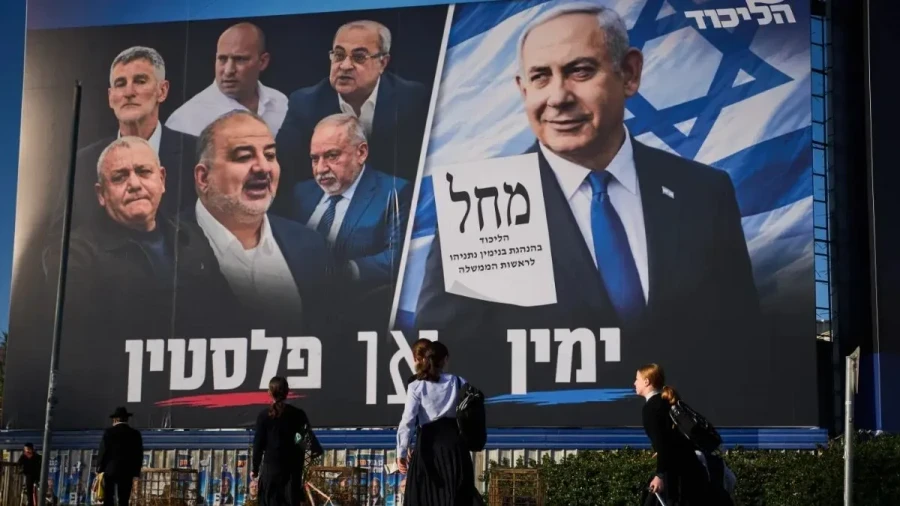
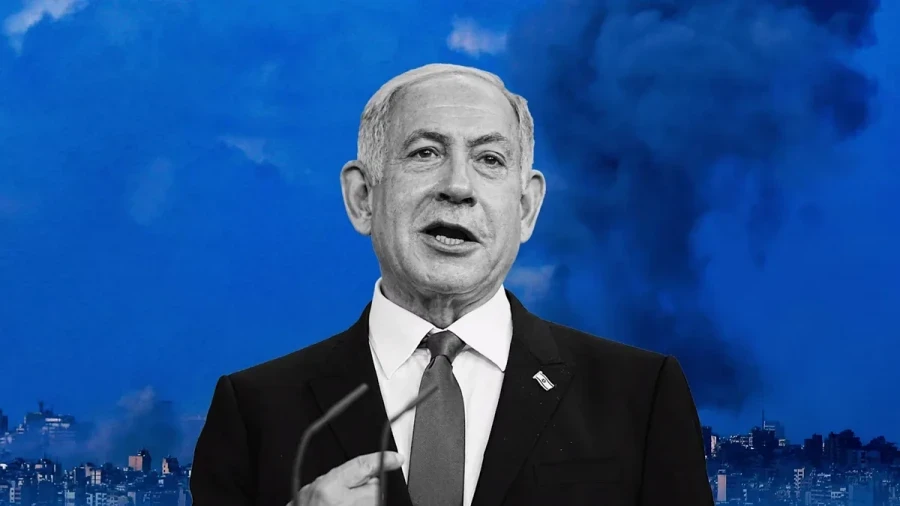
Prime Minister Benjamin Netanyahu's political survival is at stake in the upcoming Israeli general election scheduled for October 27. Voters will cast ballots for all 120 seats in the country's parliament, the Knesset. The number of seats secured by any party or coalition will determine who forms the next government. The ultimate challenge will be securing the support of 61 lawmakers. Recent polls estimate that Netanyahu's religious-nationalist bloc could win 50 seats, while the opposition bloc is projected to secure 52 seats. Arab parties are estimated to win around 13 seats, making them a crucial factor in the government formation equation. These are poll estimates, not final election results, while in Israel, voters cast ballots for political parties rather than individual candidates, and seats are distributed proportionally based on vote shares. 25 percent of the total vote to enter parliament. Post-election coalition talks are essential for forming a government, meaning winning the most seats doesn't guarantee power.
8 Potential Outcomes for Government Formation
Following the election results, there are 8 distinct potential pathways that could shape Israel's future government.
1. Netanyahu Can Form a Government Again: Despite lagging in polls, Netanyahu's Likud party could attempt to form a government by gathering support from his traditional allies and other factions. These include Itamar Ben-Gvir's Otzma Yehudit, Bezalel Smotrich's Religious Zionism party, and ultra-Orthodox parties Shas and United Torah Judaism. If these factions successfully muster the required support, Netanyahu could return as prime minister.
2. Opposition Bloc Government Can Be Formed: Four major opposition parties have agreed to contest the election together and attempt to form a government to unseat Netanyahu. These include former military chief Gadi Eisenkot's Yashar party, Yair Golan's Democrats, Avigdor Lieberman's Yisrael Beytenu, and the Together alliance led by Naftali Bennett and Yair Lapid. The opposition will need to garner additional backing from extra lawmakers to reach a majority. Eisenkot is viewed as a potential prime ministerial candidate, though the opposition has not formally designated a leader for a joint administration.
3. Coalition with the Arab Ra'am Party: The Ra'am party, representing Israel's Arab citizens, could play a pivotal role in government formation. Its leader, Mansour Abbas, has not ruled out supporting an opposition coalition. His core priorities include curbing rising violent crime in Arab communities and reversing discriminatory housing policies. However, several opposition leaders have opposed forming a formal coalition with Arab parties, creating political hurdles despite the possibility of support.
4. Minority Government Without a Majority: If no coalition manages to secure 61 seats, an alliance might attempt to form a government with external support from other parties present in parliament. In this arrangement, allied factions wouldn't officially join the cabinet but would back the government during crucial confidence votes. The Joint List has hinted at providing such conditional support to an anti-Netanyahu coalition in exchange for steps toward a Palestinian state and action against organized crime, while nonetheless, such administrations remain vulnerable to collapse due to withdrawn support or policy disputes.
5. National Unity Government: Another alternative is a national unity government, where political rivals join forces during major national crises. In May 2020, Netanyahu and Benny Gantz formed such an administration after three inconclusive elections, though it collapsed within a year. Following the Hamas attacks in 2023, Gantz and members of his party briefly joined Netanyahu's wartime government. Whether such a coalition materializes this time will depend entirely on post-election negotiations and policy consensus.
6. Rotating Prime Minister Agreement: Political factions may also agree to share the premiership through a rotation agreement. Under this system, two leaders serve as prime minister in turns for predetermined periods. Netanyahu and Gantz signed such an agreement in 2020, though Gantz never took his turn due to the government's collapse. Similarly, Naftali Bennett and Yair Lapid established a rotation government in 2021, with Lapid taking over as caretaker prime minister in July 2022 after Bennett's majority dissolved. A similar arrangement remains possible.
7. Another Prime Minister from the Same Political Camp: If coalition negotiations stall over the candidacies of Netanyahu or top opposition figures, parties within the same political bloc could consider nominating an alternative lawmaker for prime minister. Such a consensus figure might be more acceptable to allied factions and unlock the path to government formation. However, this requires broad agreement among parties within that respective camp, keeping in mind that any candidate must secure parliamentary backing.
8. Fresh Elections if No Consensus is Reached: If no leader succeeds in gathering the necessary support, Israel could face yet another round of elections, while between 2019 and 2022, the country held five elections as rival political blocs failed to establish stable governments. Prolonged stalemates could heighten political uncertainty, with Netanyahu continuing to serve as caretaker prime minister until a new government is sworn in.
What Will Matter Most in Government Formation?
Three key factors will dictate the outcome of this election: seat distribution among coalitions, the stance and alignment of Arab parties, and the ability of opposition factions to bridge their own internal differences. While anti-Netanyahu parties share the goal of removing him from power, disagreements persist regarding governing alongside Arab parties. Conversely, the unwavering backing of Netanyahu's traditional allies will be critical to the final result. Government formation talks in Israel continue well after voting concludes, with parties allotted 28 days following the election—extendable by another 14 days—to build a coalition. If these talks fail, the nation may be forced back to the ballot box. Thus, the election results on October 27 will only reveal the first piece of the puzzle, with the ultimate picture shaped entirely by post-election coalition maneuvering.