
- India,
- 26-Oct-2026 09:04 AM IST



In a major political turning point for Brazil, Luiz Inacio Lula da Silva has secured a resounding victory in the presidential election, paving the way for him to assume power for a fourth term. 4 million votes. According to election officials and political analysts, his new historical term will officially commence on January 5, 2027. Lula's victory comes at a time when right-wing leaders close to Trump are winning elections across several Latin American countries, creating a shifting political dynamic in the region.
Lula Statement and Protection of Democracy After Victory
Addressing the nation following his monumental victory, President-elect Lula da Silva explicitly stated that the ordinary citizens of the country cast their votes specifically to save and protect democracy, while he emphasized that his administration successfully halted foreign interference and intervention through digital platforms. Outlining his policies, Lula asserted that Brazil won't operate on the dictates of any foreign nation and that the country's sovereignty remains paramount. He also promised to enhance public participation in administrative and government decisions moving forward to strengthen democracy at the grassroots level.
Latin American Politics and Opposition to US Influence
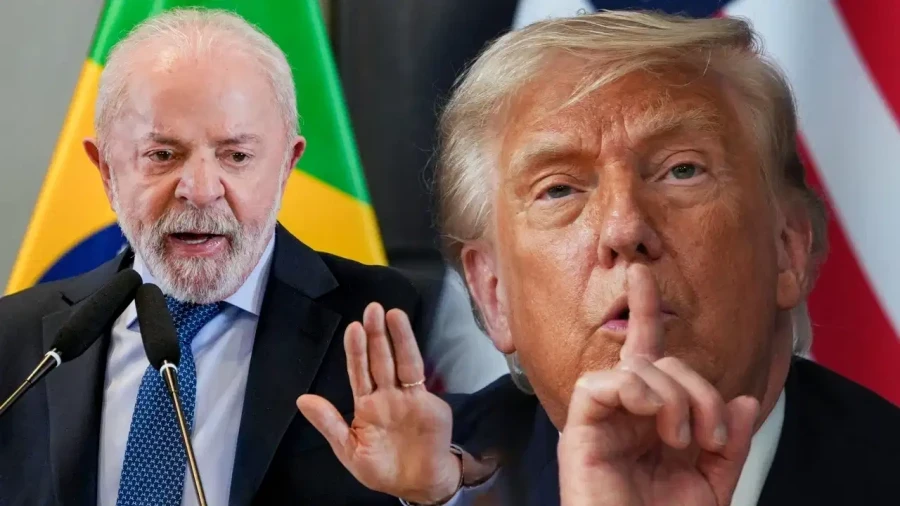
Lula's crucial victory has brought immense relief to leaders who have historically opposed the growing influence of the United States in the region. Brazil and Mexico stand as the most populous nations in the Latin American continent, and left-leaning governments will now firmly remain in power in both key countries. 6 trillion dollars annually, granting the nation a powerful standing on the global stage. Throughout his election campaign, Lula repeatedly maintained that Brazil must make its own sovereign decisions and should never succumb to American pressure. On top of that, high tariffs imposed by US President Trump on Brazilian goods have remained a major source of diplomatic tension between the two nations.
Controversy Surrounding Extension of Voting Hours
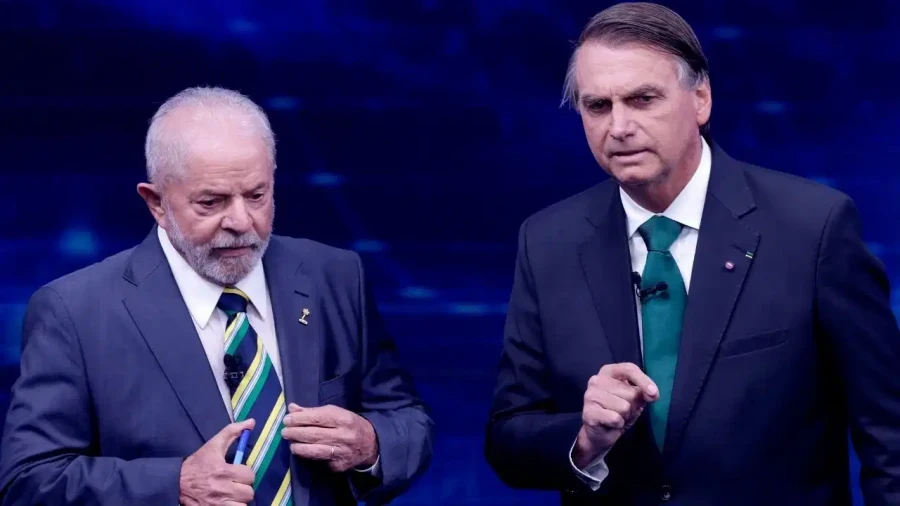
The electoral atmosphere in Brazil witnessed a major controversy regarding the extension of voting hours. Just three minutes before the scheduled closure of polling, Supreme Court Justice Cristiano Zanin issued an official order extending the voting time by two hours. This contentious decision was taken following formal requests submitted by both presidential candidates. During the voting process, Lula had highlighted severe difficulties faced by voters in securing transport buses to polling booths in Sao Paulo and Salvador. Conversely, Bolsonaro cited heavy rainfall in southern Brazil as a factor disrupting voter turnout. However, Flavio Bolsonaro dismissed the decision to extend voting hours by two hours as entirely unacceptable, announcing his intention to demand the cancellation of the entire second round of election results.
Delayed Vote Counting and Preparations for Legal Action
Due to the Supreme Court ruling, the nationwide counting of votes commenced two hours later than usual. During this period, electronic voting machines at several polling centers had already shut down and couldn't be reactivated, raising serious administrative questions. The exact number of centers where votes were cast during the extended period remained unclear. Bolsonaro's close ally Nikolas Ferreira also questioned the judicial decision, pointing out that Justice Cristiano Zanin had previously served as Lula da Silva's personal lawyer. In light of these discrepancies, Bolsonaro is reportedly preparing to appeal for formal legal action regarding the matter.
Key Issues of Inflation Crime and Corruption Scandals
In the first round of voting, Bolsonaro had secured 47 percent of the vote while Lula garnered 45 percent, setting up a fiercely contested run-off. Following the initial results, Lula Notably intensified his outreach to the youth demographic. Throughout the election campaign, escalating inflation, skyrocketing prices of essential food items, and rising crime rates emerged as the most critical issues for voters. Also, serious allegations of corruption were leveled against the families and close associates of both leaders. While Bolsonaro remained embroiled in a major corruption controversy, Lula had previously faced imprisonment in corruption cases before his convictions were legally overturned.
Political Journey of Lula and International Perspective
Lula da Silva began his political journey in the 1970s as a militant trade union leader and played a pivotal role in founding the Workers Party. He was previously elected president of the country in 2002 and 2006. Following his tenure, his close ally Dilma Rousseff became president in 2010, only to be removed from office through impeachment in 2016. In 2018, Lula intended to run for president again, but imprisonment prevented him from doing so. He was released after spending 580 days in prison when the Supreme Court annulled his sentences. He subsequently defeated incumbent President Jair Bolsonaro in 2022. Now approaching 81 years of age, Lula ranks among the oldest presidents in the Americas, matching the age of US President Trump and Nicaraguan President Daniel Ortega, who are also 81 years old.