
- India,
- 17-Jul-2026 04:35 PM IST



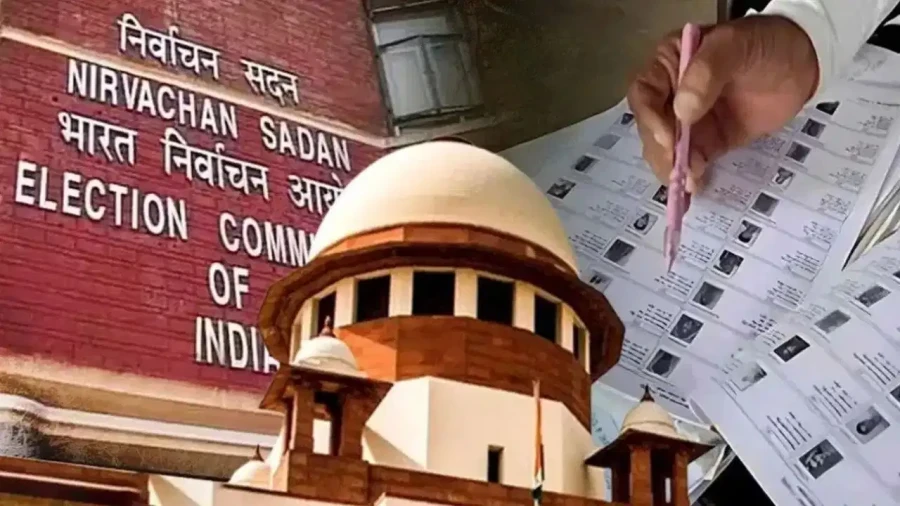
The Supreme Court of India has once again made a significant clarification regarding the powers of the Election Commission (EC), stating that the body doesn't have the authority to determine the citizenship of individuals. This observation came during a hearing on Friday concerning the West Bengal Special Intensive Revision (SIR) dispute. The apex court emphasized that the jurisdiction of the Election Commission is strictly limited to the control, direction, and supervision of the preparation of electoral rolls, while That's why, the court noted that there should be no confusion regarding the legal position on this matter.
Legal Boundaries of the Election Commission
The court further elaborated that if a tribunal decides not to include a person's name in the SIR list, the Election Commission must refer the matter of citizenship determination to the concerned ministry, while the bench clarified that the mere absence of a name from the voter list doesn't automatically result in the termination of an individual's citizenship. This distinction is crucial in maintaining the legal rights of residents who may find themselves excluded from electoral records due to administrative processes.
Hearing on Welfare Benefits and PDS
Despite the clarifications on citizenship, the Supreme Court agreed to hear a petition alleging that individuals whose names were removed from the voter list are being deprived of essential government benefits. These benefits include the Public Distribution System (PDS), the Annapurna Scheme, and other government-sponsored welfare programs. The court has scheduled the next hearing for this specific matter on 25 August. The bench, comprising Chief Justice of India (CJI) Suryakant, Justice Joymalya Bagchi, and Justice V Mohana, listened to the arguments presented by senior advocate Gopal Sankaranarayanan on behalf of the petitioner.
Concerns Over Appellate Tribunals
During the proceedings, Justice Bagchi reiterated that determining citizenship isn't a constitutional right of the Election Commission. Senior advocate Gopal Sankaranarayanan pointed out practical inconsistencies and delays caused by the functioning of 19 appellate tribunals. He argued that there are significant obstacles in the operations of these tribunals, which are adversely affecting the timely disposal of cases. The petitioner's side highlighted that these administrative hurdles create a state of uncertainty for many individuals involved in the SIR process.
Previous Observations and Rulings
Earlier on Wednesday, the Supreme Court had stated that individuals in West Bengal whose names were removed from the voter list following the SIR process would still be entitled to receive certain welfare benefits, such as subsidized rations. However, the court declined to hear a petition challenging the suspension of the petitioner's ration card. This suspension followed an order issued in June by the West Bengal Food and Supplies Department. The court directed the petitioners to approach the Calcutta High Court for relief regarding the ration card suspension.
Relief for the Election Commission in May
It's noteworthy that the Supreme Court had previously granted relief to the Election Commission in May. At that time, the court upheld the Commission's power to conduct the SIR, while the court ruled that by ordering the SIR of the voter list in Bihar, the Commission didn't violate the Representation of the People Act (RP Act). A three-judge bench of the Supreme Court delivered this judgment while addressing petitions that challenged the constitutional validity of the SIR process across several states. The court's recent comments further refine the scope of the EC's powers while protecting the fundamental rights of citizens regarding welfare and legal status.