
- India,
- 16-Jul-2026 10:27 PM IST



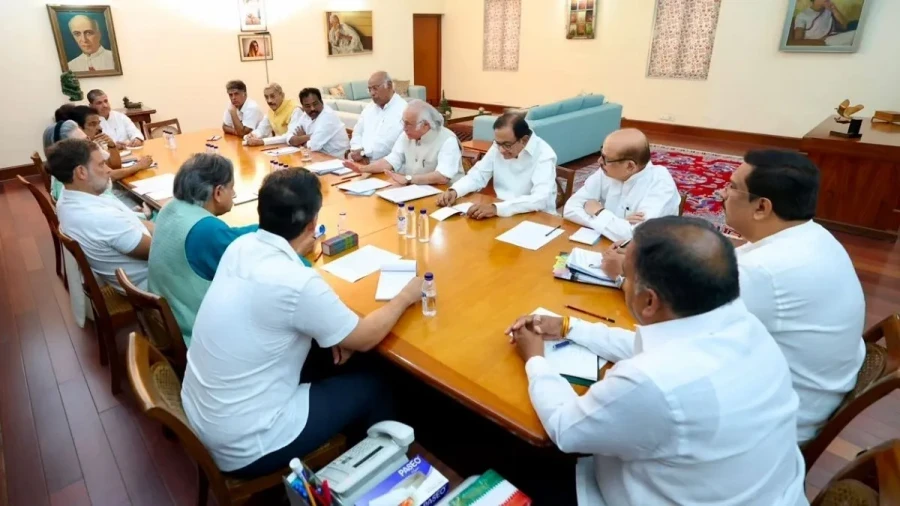
The Central Government has finalized its legislative strategy for the upcoming Monsoon Session of Parliament, prioritizing the passage of seven significant bills. This agenda includes five newly drafted bills and two pending pieces of legislation that have been under review, while ahead of the session, the government is scheduled to hold an all-party meeting on Sunday to brief various political leaders on these legislative proposals and seek a consensus for smooth parliamentary proceedings.
Strategic Legislative Agenda
According to the current list of potential bills for the Monsoon Session, there is no mention of any constitutional amendment bills at this stage. The government's primary focus remains on administrative, economic, and judicial reforms. The all-party meeting will serve as a platform for the government to discuss these bills with other political parties. If the response from the opposition is positive, the government expects a smooth passage for these bills. However, if there is significant resistance, the government may adjust its strategy accordingly.
Pending and Under-Review Bills
Two major bills that were previously introduced are set for further action in this session. The first is the Foreign Contribution (Regulation) Amendment Bill, 2026, also known as the FCRA Amendment Bill. This bill was originally introduced in the Lok Sabha on March 25, 2026, and is now slated for consideration and passing. Its primary objective is to enhance transparency regarding foreign grants entering the country. The second is the Viksit Bharat Education Foundation Bill, 2025, which was introduced on December 15, 2025. This bill was referred to a Joint Committee of both Houses, and following the submission of the committee's report, it will be taken up for discussion in Parliament.
Ordinance Replacement Bills
The government also intends to replace two existing ordinances with formal legislation. One of these is the Income Tax (Amendment) Bill, 2026. In the context of current global geopolitical instability, fluctuations in crude oil prices, and supply chain disruptions, this bill aims to strengthen India's sovereign debt market. It's designed to attract global capital flows and increase liquidity in the market. On top of that, the Supreme Court (Number of Judges) Amendment Bill, 2026, will be introduced to formalize an ordinance. This bill proposes to increase the sanctioned strength of Supreme Court judges from 33 to 37, excluding the Chief Justice of India, to ensure the faster disposal of pending cases.
New Legislative Proposals
Three entirely new bills are also part of the government's agenda. The Registration of Births and Deaths (Amendment) Bill, 2026, seeks to amend Section 13(3) of the original 1969 Act, which was previously amended in 2023. This amendment aims to tighten and streamline the rules for delayed registration of births and deaths. Another significant proposal is the Prevention of Insults to National Honour (Amendment) Bill, 2026. This bill will amend the 1971 Act to introduce stricter punitive provisions against acts that disrespect national symbols and national honor.
Focus on MSME and Economic Reforms
The Micro, Small and Medium Enterprises Development (Amendment) Bill, 2026, is another key highlight. This bill is designed to promote 'Ease of Doing Business' and trust-based regulations within the MSME sector. It also aims to strengthen the mechanism for addressing delayed payments and grant more powers to the states. Also, the government will present demands for excess grants for the year 2022-23, which will be subject to discussion and voting in Parliament. The upcoming session is expected to be heavily focused on economic reforms and strengthening judicial and administrative frameworks. While the government is moving forward with these bills, it's believed that constitutional amendments regarding delimitation and women's reservation will only be pursued once the government is confident of a two-thirds majority.