
- India,
- 04-Jul-2026 05:16 PM IST



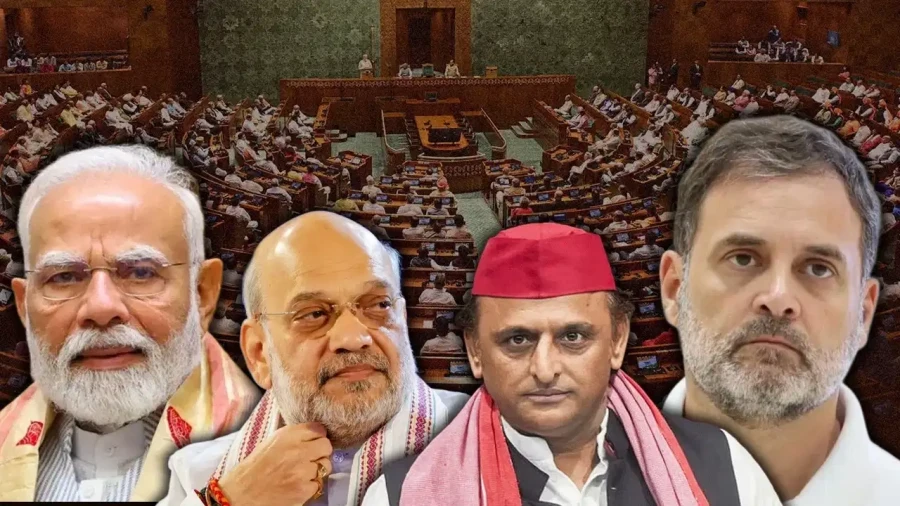
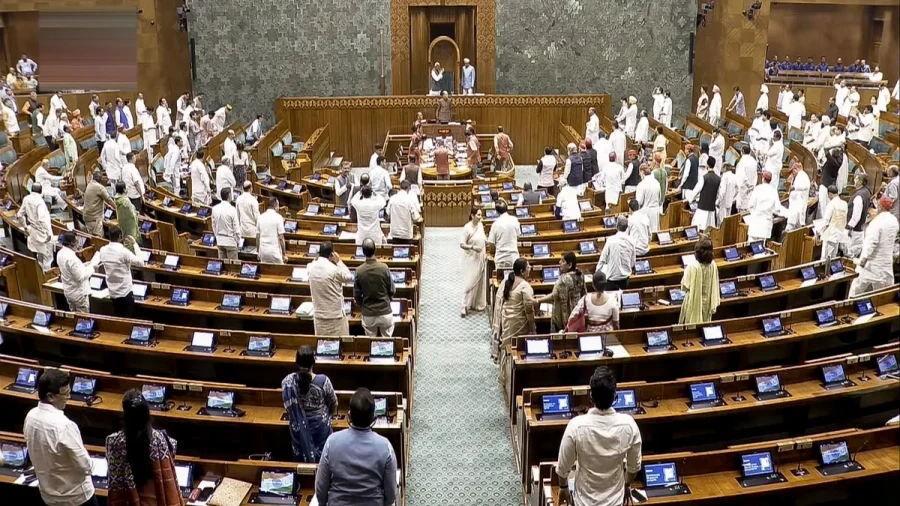
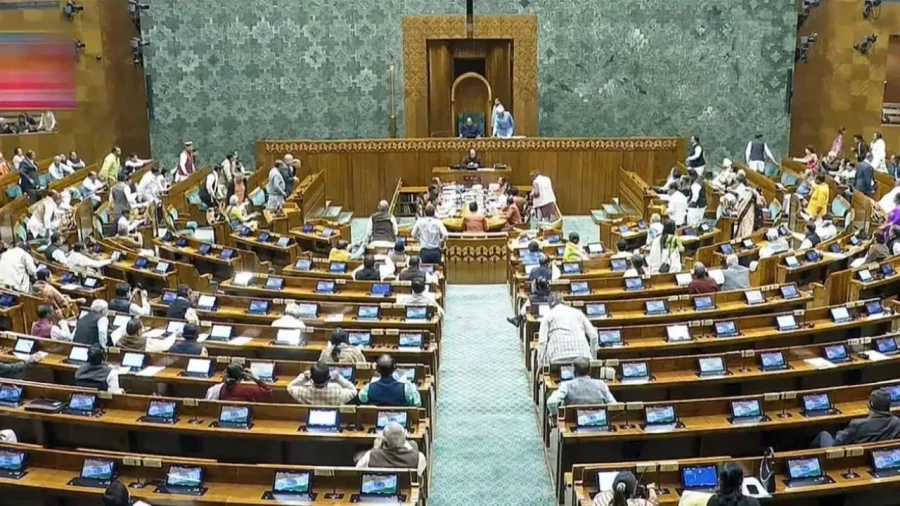
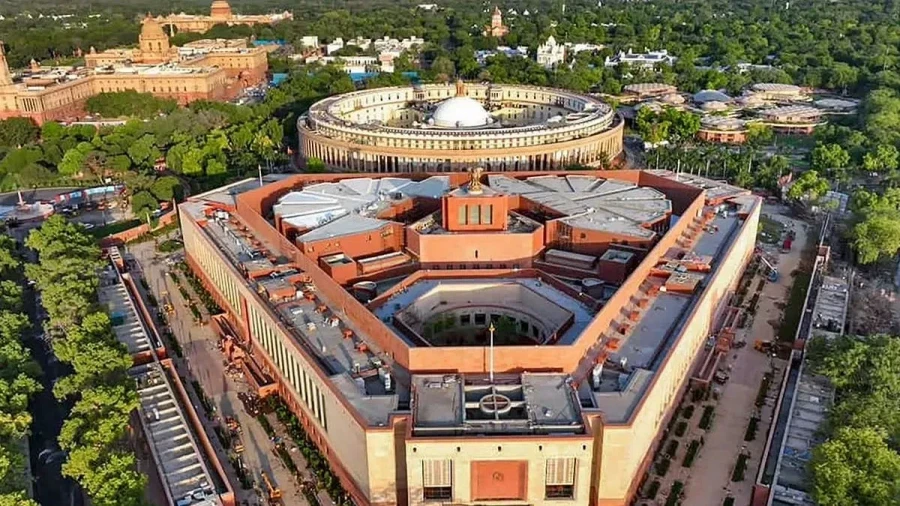
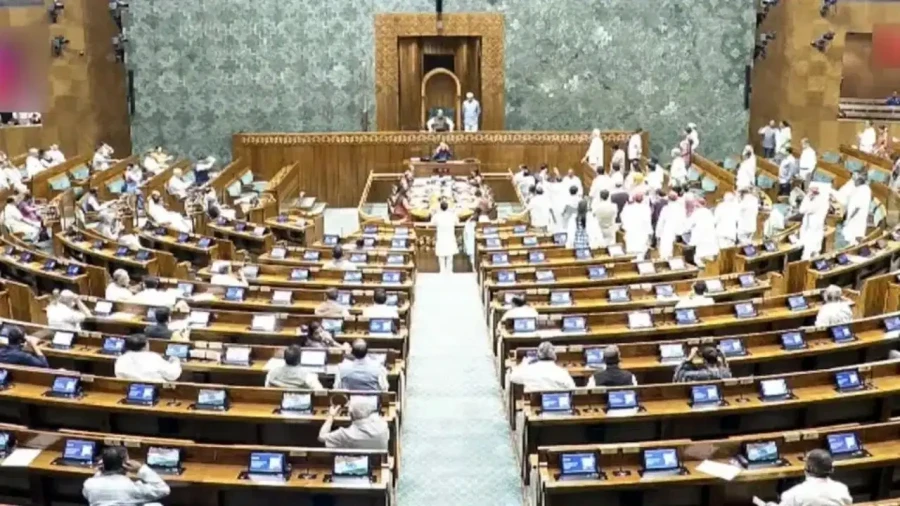
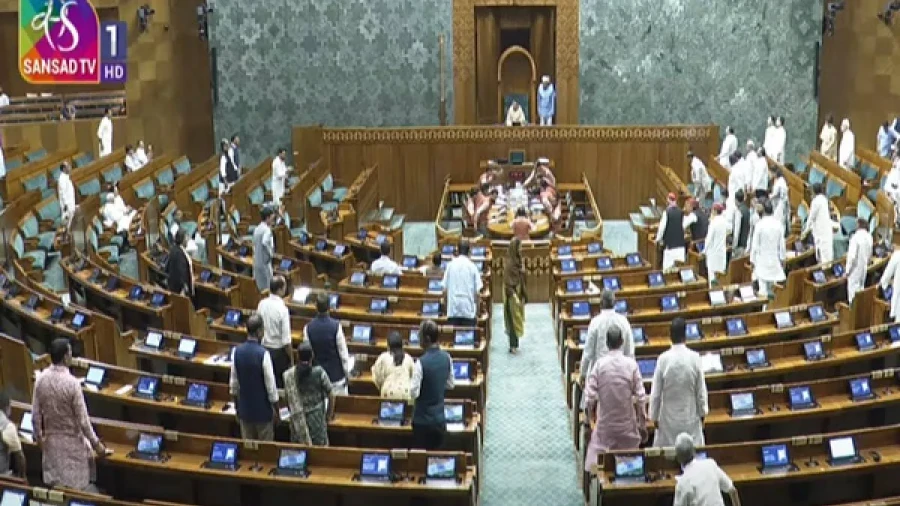
Union Minister for Parliamentary Affairs, Kiren Rijiju, officially announced on Saturday that the upcoming Monsoon Session of Parliament is scheduled to commence on July 20, 2026. The session, which has received the formal approval of President Droupadi Murmu, will conclude on August 13, 2026. This announcement sets the stage for what is expected to be a high-stakes legislative period, with the government aiming to push through several critical bills while the opposition prepares to challenge the treasury benches on various national concerns, while the Minister expressed his optimism regarding the session, stating that he hopes for constructive debates, meaningful discussions, and decisive actions on issues of national importance.
Session Schedule and Presidential Approval
According to the details shared by Minister Kiren Rijiju, the President of India, Droupadi Murmu, acting on the recommendation of the Government of India, has approved the summoning of both Houses of Parliament for the Monsoon Session of 2026. The session is slated to begin on July 20, 2026, and will run until August 13, 2026. The 24 day duration of this session is slightly shorter than the previous year's schedule, but the legislative agenda remains packed with significant proposals. The government is expected to introduce several key bills during this period, which could lead to intense deliberations between the ruling coalition and the opposition parties.
Comparison with the 2025 Monsoon Session
Reflecting on the parliamentary calendar of the previous year, the Monsoon Session of 2025 was notably longer. It spanned 32 days, starting from July 21, 2025, and ending on August 21, 2025. During that period, the Parliament managed to pass 15 bills across both the Lok Sabha and the Rajya Sabha. In contrast, the 2026 session has been scheduled for 24 days. Despite the shorter timeframe, the government is expected to introduce a variety of essential legislations that could have far-reaching impacts on the country's legal and social framework. The reduction in the number of days has raised questions about the time available for detailed discussions on each bill.
Political Realignment: TMC and UBT Rebels
This session will be particularly significant as it marks the first gathering of Parliament following major internal shifts within two prominent opposition parties: the Trinamool Congress (TMC) led by Mamata Banerjee and the Shiv Sena (UBT) led by Uddhav Thackeray. In the TMC, a substantial rebellion has occurred, with 20 out of the 28 Lok Sabha members deciding to go against the party leadership. These members have expressed their support for the National Democratic Alliance (NDA) led by the Bharatiya Janata Party (BJP), while similarly, the Shiv Sena (UBT) has seen a split, where 6 out of its 9 Lok Sabha MPs have joined the Eknath Shinde-led faction of the Shiv Sena. These developments have Notably bolstered the NDA's numerical strength in the lower house, while however, the final status of these rebel members, who are seeking recognition as separate groups, remains contingent on the decision of Lok Sabha Speaker Om Birla.
Dynamics in the Rajya Sabha and Legislative Agenda
The political landscape in the Rajya Sabha has also seen changes. Following recent elections to the Upper House, the NDA's membership count has increased, providing the ruling coalition with a more stable footing. This session is viewed as a critical juncture for both the NDA and the INDIA bloc. The previous Budget Session was characterized by some as disappointing, particularly because a key Constitutional Amendment Bill failed to pass through the Lok Sabha. There are unconfirmed reports suggesting that the government might attempt to re-introduce this bill during the upcoming Monsoon Session, although no official confirmation has been provided yet. The increased strength in the Rajya Sabha might give the government more confidence in pushing its legislative agenda.
Opposition Strategy and Key Issues
The opposition, under the banner of the INDIA bloc, is expected to make the session a stormy one. They've identified several sensitive issues to corner the government, while among the primary concerns are allegations regarding the theft of offerings at the Ram Mandir and the recurring problem of paper leaks in various national-level examinations. These issues are likely to lead to heated exchanges and potential disruptions as the opposition seeks accountability from the government on matters of public trust and administrative integrity. The session is anticipated to be highly contentious, with both sides preparing for a rigorous political battle on the floor of the house.