
- India,
- 04-Jul-2026 05:34 PM IST



The Government of India and leading automobile manufacturers have jointly addressed the growing confusion and misleading claims circulating on social media platforms regarding E20 ethanol-blended petrol. Experts have categorically stated that claims such as ants being attracted to petrol tanks, engine failure, rusting, or damage to vehicle components have no scientific basis. Citizens are strongly urged to rely on official information and scientific facts rather than viral videos that lack any verified evidence.
Years of Rigorous Testing Before Implementation
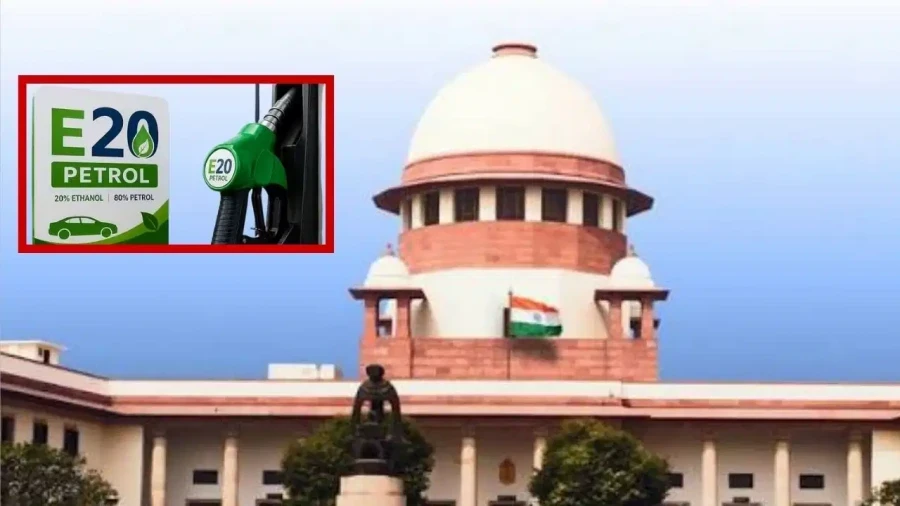
During a recent press conference, officials from major automobile companies emphasized that the E20 petrol program wasn't implemented overnight or without preparation. This initiative is the result of several years of intensive scientific study, research, and extensive field testing across various conditions. Only after these rigorous processes were successfully completed did the government decide to implement it across the country in a phased manner. Currently, E20 petrol is available at more than 77000 petrol pumps nationwide, all of which strictly adhere to the Bureau of Indian Standards (BIS) norms.
No Evidence of Damage to Older Vehicles
Dr, while rahul Bharti, Senior Executive Officer (Corporate Affairs) at Maruti Suzuki, shared significant insights regarding the compatibility of older vehicles with the new fuel blend. He stated that the company has conducted extensive tests using E20 petrol even on E10-compliant cars manufactured before 2023. Data collected from these tests and the vast service network showed no evidence that E20 caused any additional damage to engines, fuel tanks, pipelines, or other critical components. Also, during the routine servicing of millions of vehicles, no unusual or systemic complaints related to E20 fuel have been reported by customers or technicians.
The Myth of Ants and Sugar Content Clarified
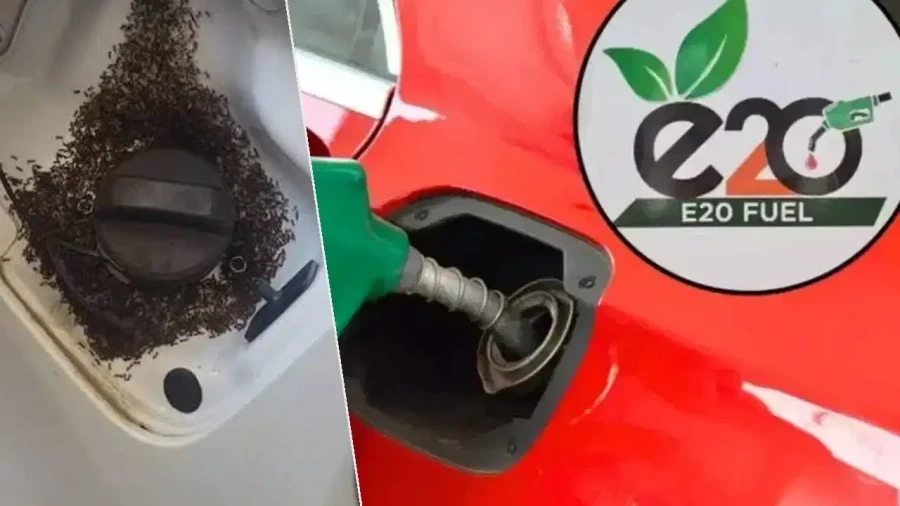
One of the most widely circulated claims suggests that ethanol-blended petrol attracts ants due to sugar content. Experts have clarified that the chemical process of producing ethanol ensures it doesn't contain sugar, making the idea of ants being attracted to fuel tanks scientifically impossible, while there is no documented evidence to support such claims. Toyota Kirloskar officials mentioned that they investigated a specific case that went viral and found that the issue was actually caused by fuel adulteration and the presence of water in the tank, not the ethanol content, while once the contaminated fuel was drained and the tank and fuel lines were cleaned, the vehicle functioned normally without any issues.
Strategic Importance for Energy Security and Environment
The E20 program is a critical step toward enhancing India's energy security and environmental sustainability. According to experts, the primary objectives of this program are to reduce India's heavy dependence on expensive crude oil imports, Importantly lower carbon emissions from vehicles, and create a strong demand for ethanol, which directly benefits the farming community. Ethanol-blended fuels have been used successfully and safely in many countries around the world for decades, and India is following this proven global standard to ensure a cleaner, greener, and more self-reliant future for its transport sector.