
- India,
- 04-Jul-2026 03:08 PM IST



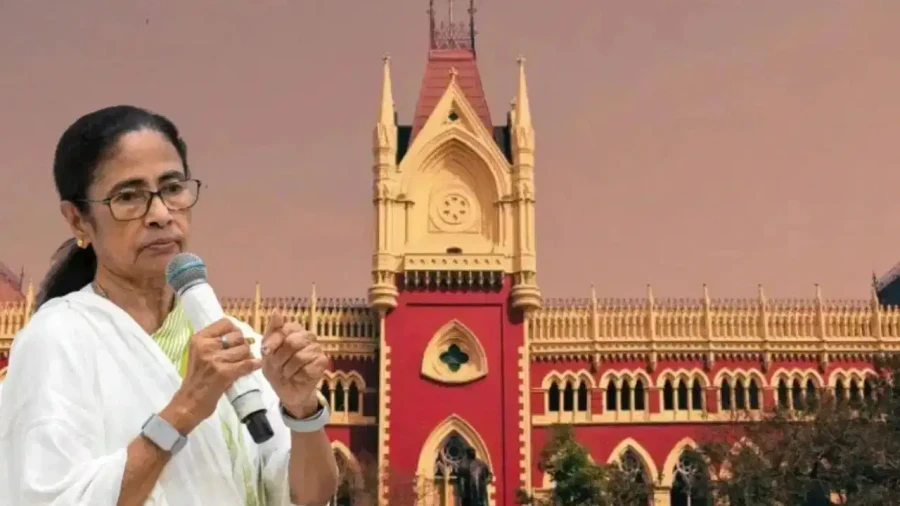
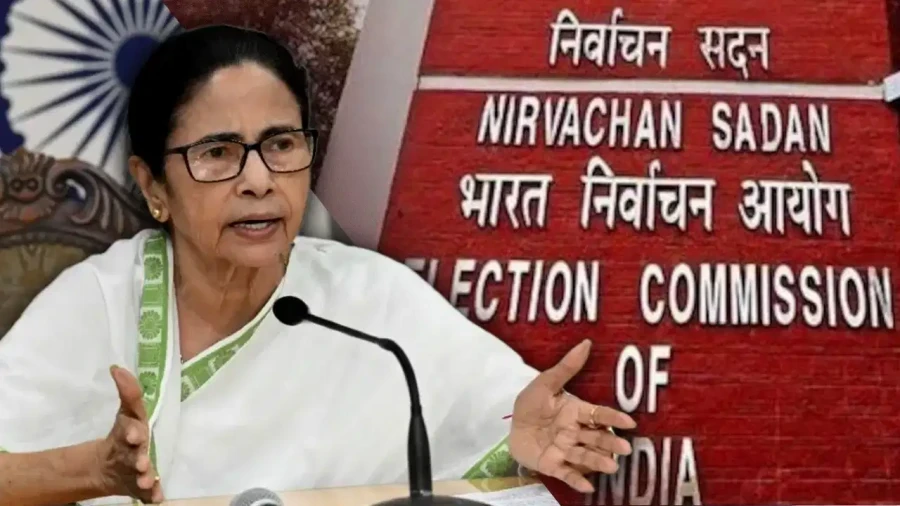
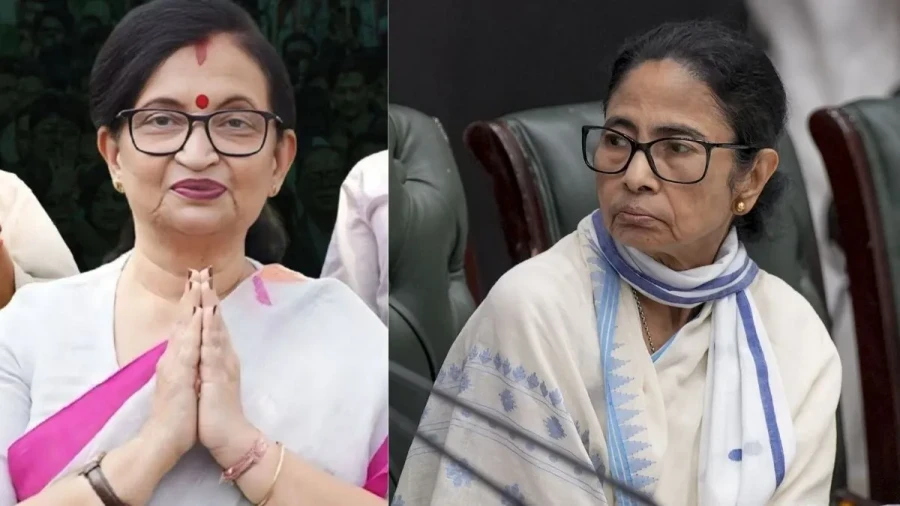
In a major political development that has sent shockwaves through the Trinamool Congress (TMC), Mamata Banerjee has faced another significant setback, while chandrima Bhattacharya, who is considered one of the closest and most trusted aides of the former West Bengal Chief Minister, has officially resigned from her position as the State President of the party. This move comes as a surprise to many within the political circles of West Bengal, as Bhattacharya was seen as a pillar of support for the party leadership during challenging times.
The resignation isn't limited to just the post of State President. Reports indicate that Chandrima Bhattacharya has stepped down from all positions she held within the TMC. She has formally sent her resignation letter to Mamata Banerjee, marking a clear departure from the party's core leadership. This development is particularly striking because it has occurred within a very short span of time since she took over the responsibilities of the state unit.
Resignation Within a Month of Appointment
One of the most notable aspects of this resignation is the timing. Chandrima Bhattacharya has decided to leave her post within just one month of taking charge, while it was only on the 3rd of last month that Mamata Banerjee had appointed her as the State President of the Trinamool Congress. The swiftness of her departure has raised several questions about the internal dynamics and the current state of affairs within the party. Her exit is being viewed as a major blow to Mamata Banerjee's efforts to stabilize the party structure after recent political challenges.
Profile of Chandrima Bhattacharya
Chandrima Bhattacharya has been a prominent face in the West Bengal government led by the TMC. She has held several key ministerial portfolios, showcasing her importance in the administration. Her roles included serving as the Minister of State for Finance, Health and Family Welfare, Land Reforms, and Refugee and Rehabilitation. Beyond her political career, Bhattacharya is known as a sharp and articulate leader who also has a background in the legal profession as a practicing lawyer. Her multifaceted experience made her a valuable asset to Mamata Banerjee's inner circle.
Growing Challenges for Mamata Banerjee
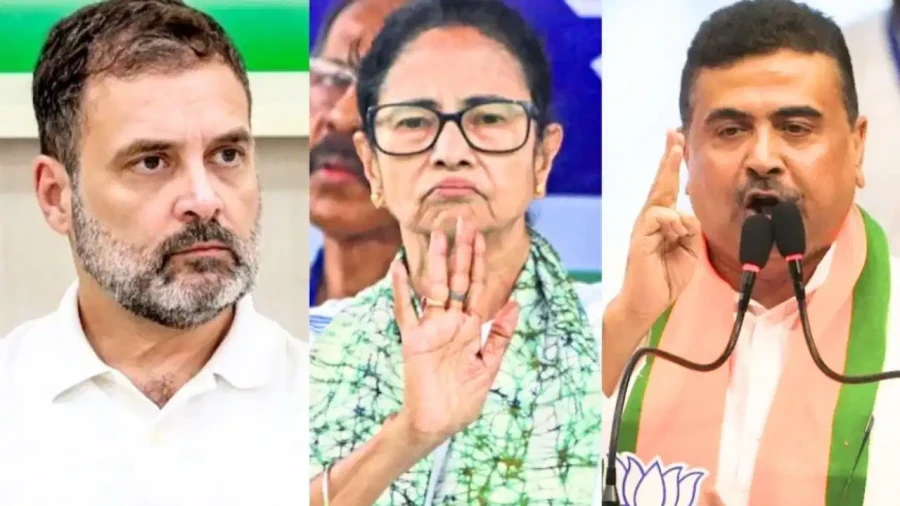
This resignation comes at a time when Mamata Banerjee is already facing intense political pressure from various quarters. The departure of such a close associate is likely to add to the worries of the party leadership. It has been observed that several prominent faces within the party are distancing themselves from Mamata Banerjee and her nephew, Abhishek Banerjee. Many are reportedly joining rebel factions, creating a sense of instability within the TMC. The ability of Mamata Banerjee to navigate this political storm and keep the party united is now under close scrutiny.
Post-Election Turmoil and Internal Factionalism
The difficulties for Mamata Banerjee and Abhishek Banerjee have intensified following the Trinamool Congress's defeat in the recently held assembly elections in West Bengal. Since the election results, the party has been grappling with severe internal factionalism. One leader after another has been leaving the party, signaling a deep-seated discontent. Chandrima Bhattacharya's decision to quit is seen as a continuation of this trend, given her long-standing proximity to the party supremo.
The situation within the TMC appears increasingly precarious as the rebellion grows. Prior to Bhattacharya's resignation, 20 MPs from the TMC had already raised the banner of revolt. This rebel group has reportedly discussed the possibility of merging with the National Citizens Party of India. With such a large number of representatives showing signs of dissent, the resignation of a high-ranking official like the State President further complicates the path ahead for the Trinamool Congress leadership.