
- India,
- 04-Jul-2026 06:23 AM IST



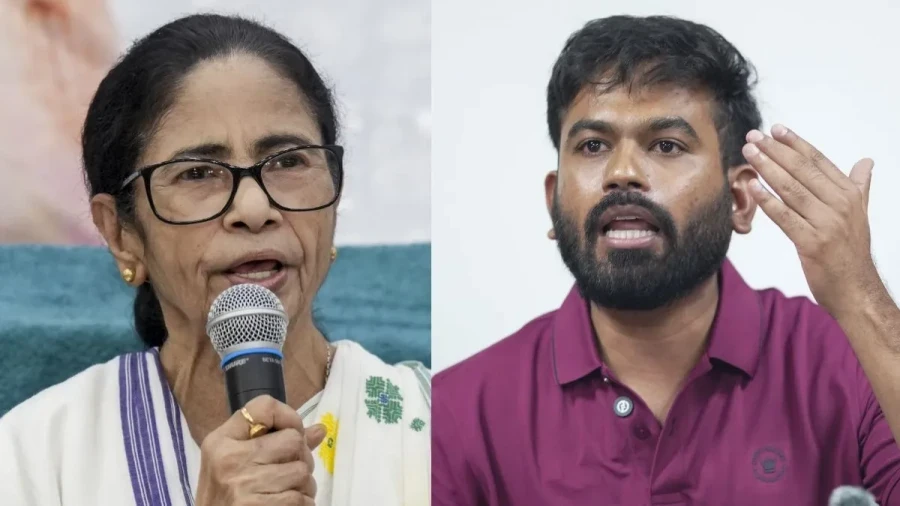
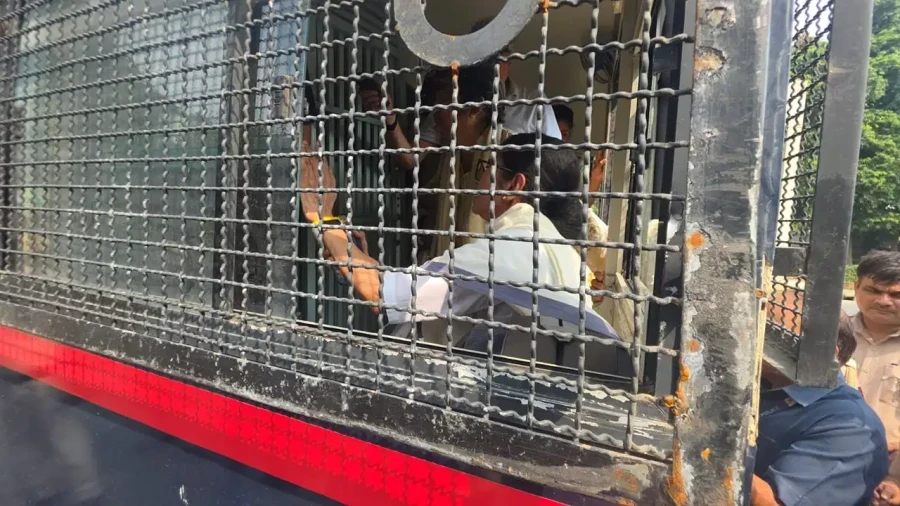
The internal power struggle within the Trinamool Congress (TMC) has taken a dramatic turn as a rebel faction, led by expelled MLA Ritabrata Banerjee, claimed control over the party's organizational headquarters in Kolkata on Friday. This move comes just a day after the group approached the Election Commission of India to stake their claim over the party's official name and its iconic election symbol, while the escalation has sent shockwaves through the political landscape of West Bengal, signaling a deep divide within the ruling party.
The Seizure of the Party Office
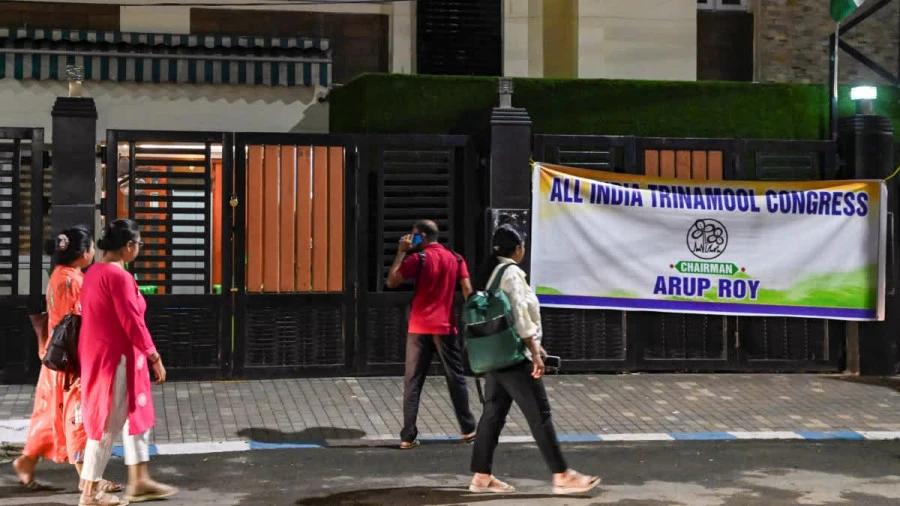
In a bold move that directly challenges the authority of West Bengal Chief Minister Mamata Banerjee, the faction led by Ritabrata Banerjee, who serves as the Leader of the Opposition in the West Bengal Assembly, took physical possession of the party office. Upon seizing the premises, the group asserted that they represent the real Trinamool Congress. To emphasize their stance, they replaced existing signage with a new banner that conspicuously omitted Mamata Banerjee's name, instead naming Arup Roy as the party president. This symbolic act marks a significant departure from the party's long-standing leadership structure.
The office in question, known as the Metropolitan office, has been functioning as the state headquarters for the TMC since 2022. The party had moved its operations to this location after its original headquarters near the EM Bypass was acquired for reconstruction purposes. Since then, it has served as the nerve center for the party's organizational activities, making its seizure a major tactical blow to the faction loyal to Mamata Banerjee.
Rebel Leaders Assert Authority
Sandipan Saha, a prominent leader within the rebel faction, spoke to the media following the takeover. He stated that the office now belongs to their group and that they've taken full responsibility for it. Saha emphasized that all future activities and organizational decisions of the party would be conducted from this very location. The rebels appear determined to establish a parallel administration, further complicating the legal and political status of the TMC.
The takeover wasn't a solitary act but a coordinated effort involving several senior leaders. Ritabrata Banerjee was accompanied by high-profile figures including Firhad Hakim, Javed Khan, Sandipan Saha, and Akruzzaman, while the group entered the premises and held a formal meeting to consolidate their claim of organizational legitimacy. Following the brief meeting, the leaders were seen locking the doors of the party office and departing with the keys, effectively barring entry to the rival faction.
Legal and Political Reactions
The Mamata Banerjee-led faction has reacted with sharp criticism, dismissing the rebels' claims as baseless. TMC MLA Sovandeb Chattopadhyay condemned the seizure, labeling it as entirely wrong and a violation of the law, while he described the incident as a forced occupation and stated that the matter must be addressed through appropriate legal channels. According to the loyalist camp, expelled members have no legal standing or right to represent the party or occupy its properties.
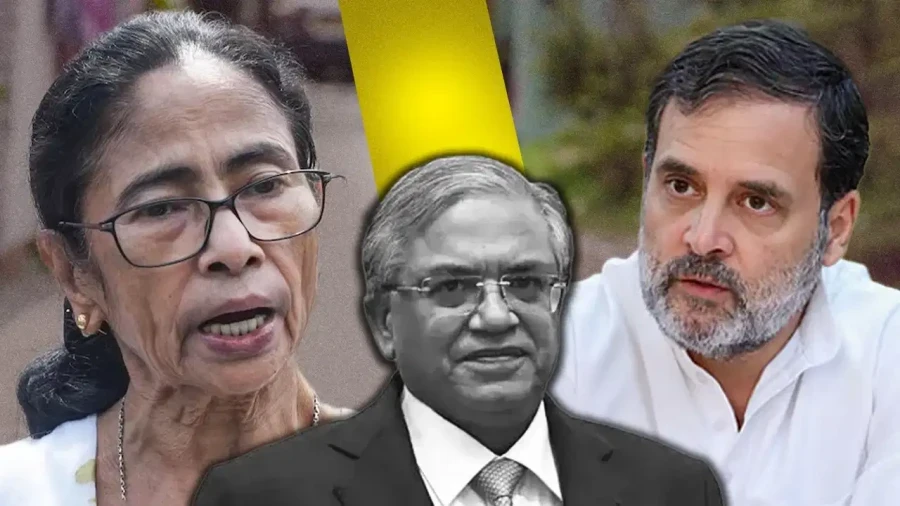
The Bharatiya Janata Party (BJP) has also weighed in on the unfolding crisis, while bJP leader Keya Ghosh pointed out the irony of the situation, noting that the TMC had previously demanded the removal of Gyanesh Kumar and had even gathered signatures in Parliament for that purpose. She remarked that the decision regarding which faction will ultimately receive the party symbol now rests with Gyanesh Kumar. Ghosh further criticized Mamata Banerjee's political style, accusing her of practicing vote and note politics. She alleged that even party councillors are rumored to possess assets worth crores, suggesting a high level of corruption. According to Ghosh, the current struggle isn't just about ideology but also about control over the substantial party funds, a matter that the Election Commission will eventually have to resolve.