
- India,
- 12-Jun-2026 09:10 PM IST



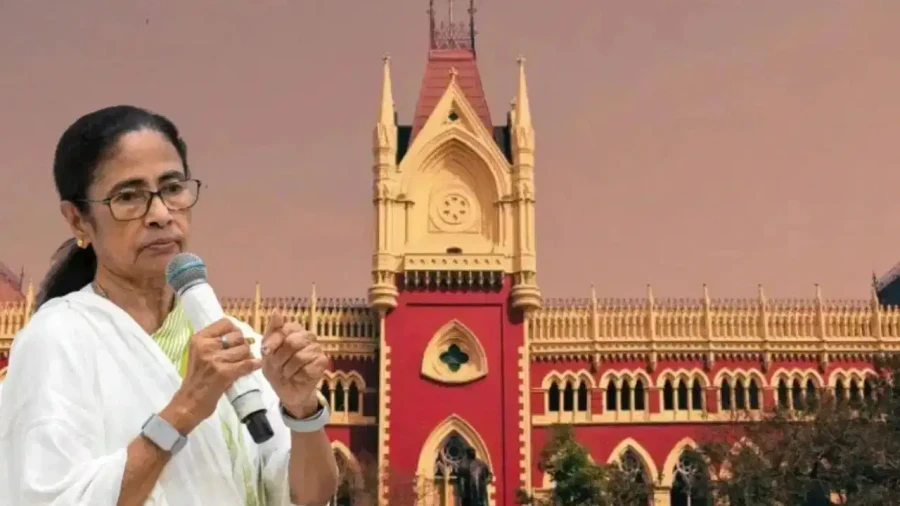
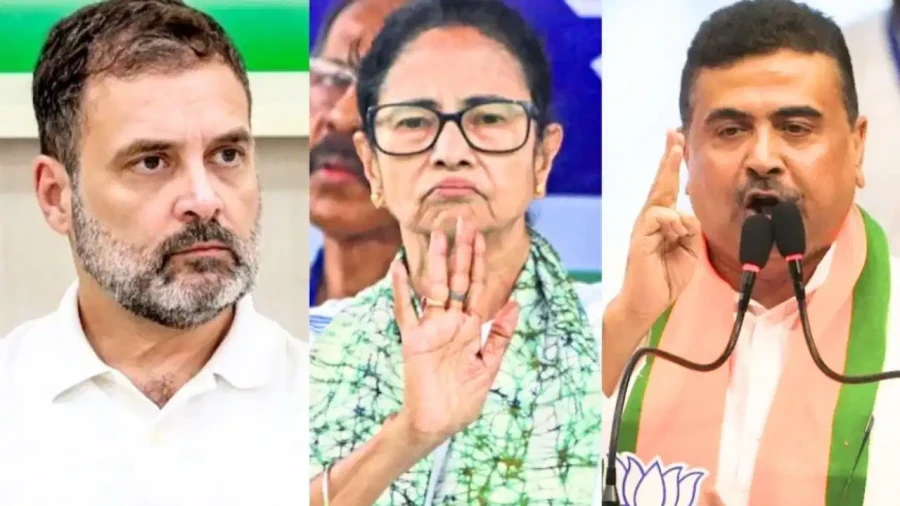
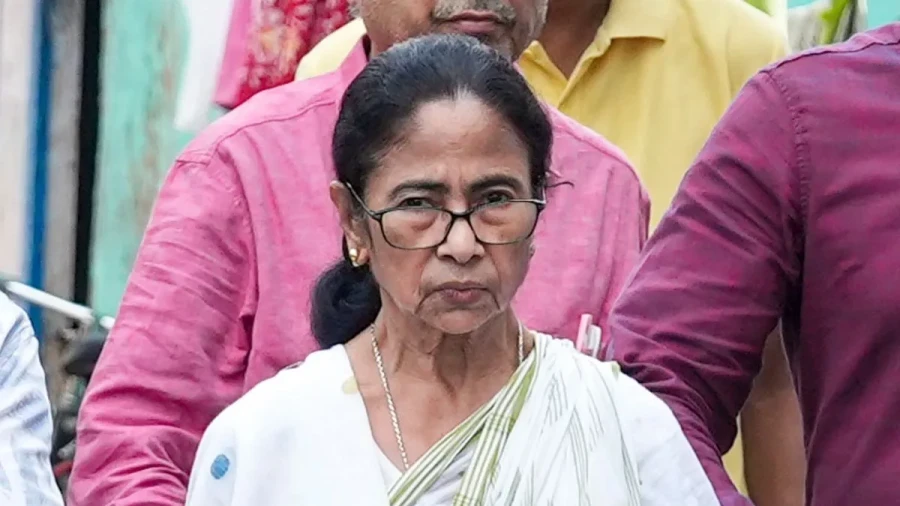
The Trinamool Congress (TMC) is currently navigating through one of its most turbulent phases in history as a massive internal rebellion threatens the very foundation of the party. For any political entity, the greatest danger often arises not from external opposition but from within its own ranks. In West Bengal, this scenario is unfolding rapidly as senior leaders, popular Members of Parliament, film stars, and the most trusted faces of the party have collectively stood up against the leadership of Mamata Banerjee, while this political earthquake is no longer just about internal dissatisfaction; it has escalated into a battle for the party's survival and its future existence in the political landscape of India.
The Scale of Rebellion: MLAs and MPs Join Hands
The crisis began to manifest clearly when 58 out of the 80 MLAs of the Trinamool Congress, led by prominent figures Ritabrata Banerjee and Sandipan Saha, decided to break away and form a separate group. While the party chairperson and former Chief Minister Mamata Banerjee was still grappling with this significant blow, a series of resignations from Rajya Sabha MPs further weakened the party's stance. The situation reached a critical point on Friday when a letter signed by 19 rebel Lok Sabha MPs surfaced. This letter, which was reportedly sent to the Speaker on May 18, formally requests recognition for these 19 MPs as a separate group within the house. If this division receives legal validation, it will fundamentally alter the current structure of the TMC.
The Exit of Trusted Soldiers and Star Faces
What makes this rebellion particularly devastating for Mamata Banerjee isn't just the sheer number of defectors, but the identity of the individuals involved. The list of rebels includes leaders who were once considered the most loyal soldiers of the party. Among the prominent names are cricketer-turned-politician Yusuf Pathan, actress and MP Saayoni Ghosh, and veteran parliamentarians such as Kakoli Ghosh Dastidar, Satabdi Roy, Rachana Banerjee, and Deepak Adhikari, popularly known as Dev. These are the faces that provided the party with its popular appeal and organizational strength. The fact that these leaders, many of whom were personally mentored and promoted by Mamata Banerjee, have chosen a different path indicates a profound loss of confidence in the current leadership.
Internal Conflict: The Mamata vs Abhishek Divide
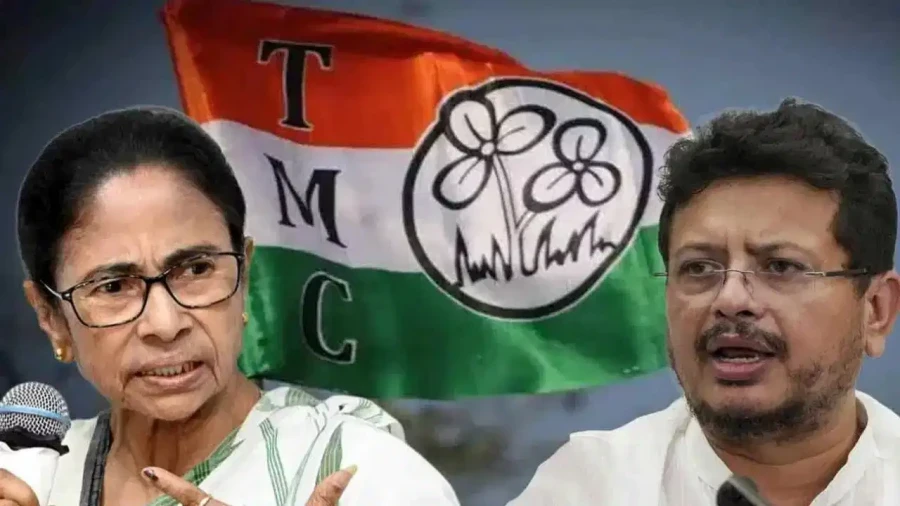
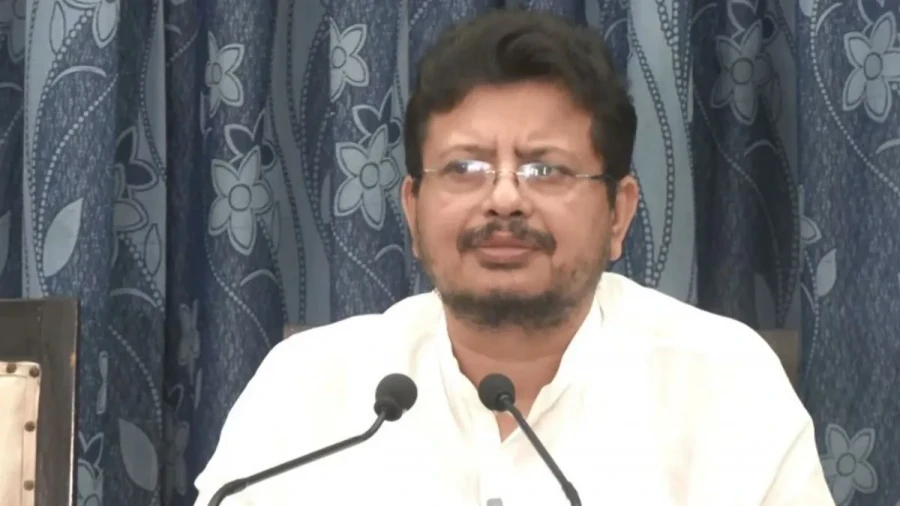
The internal rift has also touched the highest echelons of the party's hierarchy. Kalyan Banerjee, a senior leader who was seen as a staunch supporter of the former Chief Minister, recently issued a stark ultimatum. He stated that Mamata Banerjee must choose between him and her nephew, Abhishek Banerjee. This public display of friction suggests that the circle of trust around the party supremo is shrinking rapidly. For a regional party like the TMC, which has always centered its identity around the charismatic leadership of Mamata Banerjee, such a breakdown in the internal support system is a grave concern.
Legal Implications and the Anti-Defection Law
The future of this rebel group hinges on the legal provisions of the Anti-Defection Law, found in the Tenth Schedule of the Indian Constitution. According to these rules, a breakaway faction can only gain legal protection from disqualification if it comprises at least two-thirds of the party's elected members. In the current scenario, 58 out of 80 MLAs represent more than the required two-thirds majority in the state assembly. Similarly, 19 out of 28 Lok Sabha MPs also meet the two-thirds threshold. This numerical strength suggests that the rebel leaders might successfully avoid disqualification and secure recognition as a separate entity, potentially shifting the balance of power in West Bengal politics.
Conclusion: A Test of Survival
While political parties often face minor dissent, the current situation in the TMC is far from ordinary. When experienced leaders, MPs, MLAs, and popular icons revolt simultaneously, it signals a systemic crisis. This is the ultimate test for Mamata Banerjee's political career. If she manages to contain this crisis, it will be a historic achievement; however, the current momentum suggests that the foundations of the TMC have been deeply shaken, and the path to reconciliation appears increasingly difficult.