
- India,
- 23-Jul-2026 08:36 PM IST



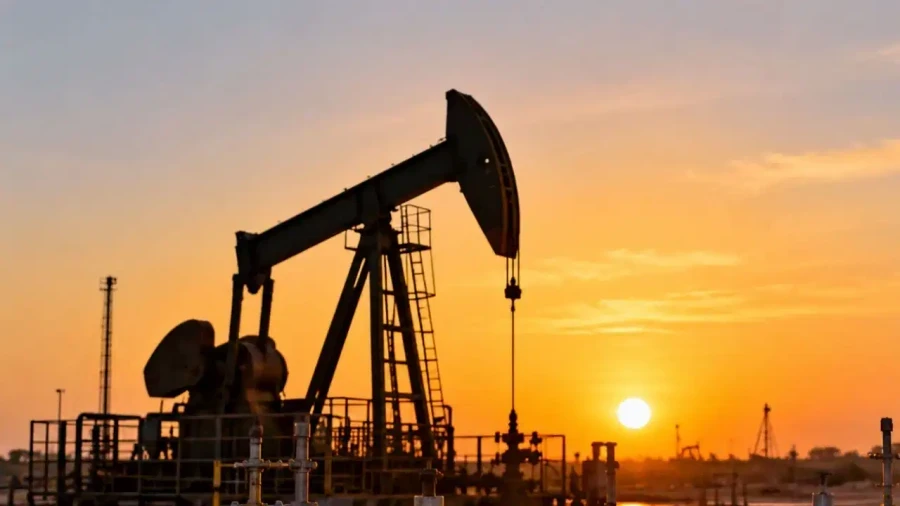
The global energy market is currently witnessing a significant surge as crude oil prices approach the critical threshold of 100 dollars per barrel. This upward trajectory is primarily driven by the intensifying military tensions in the Middle East, a region that serves as the backbone of global oil production. As military conflicts escalate and the possibility of a wider war looms, Brent Crude prices have seen a sharp rise, causing widespread concern among oil-importing nations, including India. Energy market experts are closely monitoring the situation, warning that if the geopolitical environment doesn't stabilize soon, international crude oil prices could easily breach the 100 dollars mark. Such a development would have a direct and profound impact on countries like India, which rely heavily on imports to meet their domestic energy requirements.
The Drivers Behind Rising Oil Prices
The primary catalyst for the current spike in oil prices is the instability in the Middle East. Given that this region is home to some of the world's largest oil producers, any form of military confrontation or geopolitical friction immediately threatens the global supply chain. Recent attacks and the fear of further escalation have created a sense of panic among investors. There is a growing apprehension that if the conflict spreads or if major maritime trade routes are compromised, the global supply of oil could be severely disrupted. This fear of supply chain interruption is the main reason why oil prices are experiencing such rapid gains in the international market. Analysts suggest that the market is currently dominated by a sentiment of fear, leading investors to seek refuge in safer investment options while keeping a close eye on every development in the conflict zone.
Potential Impact on the Indian Economy
India occupies a vulnerable position in this scenario because it imports approximately 85 percent of its total oil requirements. Consequently, any substantial increase in international crude oil prices translates into immediate economic pressure for the country, while if crude oil remains expensive for a prolonged period, it could lead to a significant rise in the costs of petrol, diesel, LPG, and aviation turbine fuel. Beyond the direct cost of fuel, there is a secondary impact on the broader economy. As transportation costs increase due to higher diesel prices, the cost of transporting essential goods and everyday items also rises, leading to retail inflation. Experts believe that if Brent Crude stays around the 100 dollars per barrel mark, it will exert immense pressure on inflation management. Also, a higher oil import bill could adversely affect the government's fiscal health and widen the Current Account Deficit.
Broader Economic and Market Consequences
The ripple effects of rising oil prices extend far beyond the fuel pumps. The stock market is particularly sensitive to energy costs, and sectors such as airlines, logistics, chemicals, and manufacturing are likely to face significant headwinds. Higher energy costs increase the operational expenses for these industries, which can lead to reduced profit margins and volatility in share prices. Also, central banks across the globe may find it increasingly challenging to control inflation if energy-led price hikes become persistent, while market specialists are advising investors to stay vigilant and observe the reactions of oil-producing nations and the evolving situation in the Middle East. While a de-escalation in tensions could lead to a softening of prices, any further deterioration in the geopolitical climate could push crude oil well beyond 100 dollars per barrel, creating a challenging environment for the global economy.