
- India,
- 04-Jul-2026 12:25 PM IST



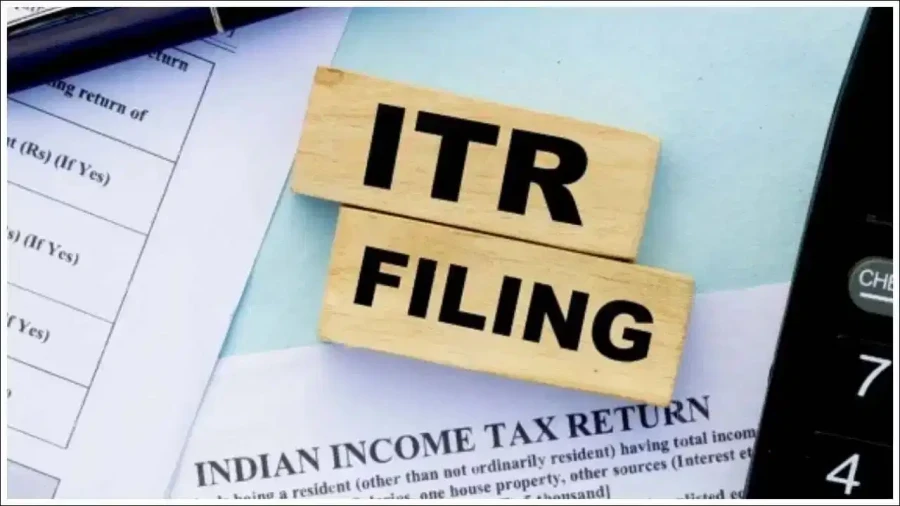
It's a common misunderstanding among many individuals that the requirement to file an Income Tax Return (ITR) is solely dependent on whether their annual income exceeds the basic tax exemption limit. However, the tax laws for the upcoming assessment year 2026 clarify that there are several specific scenarios where filing a return is mandatory, even if your total annual income is below 4 lakh rupees. Being aware of these regulations is essential for every taxpayer to ensure they don't inadvertently violate any rules or face unnecessary inquiries from the tax authorities.
Mandatory Filing Conditions for Low Income Earners
The Income Tax Department has identified certain high-value financial activities that necessitate the filing of a return regardless of the individual's total income. For instance, if you've made significant deposits into one or more of your bank accounts during the financial year, you're required to file an ITR. This rule is designed to track large cash flows and ensure transparency in the financial system. Similarly, if you've spent a considerable amount of money on foreign travel, either for yourself or for someone else, the law mandates that you disclose your financial status through a tax return. Another trigger for mandatory filing is the payment of a high electricity bill, while if your electricity consumption costs exceed a certain threshold set by the department, it's viewed as an indicator of a certain lifestyle that requires the filing of an ITR, even if your reported income is less than 4 lakh rupees.
The Strategic Advantages of Filing ITR
Beyond the legal requirements, there are numerous practical benefits to filing an ITR even when your income isn't taxable. One of the most significant advantages is the ability to claim a refund for Tax Deducted at Source (TDS). Often, banks deduct tax on interest earned from fixed deposits, or employers deduct tax from salaries, while if your total income is below the taxable limit, you can only get this deducted amount back by filing a return. Also, an ITR serves as a strong proof of income. When you apply for financial products such as a home loan, car loan, or personal loan, banks and financial institutions scrutinize your ITR history to assess your creditworthiness and repayment capacity. Without a consistent record of tax returns, securing such loans can become a challenging task.
Visa Applications and Capital Loss Management
For those planning to travel abroad, an ITR is often a mandatory document required for visa applications by many embassies. It acts as a verified record of your financial standing in your home country. Also, filing a return allows you to manage investment losses effectively. If you've incurred a capital loss from the sale of assets like shares or property, you can carry forward these losses to future years only if you've filed your ITR on time. These carried-forward losses can then be adjusted against future capital gains, effectively reducing your tax burden in the years to come. Experts emphasize that maintaining a clean and consistent financial record through regular ITR filing is a sign of a responsible citizen and helps in building a strong financial profile.
Final Steps and Verification
Before you submit your ITR, it's vital to ensure that all the information regarding your income, bank accounts, investments, and TDS is accurate and matches the records available with the department. Choosing the appropriate ITR form based on your source of income is the first step toward a successful filing. Once the return is uploaded, the process isn't complete until it's e-verified. E-verification is a crucial step that confirms the identity of the person filing the return and validates the submission. By following these steps and understanding the underlying rules, you can ensure that your financial dealings remain transparent and you're well-prepared for any future financial requirements.