
- India,
- 19-Jun-2026 08:09 AM IST



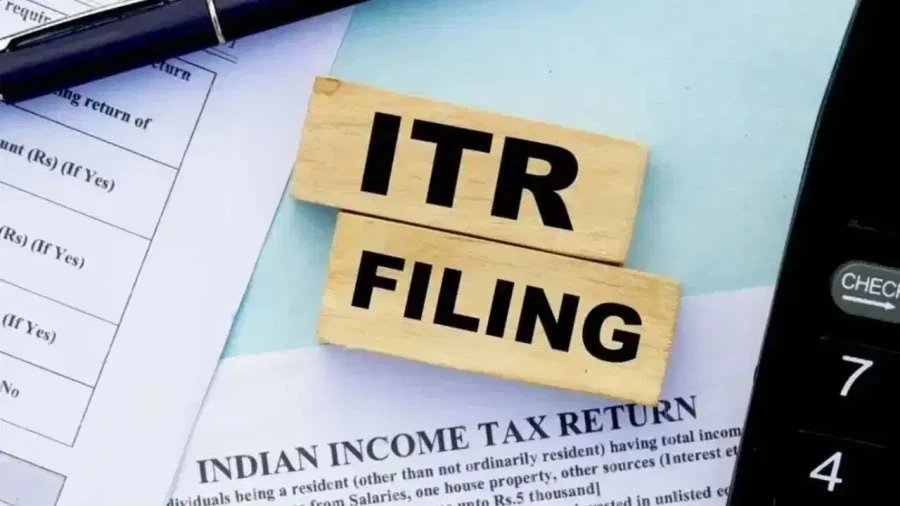
The season for filing Income Tax Returns (ITR) has officially begun, marking a crucial period for taxpayers across the country, while while the process has been streamlined over the years, the risk of receiving a notice from the Income Tax Department remains high for those who approach the filing with haste or a lack of proper information. Experts warn that even a small oversight can lead to the return being flagged, resulting in delayed refunds or the imposition of additional taxes and penalties. For the financial year 2025-26, which corresponds to the assessment year 2026-27, the filing process is already underway, and taxpayers are advised to be meticulous in their submissions.
Deadlines for Different Taxpayer Categories
It's essential for taxpayers to keep track of the deadlines set by the department to avoid late filing fees. For individual taxpayers who are required to file ITR-1 and ITR-2, the final date for submission is July 31, 2026. On the other hand, for those taxpayers who fall under the categories of ITR-3 and ITR-4, the deadline has been set for August 31, 2026. Missing these dates not only attracts penalties but can also complicate the process of carrying forward losses or claiming certain deductions, while That's why, planning the filing well in advance is highly recommended to ensure all documents are in order.
The Risk of Selecting the Wrong ITR Form
One of the most common and significant mistakes taxpayers make is selecting the incorrect ITR form. The Income Tax Department has prescribed different forms based on the nature of the taxpayer's income and their profession, while for instance, ITR-1 is specifically designed for salaried individuals and those with limited income sources. Conversely, ITR-3 is applicable to individuals earning income from a business or a profession. If a taxpayer submits their return using a form that doesn't align with the nature of their income, the department may declare the return as a defective return. In such cases, the taxpayer will receive a notice and will be required to file a corrected return within a specified timeframe.
Clarity on Assessment Year and Personal Details
Confusion between the Financial Year (FY) and the Assessment Year (AY) often leads to errors in the filing process. For the current filing cycle pertaining to the financial year 2025-26, the correct assessment year to be selected is 2026-27. Selecting the wrong year can lead to processing issues and discrepancies in tax records, which may require formal explanations later. Also, accuracy in personal details is paramount. Information such as name, address, mobile number, email ID, PAN number, and date of birth must exactly match the details recorded in the PAN database. Any mismatch can stall the processing of the return. On top of that, for those expecting a refund, providing the correct bank account number and IFSC code is vital, as incorrect details can lead to the refund being stuck or returned.
Full Disclosure of All Income Sources
A frequent error among taxpayers is the failure to disclose income from all sources, often focusing only on their primary salary. The Income Tax Department requires a comprehensive declaration of all earnings, including interest from savings accounts, interest from fixed deposits, rental income, and capital gains from shares or mutual funds. Even if certain types of income are tax-free, they must still be reported in the return. With the department's advanced data integration, any discrepancy between the reported income and the data available with the authorities can trigger an immediate notice. That's why, cross-referencing all financial statements before filing is a necessary step.
Adherence to Formatting and Final Verification
The ITR form requires information to be entered in specific formats, and failing to do so can result in technical errors. For example, dates must always be entered in the DD/MM/YYYY format. Similarly, bank details and income figures must be entered precisely as per the instructions provided in the columns. Before the final submission, it's highly beneficial to conduct a thorough review of all the entered data. Ensuring that every column is filled according to the guidelines will help in the smooth processing of the return and minimize the chances of any future legal or financial complications with the tax authorities.