
- India,
- 09-Jul-2026 08:11 AM IST



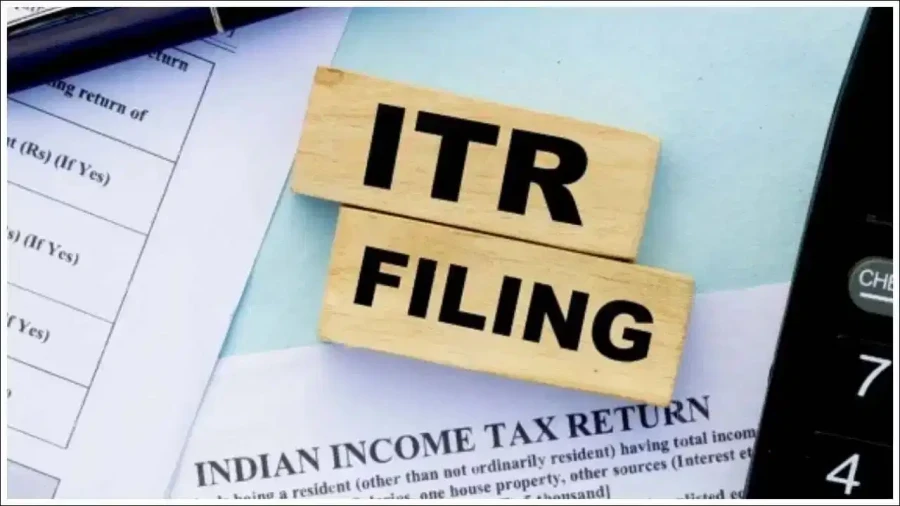
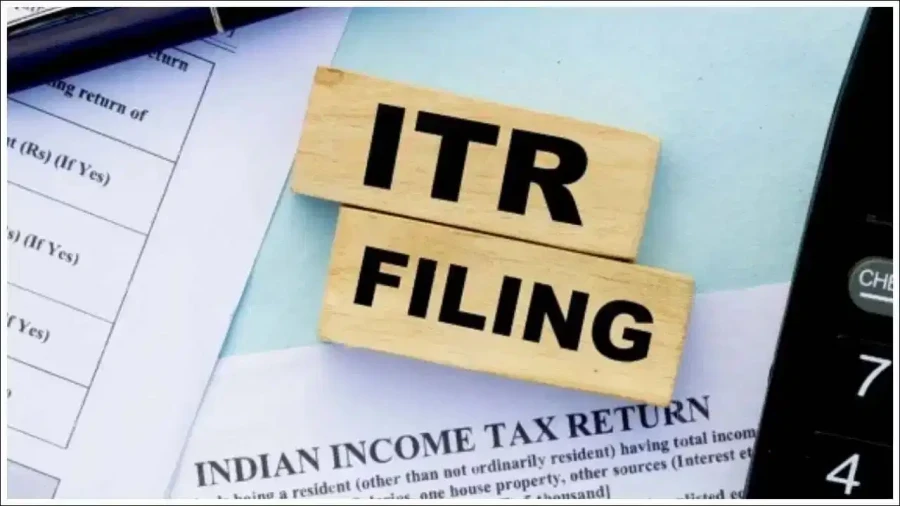
Filing an Income Tax Return (ITR) is a mandatory annual responsibility for every taxpayer, but it's often fraught with complexities that can lead to unintentional errors. A small mistake during the filing process can result in significant consequences, including receiving an income tax notice, facing delays in tax refunds, and incurring heavy penalties. To ensure a smooth and error-free submission, it's essential to understand the common pitfalls that taxpayers often encounter. If you don't file your ITR on time and correctly, you may face various difficulties such as additional tax liabilities and legal notices from the department. Many people unknowingly make mistakes that lead to complications later on.
1. Claiming Incorrect Deductions or Exemptions
In recent times, the Income Tax Department has increased the issuance of notices regarding incorrect deduction or exemption claims. The department now utilizes sophisticated Artificial Intelligence (AI) and advanced data analytics to scrutinize every claim made by a taxpayer. Showing deductions under the wrong sections, claiming exemptions without valid proof, or providing misleading information can immediately trigger a notice from the department. It's crucial to ensure that every claim is backed by proper documentation.
2. Selecting the Wrong ITR Form
Choosing the correct ITR form is fundamental to the filing process. For instance, ITR-1 is designed for salaried individuals with a total income of up to 50 lakh rupees and no capital gains. On the other hand, ITR-3 is meant for individuals having income from a business or profession. Filing the wrong form can lead to the department marking the return as defective and issuing a defect notice, which requires the taxpayer to refile the return correctly.
3. Filling the Wrong Assessment Year (AY)
A common point of confusion is the difference between the Financial Year (FY) and the Assessment Year (AY). For the Financial Year 2025-26, the correct Assessment Year is 2026-27. Filling in the wrong Assessment Year can lead to tax-related complications and may even result in penalties, as the tax calculations and rules vary from year to year.
4. Entering Incorrect Personal Information
It's vital to ensure that personal details such as name, address, mobile number, email, PAN, and date of birth are entered exactly as they appear in the PAN records. Also, if you're expecting a tax refund, the bank account number and IFSC code must be entered correctly. Any discrepancy in these details can cause the refund to get stuck in the system.
5. Not Disclosing All Sources of Income
Taxpayers must report income from all sources, not just their primary salary. This includes interest from savings accounts, interest from Fixed Deposits (FD), rental income, dividends, capital gains, and any other miscellaneous income. Even if certain income is tax-free, it's mandatory to disclose it in the return to maintain transparency with the department.
6. Entering Information in the Wrong Format
The ITR forms require information to be entered in specific formats. For example, dates must be entered in the DD/MM/YYYY format, while using an incorrect format can lead to errors in the return processing and may cause the system to reject the filing.
7. Not Matching with Form 26AS
Before filing the ITR, it's essential to reconcile your details with Form 26AS and Form 16. Form 26AS is a consolidated tax statement that shows the tax deducted at source (TDS). If the TDS information doesn't appear in Form 26AS, you won't receive the tax credit for it, which could lead to a higher tax liability.
8. Ignoring AIS and TIS
The Annual Information Statement (AIS) and Taxpayer Information Summary (TIS) contain comprehensive details of your income, investments, and other financial transactions. It's mandatory to cross-check these statements before filing your ITR to ensure that all financial activities are accurately reflected in your return.
9. Not Using Form 16 from Multiple Employers Correctly
If you've changed jobs during the financial year and received Form 16 from two different companies, you must combine the salary details from both employers and report the total income in your ITR. Failing to do so will result in an underreporting of income.
10. Not Claiming HRA
Even if you didn't submit rent receipts to your employer, you can still claim House Rent Allowance (HRA) exemptions while filing your ITR. However, you may need the PAN of your landlord to make this claim if the rent amount exceeds certain limits.
11. Not Taking Advantage of Available Tax Deductions
The Income Tax Act provides various tax exemptions and deductions. Due to a lack of awareness, many taxpayers fail to take advantage of these benefits, resulting in higher tax payments. It's important to review all applicable sections to minimize tax liability legally.
12. Not Paying Advance Tax
If your tax liability exceeds a certain threshold, you're required to pay advance tax in installments throughout the year. Delaying or underpaying advance tax can lead to interest charges at a rate of 1 percent per month.
13. Delaying E-Verification of ITR
After filing the ITR, it's mandatory to e-verify it within 30 days. This can be done via Net Banking, Aadhaar OTP, or EVC, while if e-verification isn't completed, the ITR is considered invalid. Alternatively, one must sign the ITR-V and send it to the CPC within the stipulated time.
14. Not Providing Schedule AL Information
If your total income exceeds 1 crore rupees, it's mandatory to fill out Schedule AL. This section requires you to disclose details of your assets and their associated liabilities.
15. Hiding Foreign Assets
If you're a Resident and Ordinarily Resident (ROR) in India and hold foreign bank accounts, shares, mutual funds, ESOPs, or other assets abroad, you must disclose them in Schedule FA. This disclosure is mandatory regardless of whether the income from these assets is taxable in India.