
- India,
- 08-Jul-2026 04:22 PM IST



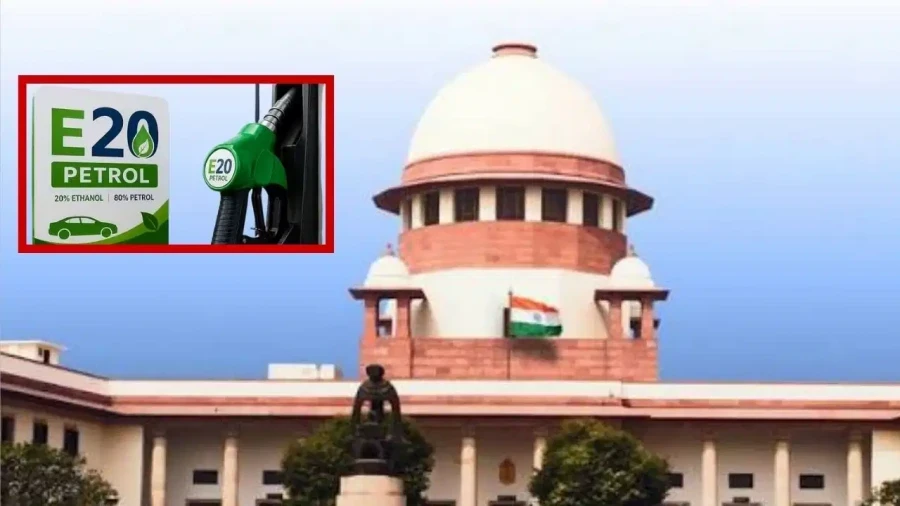
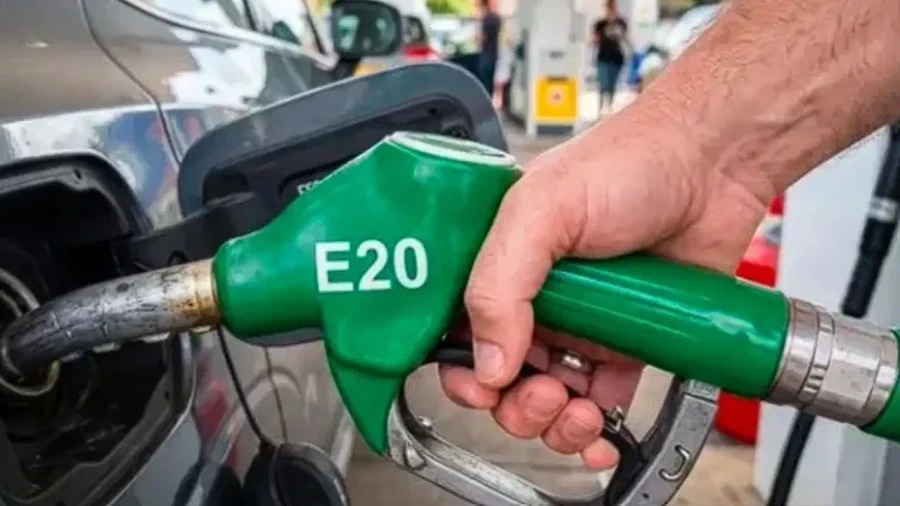
The current situation for vehicle owners in India has become increasingly difficult due to the ongoing conflict between vehicle manufacturers and oil marketing companies regarding E-20 petrol. Professor Bejon Misra, a prominent consumer affairs expert, has highlighted that the consumer is currently in a very precarious position. He has urged the government to take immediate steps to address the confusion surrounding ethanol-blended fuel and its impact on vehicles, while the core of the issue lies in the fact that when questions are raised about vehicles malfunctioning on E-20 petrol, manufacturers often point towards fuel adulteration as the primary cause. However, consumers are left without clear answers as to where this adulteration is occurring, especially since oil companies claim to use advanced digital technology for real-time monitoring of petrol pumps.
The Adulteration Debate and Lack of Transparency
Consumer affairs experts argue that if both the government and vehicle manufacturers have given the green light to E-20 petrol but still claim that fuel is being adulterated, the only logical place for such activity would be the petrol pumps. If oil companies deny any possibility of tampering at their outlets, it would imply the absurd conclusion that consumers are adulterating the fuel themselves and damaging their own vehicles. Satyam Singh, a lawyer specializing in consumer affairs at the Supreme Court, noted that until a few years ago, an annual report was published detailing instances of adulteration and service deficiencies at petrol pumps. This practice has since been discontinued, replaced by oil companies with real-time monitoring, GPS tracking of tankers, online automation, and surprise inspections. While these measures allow oil companies to claim that adulteration is impossible, vehicle manufacturers have issued clarifications stating they won't be held responsible if a vehicle is damaged by adulterated fuel.
Technical Concerns and the ARAI Report
The government maintains that E-20 petrol doesn't adversely affect vehicle engines or components. However, an unpublished report from the Automotive Research Association of India (ARAI) suggests otherwise. The report indicates that if a vehicle isn't specifically E-20 compatible, certain plastic and rubber components within the fuel system could be negatively impacted. This contradiction places the consumer in a bind. Professor Bejon Misra emphasized that the reality must be brought to light. He stated that if adulteration is indeed happening in E-20 petrol, it's a grave matter. Oil companies should have clarified their stance the moment manufacturers began blaming fuel quality for vehicle failures. He questioned whether a consumer is expected to test the fuel for purity every time they visit a petrol pump or if they must approach consumer forums and courts for every single grievance.
How Petrol Pumps are Monitored
To ensure fuel quality and prevent theft, oil companies have implemented several high-tech systems. GPS tracking is installed in tankers transporting fuel to prevent any unauthorized stops or tampering during transit. Plus, petrol pump storage tanks are linked to online automation systems that provide real-time data on fuel volume and stock levels, making any discrepancies immediately visible. The Quality Assurance Cell (QAC) and mobile laboratories also conduct random sampling and testing at petrol pumps across the country, while On top of that, the density of the fuel must be displayed at every petrol pump to ensure transparency for the customers. Supreme Court lawyer Anupam Misra has called this a serious issue, stating that the government must take immediate action to clear all confusion and rectify any existing loopholes in the system.
Consumer Rights and Testing Procedures
If a customer suspects that the petrol they're purchasing is adulterated or contains water, they've specific legal rights to conduct on-the-spot tests. One of the primary tools available is the Filter Paper Test. Every petrol pump is required to provide filter paper free of charge upon request, allowing the customer to check the purity of the petrol instantly. Another method is the Density Test, which involves using a hydrometer and thermometer, both of which must be available at the pump, to verify the official density of the fuel. If any irregularities are found during these tests, consumers can file a complaint with the state's Food and Civil Supplies Department or through the portal of the respective oil company. Upon receiving such complaints, the authorities have the power to seal the pump and conduct a thorough investigation to protect consumer interests.