
- India,
- 16-Jul-2026 10:30 PM IST



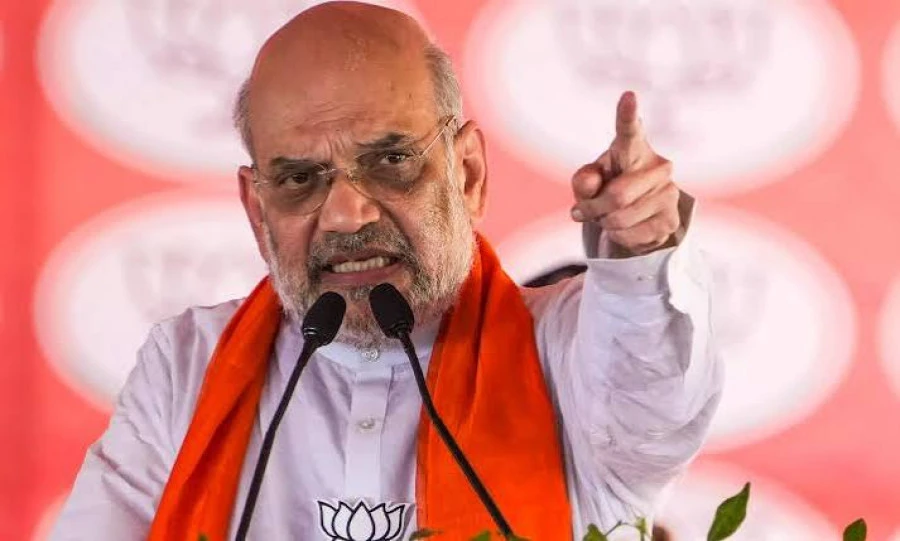
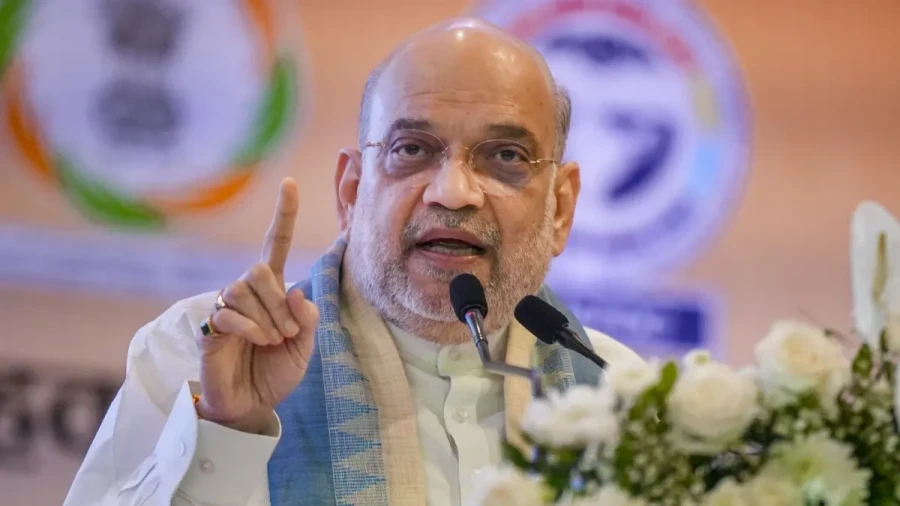
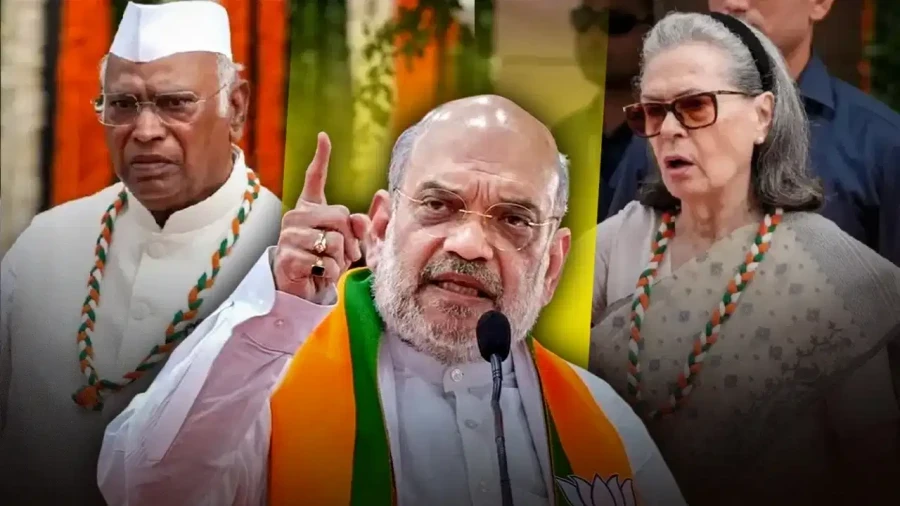
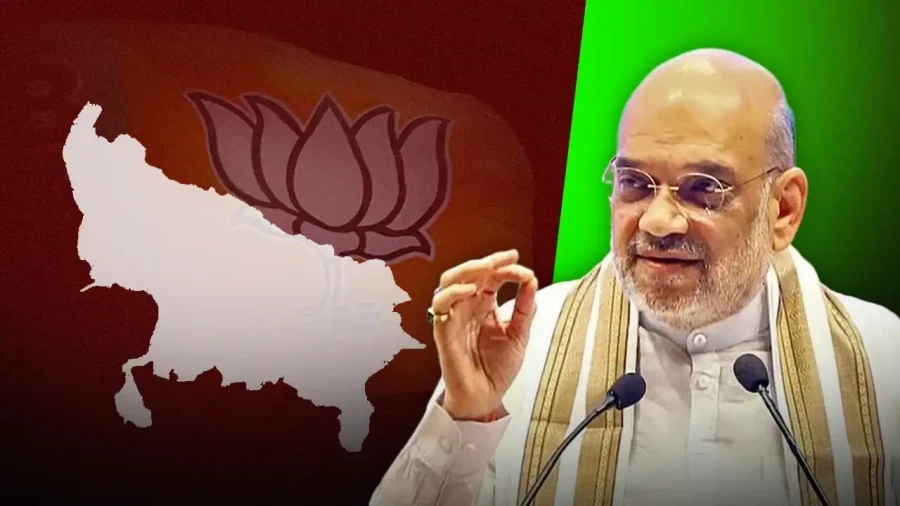
The countdown for the 2027 electoral battle in Uttar Pradesh has officially begun with the Bharatiya Janata Party (BJP) unveiling its strategic blueprint titled Mission 2027. Union Home Minister Amit Shah, often regarded as the architect of the party's previous victories in the state, is set to lead this campaign. In the coming days, Shah will blow the election bugle starting from the Braj and Bundelkhand regions. His strategy is clear: the biggest criterion for distributing tickets this time will be the absolute guarantee of victory. Shah is scheduled to visit all 6 organizational regions of the state to personally oversee the preparations and finalize the roadmap for the upcoming assembly polls.
The Statistical Challenge and 2022 Performance
The BJP is currently analyzing the electoral mathematics of all 403 seats in Uttar Pradesh. Looking back at the 2022 assembly elections, the BJP contested 376 seats and managed to win 255 of them. This means the party faced defeat on 121 seats, although the overall BJP-led alliance secured a total of 273 seats. A critical point of focus for the party is the 49 seats where the margin of victory or defeat was less than 5000 votes. The party leadership believes that on such seats, the outcome can be flipped in their favor by improving organizational strength, booth management, and candidate selection. Despite the setbacks in the 2024 Lok Sabha elections, the BJP remains confident about its prospects in 2027.
Categorization of 403 Assembly Seats
To streamline its strategy, the BJP has divided all assembly seats into four distinct categories. Category A includes those seats where the BJP has been winning consistently for the last three elections, while category B consists of seats where the party won but by a narrow margin. Category C includes seats where the party has been losing consecutively for the last two times by small margins. Finally, Category D is reserved for the most difficult seats, which are considered traditional strongholds of the Samajwadi Party and Congress. Each category will have a tailored strategy, a specific organizational structure, and a carefully chosen electoral face to maximize the chances of success.
Special Focus on 61 Unconquered Seats
A significant part of Mission 2027 involves a special focus on 61 specific seats. These are the constituencies where the BJP has failed to register a single victory in the last three assembly elections held in 2012, 2017, and 2022. For these seats, the party is conducting fresh surveys to understand booth-level feedback, caste equations, and beneficiary outreach. Potential candidates are being evaluated through a rigorous process to break the losing streak. Amit Shah, who has been the Chanakya of UP victories in the past, is personally monitoring the data to ensure that the third consecutive victory for the BJP in the state becomes a reality.
Scrutiny of Veteran Leaders and Ticket Distribution
The party has started a massive brainstorming session regarding ticket distribution. Sources indicate that the complete electoral records of leaders who have contested three or more elections are being scrutinized. The evaluation includes their performance at their own booths, their margin of defeat or victory in previous polls, and their hold over the local organization. The message from the top leadership is loud and clear: being a veteran face is no longer a guarantee for a ticket. If the probability of winning is found to be weak, the party won't hesitate to replace the candidate with a new face.
The Ram Mandir Controversy and Opposition Strategy
The BJP faces a significant challenge in the form of the alleged theft of donations at the Ayodhya Ram Mandir. This controversy has led to investigations, arrests, and major organizational changes within the Trust, including the creation of a CEO post. Since the Ram Mandir is central to the BJP's ideological identity, this issue poses both an emotional and political challenge ahead of 2027. On the other hand, Samajwadi Party chief Akhilesh Yadav is preparing for a Rath Yatra to connect with the public. The SP plans to use the donation theft issue as a mark of failure for the Yogi government, while also focusing on its PDA (Pichda, Dalit, Alpsankhyak) strategy, while meanwhile, the Congress has also intensified its preparations in the region, making the 2027 battle a multi-cornered and high-stakes operation.