
- India,
- 10-Sep-2026 03:03 PM IST



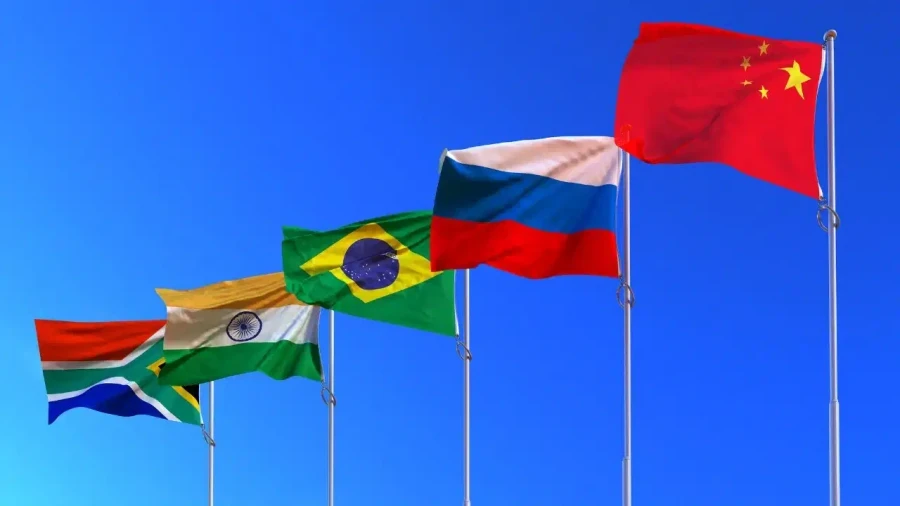
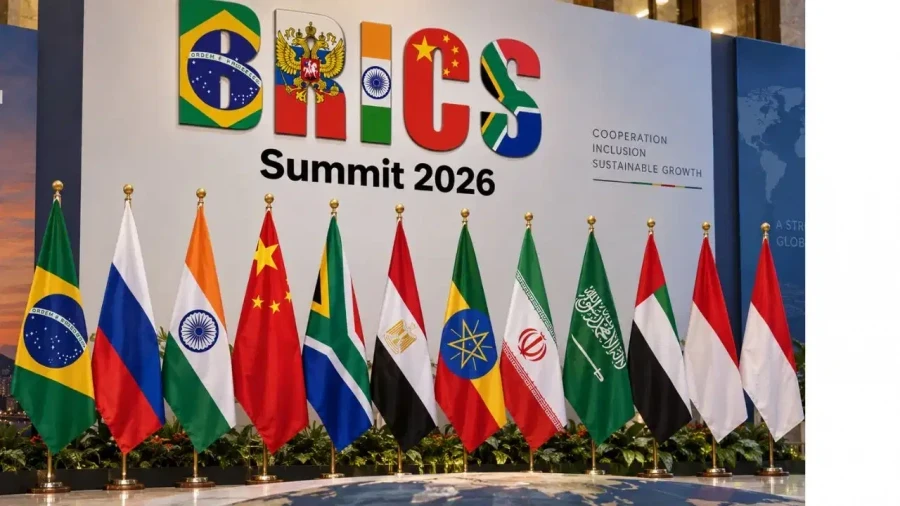
New Delhi is preparing to host a monumental diplomatic event as the BRICS group gathers for its 20th anniversary summit on September 12 and 13. This summit isn't merely a routine meeting but represents a significant shift in the global economic order. Originally founded by Brazil, Russia, India, and China, the group has now expanded into a powerful 11 member bloc. With the inclusion of Egypt, Ethiopia, Iran, Saudi Arabia, and the United Arab Emirates, and the most recent addition of Indonesia, BRICS now represents nearly half of the world's population and a substantial portion of its economic output.
The Strategic Expansion and Global Influence
The expansion of BRICS has transformed it into a formidable force in international relations. India has consistently viewed BRICS as a platform to amplify the voice of the Global South and developing nations. However, the current geopolitical climate presents unique challenges for New Delhi. Balancing the interests of 11 diverse nations, managing internal differences, and navigating global tensions will require sophisticated diplomacy. The group now includes some of the world's largest oil and gas producers alongside the fastest-growing manufacturing economies, making it a central player in global supply chains and technological advancement.
Economic Roadmap and Action Plan 2026-30
A primary objective for the New Delhi summit is to enhance intra-BRICS trade. India is spearheading efforts to reduce transaction costs and simplify customs procedures to facilitate smoother economic exchange. A comprehensive action plan for the period 2026-30 is being developed to provide a clear roadmap for cooperation. This plan aims to strengthen investment ties and build resilient supply chains among member states, ensuring that the bloc remains a stable pillar of the global economy despite external volatility.
The Diplomatic Triangle: India, China, and Russia
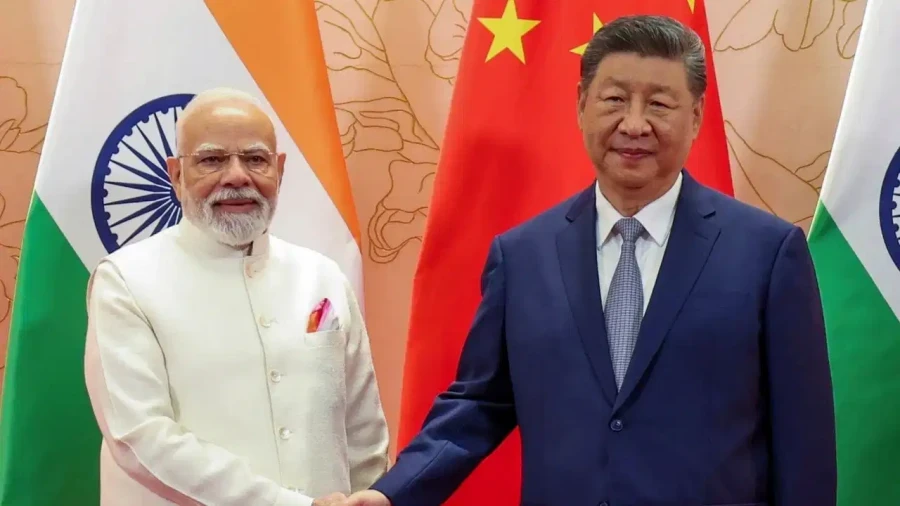
The summit provides a critical strategic opportunity for India to engage with major powers. Following the Shanghai Cooperation Organisation meetings, the leaders of India, China, and Russia will once again share a platform. The interactions between Prime Minister Narendra Modi, Chinese President Xi Jinping, and Russian President Vladimir Putin will be closely watched by the international community. For India, maintaining a diplomatic balance is essential, while while the border dispute with China remains a complex issue, Russia continues to be a vital partner in the energy and defense sectors. BRICS serves as a venue where India can manage these strategic partnerships effectively, even if it doesn't immediately resolve bilateral disputes.
Currency Strategy and the Role of the Dollar
One of the most anticipated topics of discussion is the reduction of dependency on the US dollar. India's approach to this issue is cautious and pragmatic, while new Delhi has clarified that its goal is to make cross-border payments cheaper and more efficient rather than leading an anti-dollar campaign. Commerce Minister Piyush Goyal has explicitly stated that India isn't in favor of a common BRICS currency. Instead, the focus is on promoting trade in local currencies and improving payment systems. The Reserve Bank of India has also proposed linking the digital currencies of BRICS nations to facilitate smooth cross-border transactions.
Energy Security: A Common Ground
Despite the diversity of the group, energy security remains a unifying factor. The expanded BRICS now includes major energy exporters like Saudi Arabia, the UAE, Iran, and Russia, as well as the world's largest energy consumers, India and China. India's focus is on ensuring energy security, adopting new technologies, and promoting sustainability. While producer nations seek stable markets, consumer nations require affordable energy. This synergy creates a strong foundation for concrete agreements on energy cooperation during the summit.