
- India,
- 09-Sep-2026 09:28 PM IST



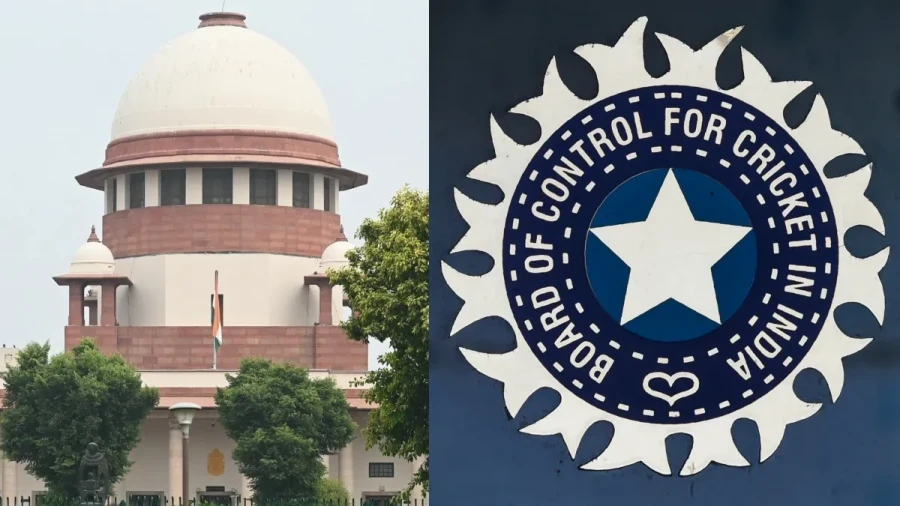
The Supreme Court of India has raised a significant question regarding the administration of cricket in the country, asking the Board of Control for Cricket in India (BCCI) and various state cricket associations why they shouldn't be brought under the ambit of the National Sports Governance Act 2025. This development marks another chapter in the long-running legal discourse surrounding the governance and transparency of the world's richest cricket board.
The Supreme Court's Inquiry
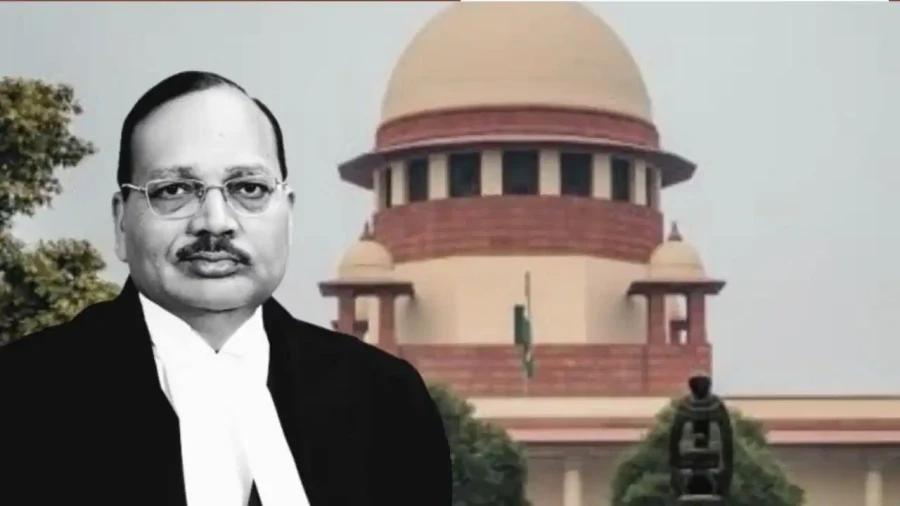
A bench headed by Chief Justice Surya Kant, which also included Justice Joymalya Bagchi and Justice V. Mohana, posed this critical question during a hearing on September 9. The court was addressing matters related to the BCCI and state cricket units when it turned its attention to the newly implemented National Sports Governance Act 2025. The bench specifically asked the legal representatives of the BCCI and the state associations to seek clear instructions on why these entities should remain exempt from the provisions of the new Act.
The inquiry specifically focused on the service conditions of the office bearers within the BCCI and its affiliated state units, while according to reports from PTI, the court has directed the lawyers representing these cricket bodies to provide a formal stance on whether the terms of service for their officials should align with the standards set by the National Sports Governance Act 2025. This move indicates the court's intent to explore a more unified governance structure for all sports bodies in India, including cricket.
Historical Context of the Case
The legal battle concerning the administration of the BCCI isn't a recent phenomenon. The current proceedings are linked to a petition that was originally filed in the Supreme Court in 2014. Over the past decade, numerous applications and petitions have been submitted to the court, each seeking various reforms or clarifications regarding how cricket is managed in India. The judiciary has played a pivotal role in shaping the modern structure of the BCCI, most notably through the intervention of the Lodha Committee.
The Supreme Court had previously constituted a committee under the chairmanship of former Chief Justice RM Lodha. The primary mandate of the Lodha Committee was to recommend measures to improve the functioning and structural integrity of the BCCI. Plus, the committee was tasked with drafting a comprehensive constitution for the board to ensure greater accountability and transparency in its operations, while the Supreme Court eventually accepted several key recommendations from the committee, which led to a massive overhaul of the BCCI's administrative framework.
The 2022 Constitutional Amendment and Cooling-off Period
In a significant ruling in September 2022, the Supreme Court granted approval for certain amendments to the BCCI constitution. One of the most discussed aspects of these amendments was the regulation concerning the tenure of office bearers and the mandatory cooling-off period. Under the revised rules, an individual can serve as an office bearer for a total of 12 years consecutively before being required to take a break. This 12 year period is divided into 6 years at the state cricket association level followed by 6 years at the BCCI level.
According to the current regulations, an official is permitted to complete two consecutive terms at both the state and national levels. Once this 12 year cycle is completed, the individual must undergo a mandatory cooling-off period of 3 years. During this break, they're prohibited from holding any administrative position within the cricket governance structure. The Supreme Court's recent question about the National Sports Governance Act 2025 suggests that the court is now evaluating whether these existing tenure rules should be further harmonized with the broader national legislation governing sports in India.
Implications for Cricket Administration
The court's demand for an explanation from the BCCI and state associations carries heavy implications. If the National Sports Governance Act 2025 is applied to cricket, it could lead to further changes in how officials are elected, their eligibility criteria, and the overall transparency of financial and administrative decisions. The bench has made it clear that the legal representatives must return with specific instructions on this matter, as the court seeks to determine if the special status currently enjoyed by cricket bodies is still justified under the new legislative landscape of 2025.