
- India,
- 09-Sep-2026 08:01 PM IST



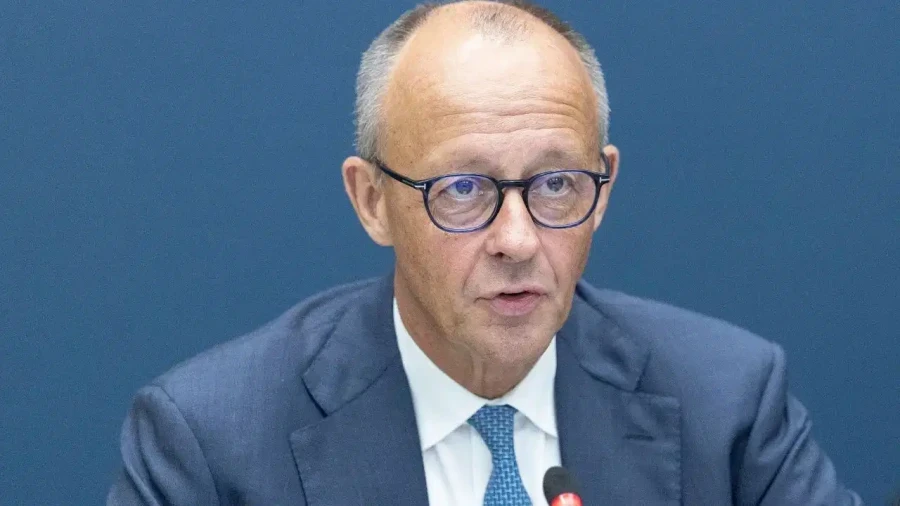
German Chancellor Friedrich Merz has officially cancelled a scheduled phone call with United States President Donald Trump, marking a significant moment in international diplomatic relations. This decision to decline the conversation came just hours after Trump published a controversial post on social media regarding Germany's internal political landscape. The tension arose following Trump's public celebration of the regional election victory of the Alternative for Germany (AfD), a right-wing political party. Trump's praise for the party's performance has seemingly triggered a diplomatic standoff, leading to the abrupt cancellation of the planned communication between the two leaders.
The Social Media Post That Sparked Controversy
The friction began when Donald Trump took to his Truth Social account to comment on the German regional elections. In his post, Trump described the AfD's victory as a very big night for the party. He didn't stop at mere congratulations but went on to launch a scathing critique of Germany's current immigration framework. Trump stated that the people are tired of extremely bad immigration rules and laws, suggesting a deep dissatisfaction within the German electorate. To conclude his message, he used the acronym MGGA, which is widely interpreted as Make Germany Great Again, mirroring his own political slogan. This commentary was seen as a direct endorsement of a party that represents a significant shift toward right-wing politics in Germany.
Official Response and Cancellation Details
Following the social media activity, the office of Chancellor Friedrich Merz moved to cancel the scheduled call. According to reports from AFP, a spokesperson for Merz confirmed the cancellation but declined to provide a specific, direct reason for the move. However, the spokesperson was clear in addressing certain speculations, stating that the decision wasn't the result of a lack of time or any scheduling conflicts. While the spokesperson didn't explicitly link the cancellation to Trump's Truth Social post, the timing of the two events has led to widespread analysis regarding their connection. The German administration has remained tight-lipped about the specific dialogue that led to this decision, yet the implications are being closely watched by political analysts.
Objections to Foreign Interference in Domestic Politics
A key element in this diplomatic friction is the principle of non-interference, while the spokesperson for Chancellor Merz highlighted that the Chancellor generally holds a strong objection to foreign leaders intervening or commenting on the domestic political situations of other countries, particularly concerning election outcomes. This stance suggests that Trump's public support for the AfD was viewed as an inappropriate intrusion into German internal affairs. By cancelling the call, Merz appears to be sending a signal that Germany's political processes should remain free from external influence or endorsements from foreign heads of state. This development highlights a growing sensitivity within the German government regarding how international figures engage with its domestic political shifts.
Impact on Germany-US Diplomatic Relations
The cancellation of this high-level phone call comes at a critical juncture for Germany-US relations. Both nations are currently engaged in ongoing discussions regarding several vital issues, including international trade, security alliances, and the broader political stability of Europe. Trump's comments regarding the AfD indicate a keen interest in Germany's domestic political trends, while Merz's reaction underscores a firm boundary against such involvement. As the AfD continues to show strength in regional elections, the way international leaders interact with various German political factions is becoming a sensitive topic, while this incident serves as a reminder of the complexities involved in maintaining diplomatic decorum while navigating the rise of right-wing movements across the globe.